







Top-rated deck maintenance specialists.

Get matched with top deck maintenance specialists in Crowder, MS

Enter your zip and get matched with up to 5 pros

Need a pro for your deck maintenance project in Crowder, MS?

Select your specific project to find the pro for you.

Find Deck maintenance specialists in Crowder

Showing 1-10 of 34
Deck Maintenance questions, answered by experts

Liquid rubber is great for waterproofing, but it can damage your deck if it’s not applied correctly. First, it can trap moisture in the wood if the deck isn’t completely dry before application.  Second, applying it too thickly can create a heavy, rubbery surface layer that peels and cracks under fluctuating temperatures. For the best results, ensure the wood is completely dry before application, and apply the liquid rubber in thin, even coats. A quick inspection every now and then will help you catch any issues early, keeping your deck protected and looking its best.

Local building codes don’t specify the number of steps a deck can have before a railing is required, mainly because stair height varies widely. Most areas require decks 30 inches or higher to have a railing. While not exact, that roughly equates to four to seven steps.

Yes, deck footings typically require an inspection before laying down concrete. While not all local building codes require footing inspection, proper placement ensures a safe and structurally sound deck. An inspector will verify that the deck can adequately hold what you put on top of it., and that the footings have been dug to the correct dimensions.

Pressure-treated lumber is one of the most affordable types of decking upfront. This material is widely available, so you can usually find pressure-treated lumber at almost any local home improvement store you visit. Keep in mind that wood requires a lot of upkeep with repainting and restaining, so any kind of wood may be more expensive in the long run than something like PVC decking.

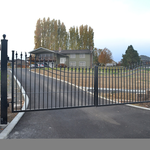
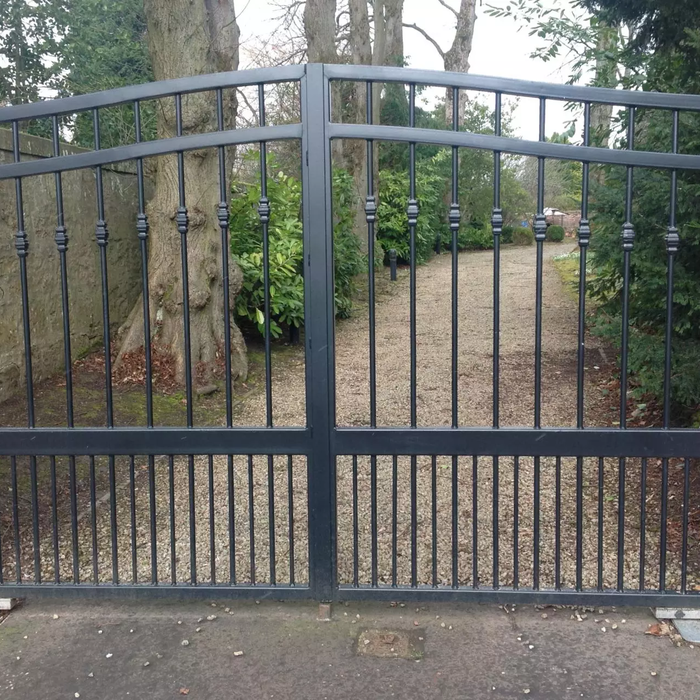
The best direction for a gate to swing depends on its location and purpose, but swinging inward is the general rule. An inward swing is often considered safer, prevents the gate from opening into public spaces like a sidewalk, and may be required by local building codes.

There are exceptions and specific considerations. If your property is on a slope, an inward swing might not be possible. For a deck gate, it's safest to have it swing away from any steps. In a backyard, the direction can be a matter of preference, though an inward swing can be helpful when carrying heavy items like a wheelbarrow into a garden.

Regardless of direction, ensure the gate can open fully without hitting any objects or blocking spaces. While an inward swing is standard, a gate that can swing both in and out offers the most flexibility if your setup allows for it.

The Crowder, MS homeowners’ guide to deck maintenance services

From average costs to expert advice, get all the answers you need to get your job done.