



Top-rated generator install pros.

Get matched with top generator install pros in Ashland, MS

Enter your zip and get matched with up to 5 pros

Need a pro for your generator install project in Ashland, MS?

Select your specific project to find the pro for you.

Find Generator install pros in Ashland

Generx Generators
New to Angi
Fixed Generator - Install

Serving Ashland, MS and surrounding areas

Approved

In business since 2003

Free estimates

Credit card accepted

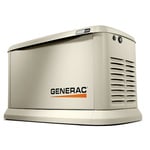
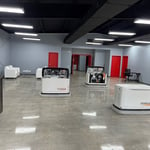
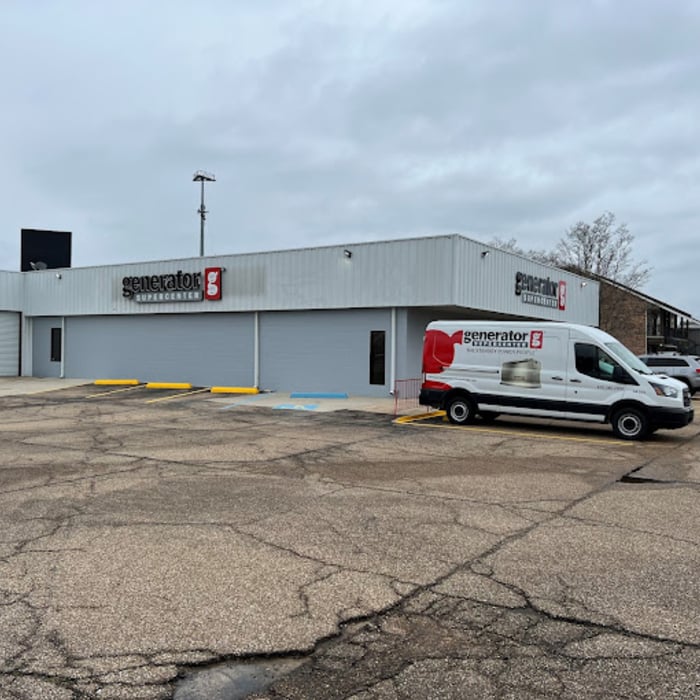
GenerX provides residential homeowners and businesses with all their standby electric power solutions. We sell, install, service, and maintain Generac generators. We are a certified Generac Premier Dealer. In order to meet this qualification, Generac requires that you have a large inventory of new generators and parts, employ at least eight factory trained technicians, and maintain a minimum customer satisfaction rate of 92%. GenerX exceeds all of Generac's criteria and has received an abundance of Generac awards for sales, service, and installation.

D'Sean T
New to Angi
Portable Generator - Repair

Serving Ashland, MS and surrounding areas

Approved

I’m a licensed electrician who takes pride in doing honest, reliable work. I handle everything from small repairs and troubleshooting to lighting installs, panel upgrades, and general electrical maintenance. I pay attention to the details, make safety a priority, and treat every home or job site with respect.\n\nI’m currently looking to pick up any side jobs I can—no job is too small. Whether you need a ceiling fan installed, outlets fixed, breakers replaced, or help figuring out an electrical issue, I’m ready to help. I believe in fair pricing, clear communication, and getting the job done right the first time.\n\nIf you need dependable electrical work, I’d appreciate the opportunity to earn your business.\n

Showing 1-10 of 28
Generator Install questions, answered by experts

Sizing a generator is a careful process that requires calculating the electrical load of your entire house. You have to take into account every device you want to use and their wattage requirements, plus the wattage needed to start them, and look for a generator that can safely run all that at around 80% capacity.

In more practical terms, a small home can run on a 10,000-watt generator (and if you only want to power a few key appliances, much less than that). A mid-sized home may need something between 15,000 and 22,000 watts. Larger homes require 25,000 watts or more. 

If you’re deciding between a solar battery versus a generator for the best backup power solution, you can take a few factors into consideration. Solar batteries are quiet while generators can be quite loud. Generators have a lower up-front cost, but they require fuel and ongoing maintenance while solar batteries are more expensive but don’t have many ongoing costs.

Homeowners can often access federal tax credits, such as the Investment Tax Credit (ITC), which covers a percentage of installation costs. Many states and utilities offer additional rebates, grants, or performance-based incentives. These programs can significantly lower your upfront investment. Check the Database of State Incentives for Renewables and Efficiency (DSIRE) or contact your local energy office for current offers.

The cost to install a whole-house generator averages $5,200, with a typical price range of $1,500 to $8,900. However, total costs can vary from $400 for a small portable unit to over $18,000 for a large-capacity system. The most significant cost factor is the generator's size and capacity, but other variables include the brand, fuel type, and labor for assembly and installation.

Generator costs can be broken down by type:

  • Portable or Emergency Backup Generators (1kW–7.5kW): $500 to $2,000

  • Partial-Home Generators (9kW–20kW): $2,000 to $6,500

  • Whole-House Generators (22kW–48kW): $5,000 to $18,000

To avoid paying for more power than you need, consider hiring an electrician to calculate the electrical load for your essential appliances. It is also recommended to get at least three quotes to find the best deal for your specific needs and budget.

No, you should never plug a generator directly into a wall outlet in your house. This practice is extremely dangerous, often illegal, and can cause "back-feeding," where power from the generator flows back into utility lines, creating a life-threatening hazard for utility workers. It can also damage your home's electrical system, including appliances like pumps and HVAC fans. If the main power is restored while the generator is connected, it can destroy the generator and cause an electrical fire. To safely connect a generator, you must use a professionally installed transfer switch or an interlocking kit, which prevents back-feeding by disconnecting your home from the utility grid before the generator provides power.

The Ashland, MS homeowners’ guide to generator installs

From average costs to expert advice, get all the answers you need to get your job done.