




Top-rated drapery cleaners.

Best drapery cleaners near Wellston, MO

Enter your zip and get matched with up to 5 pros

Need a pro for your drapery cleaning project in Wellston, MO?

Select your specific project to find the pro for you.

Top-Rated Drapery cleaners in Wellston - Updated Nov 2026

Avatar for Clean with Dee
Clean with Dee
New to Angi
Drapes or Curtains - Clean

Serving Wellston, MO and surrounding areas

Approved

Free estimates

Emergency services offered

Small jobs welcome

Hello! I’m Deaudra, the founder and hands-on professional behind Clean with Dee Cleaning Services. I help busy families, professionals, and business owners step into spaces that feel instantly refreshed, organized, and inviting.\nI believe that a clean space isn’t just about appearance—it’s about peace of mind. When life gets busy, maintaining a pristine home or workspace can feel overwhelming. That’s where I step in to handle the heavy lifting, giving you back valuable time and a stress-free environment to enjoy.

Tosha
New to Angi
Drapes or Curtains - Clean

Serving Wellston, MO and surrounding areas

Approved

Emergency services offered

Small jobs welcome

Offers commercial services

Need a hand getting your home fresh and tidy?\nSunshine Cleaners offers residential cleaning and Airbnb turnover cleaning in the local area. We also offer minor repairs, landscaping, and decorating help.\nWe care about the details and want your space to feel welcoming.\nContact Tosha at [email protected] or 314-584-9526

1 neighbors recently requested a quote
...
Showing 1-10 of 52
Drapery Cleaning FAQs, answered by experts

It’s a good idea to wash curtains every six months or so to avoid allergens from building up in them and to get rid of any odors from cooking, exercising, or pets. You might want to wash your curtains as often as every three months if you have multiple pets, someone in your family is highly allergic to dust or pet dander, or you cook often with aromatic spices or oils. You might consider a standalone cleaning if you get stains on your curtains or they are visibly soiled.

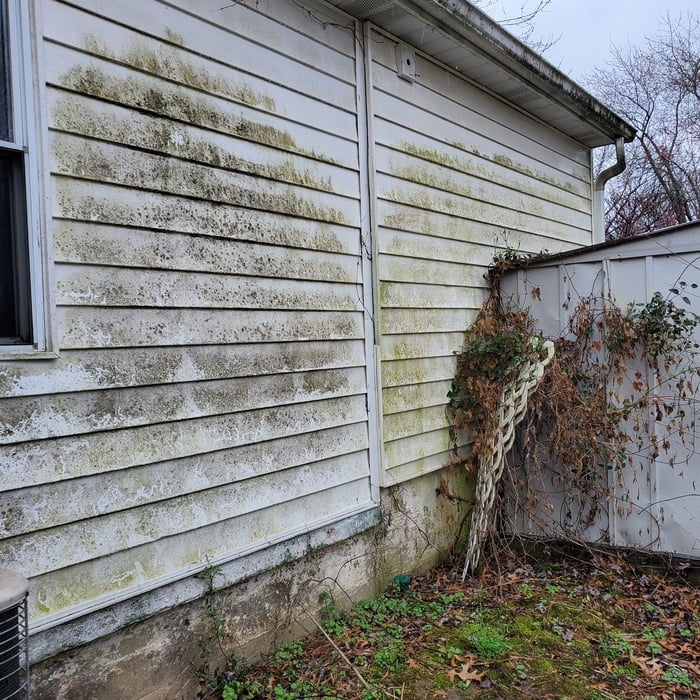
You should avoid using a pressure washer on any surface or item that could be damaged by the high-pressure spray, as some materials are too delicate to withstand the force.

Key items and surfaces to avoid include:

  • Electrical Components: Never pressure wash electrical systems, as water can cause short-circuits and create a safety hazard. This includes utility meters, breaker boxes, electrical outlets, generators, and HVAC or air conditioner units.

  • Delicate and Fragile Materials: Fragile items can crack, shatter, or be stripped by the pressure. Avoid pressure washing windows, glass, light fixtures, shingled roofs (especially asphalt), and stucco.

  • Painted, Stained, or Sealed Surfaces: Unless your goal is to strip the finish, do not pressure wash painted surfaces, stained wood (like decks), or anything with a protective seal that could be stripped away. Be especially cautious with older surfaces that may contain lead paint.

  • Soft Woods and Certain Decking: Delicate surfaces like softwood, composite decking, and antique or wooden patio furniture can be etched or damaged. If you must wash wood, use a lower-powered pressure washer with a wide-angle nozzle to prevent damage.

  • Living Things: Never use a pressure washer on people, pets, or plants. The force can cause serious injury and will destroy landscaping.

Whether window film is better depends on individual preferences and specific needs. In some instances, window film can be much less costly to install. Aesthetics is also a deciding factor. Window film may have a more significant appeal for design minimalists looking for a clean and streamlined look without the heaviness that comes with curtains. On the flip side, they can also appeal to design maximalists looking for creative expression in the form of color, patterns, and texture. Choosing between window film and traditional window coverings depends on factors like desired functionality, aesthetics, and personal preferences.

Window treatments fall under the categories of hard, soft, and layered. Hard refers to stiff, formed treatments that include window blinds and shutters. Soft refers to cloth window treatments that include drapes and curtains. Finally, layered refers to the combination of soft and hard treatments. For example, you might place flowing drapes over blinds to combine the practicality of a treatment that blocks the sun with the whimsical and elongating aesthetic of a full-window drape.

If you proactively avoid grime buildup and mold growth, you can clean the shower curtains as needed. However, if you forget to take preventive action, a good rule of thumb is to clean fabric curtains about every three months. And you’ll clean plastic liners and curtains every three to four weeks.

The Wellston, MO homeowners’ guide to drapery cleaning services

From average costs to expert advice, get all the answers you need to get your job done.