







20 years of painting and painting Managment experience. I want to create not only a great product but an amazing customer service experience to complete your projects timely and on budget

"Things went well. The work was done meticulously. They cleaned up every day and communicated well as to any stoppage. i.e. Weather stopped job for two days and I was called to inform me. All nail holes were painted to match the color scheme. The bottom line: my home looks fantastic."
"Tom and Tony did a great job painting our fascia, soffits and garage doors. Rogers Painting showed up and finished the job within the time frame they originally gave us. Rare these days! Very nice people to do business with."
"Very well, We own ten rental properties and have used Jay on several occasions over the past two years. We intend to colntinue to utilize his services."
"They were excellent, I would highly recommend. Everyone was very professional and showed up right when they said they would. They were gentle and everything arrived intact. They had us on the road in no time."
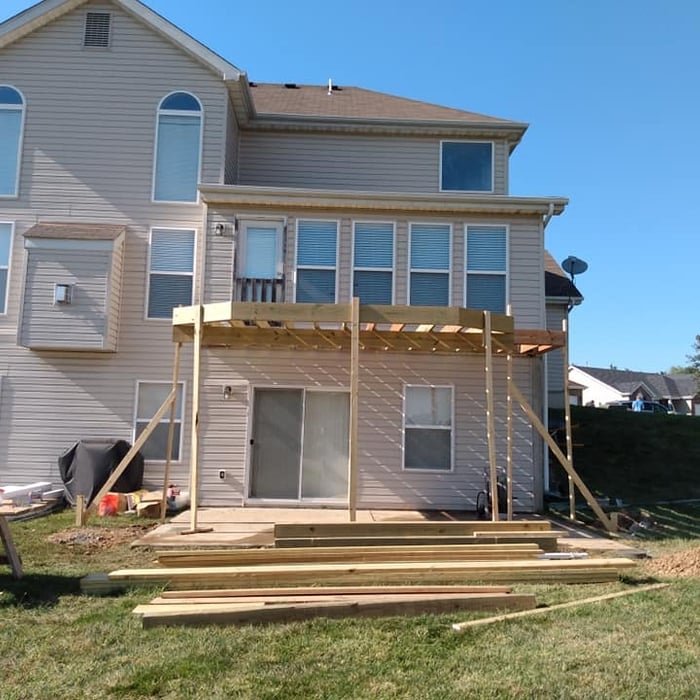
"It has been a pleasure to do business with Ahmed construction. They provide very fair price on bidding. The administrative project manager Mr Albert is a hard working guy. Him along with the Mr Judy did the decking and replaced some studs on an addition remodel project. I highly recommend Ahmed construction and I will hire them again for any future project"
Applying a sealer or topcoat after staining wood is highly recommended, though not always strictly required. A sealer protects the wood from moisture, UV rays, and weather-related issues, which is especially important for outdoor surfaces like decks and fences. It also enhances the stain's durability, prevents fading over time, and gives the wood a cleaner, more professional-looking finish. For some indoor applications, a sealer may not be necessary, depending on the type of stain used and the level of protection needed. It's always best to check the stain manufacturer's recommendations and consider the wood's intended use and exposure when deciding whether to apply a sealer.
Always sand a deck before repainting so the wood is smooth and ready for paint. While you do not need to fully remove paint before repainting, sanding helps remove any areas with weather and sun damage. Sanding also helps remove chipped or flaking paint and opens the wood pores to improve paint adhesion.
Painted decks typically require a new coat about once every ten years. In between new coats, it's best to maintain your deck by regularly removing debris, washing it down with non-abrasive cleaners, and staying ahead of structural issues, such as loose boards and rotting wood. In some cases, painting a small section of your deck affected by damage or the sun can lower your costs and workload.
You don't need to seal your deck after painting it because most exterior paints are waterproof and weather-resistant. While stealing is not necessary, it can add an additional layer of protection.
The best paint for an older deck depends on the material and whether or not your deck already has a coat of paint. Generally, if your deck already has paint on it, you should choose the same type of paint when repainting the deck. For example, if an old deck has oil-based paint on it, stick with oil; if your deck has water-based paint, choose water-based paint.
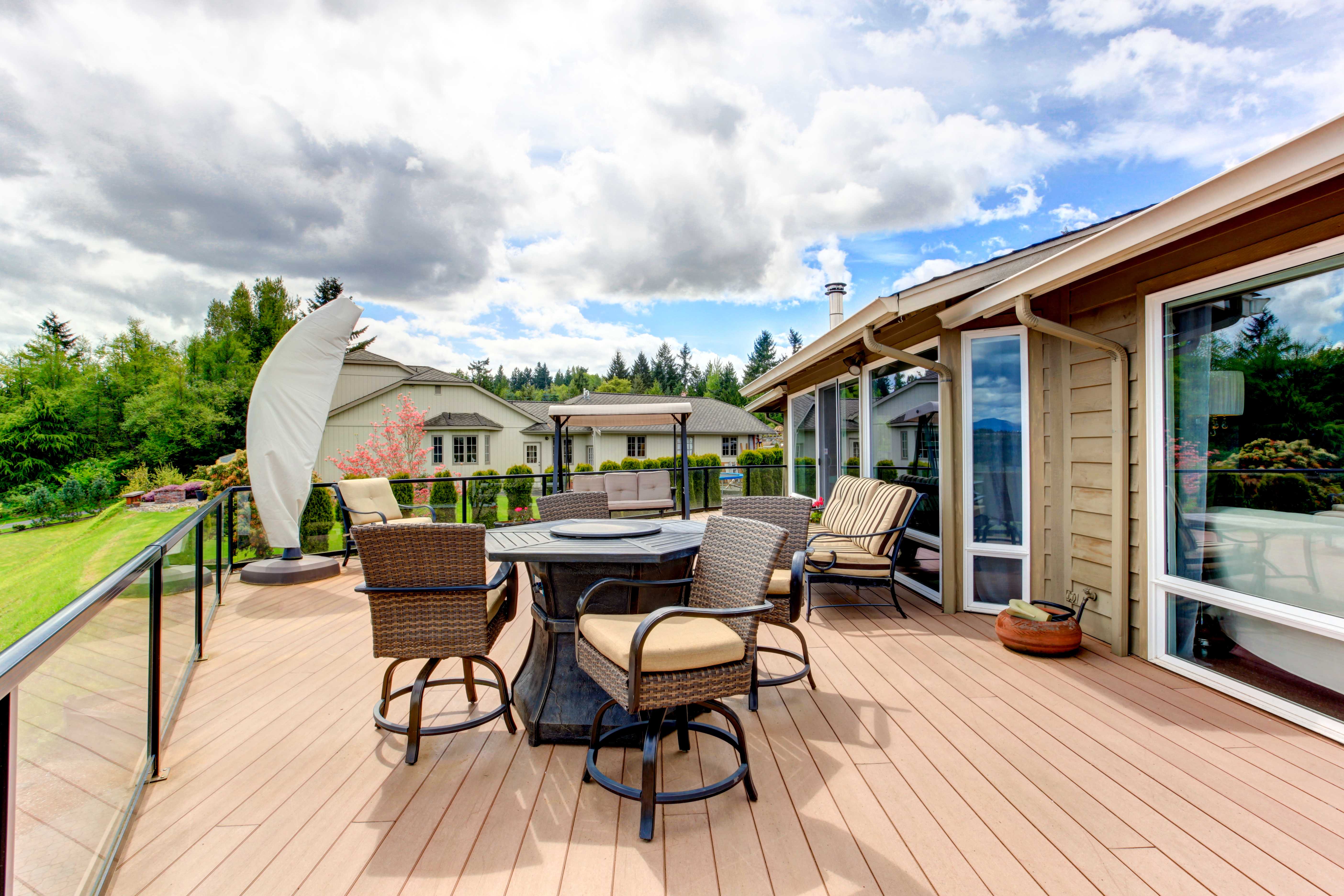
The Rosebud, MO homeowners’ guide to deck staining services
From average costs to expert advice, get all the answers you need to get your job done.
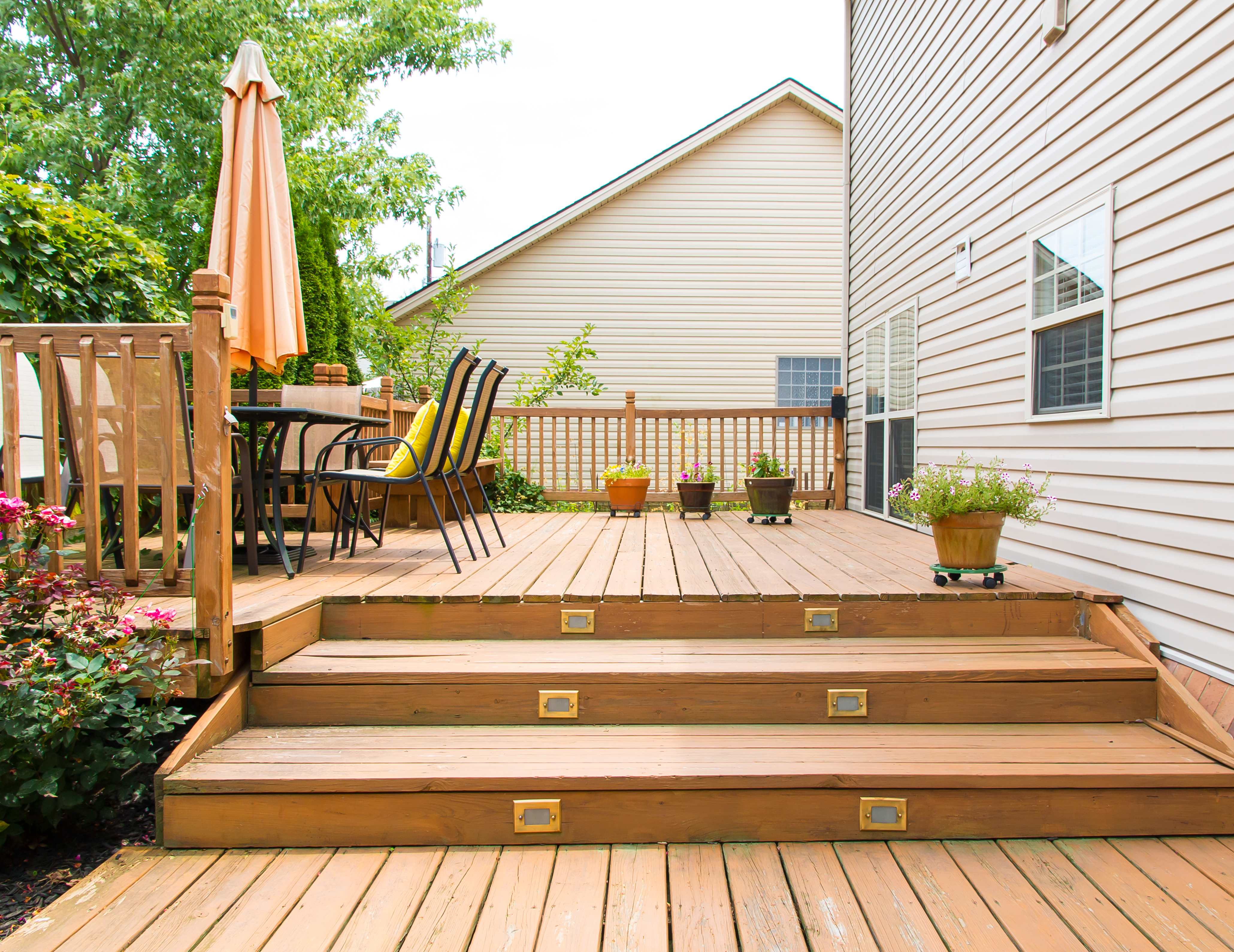
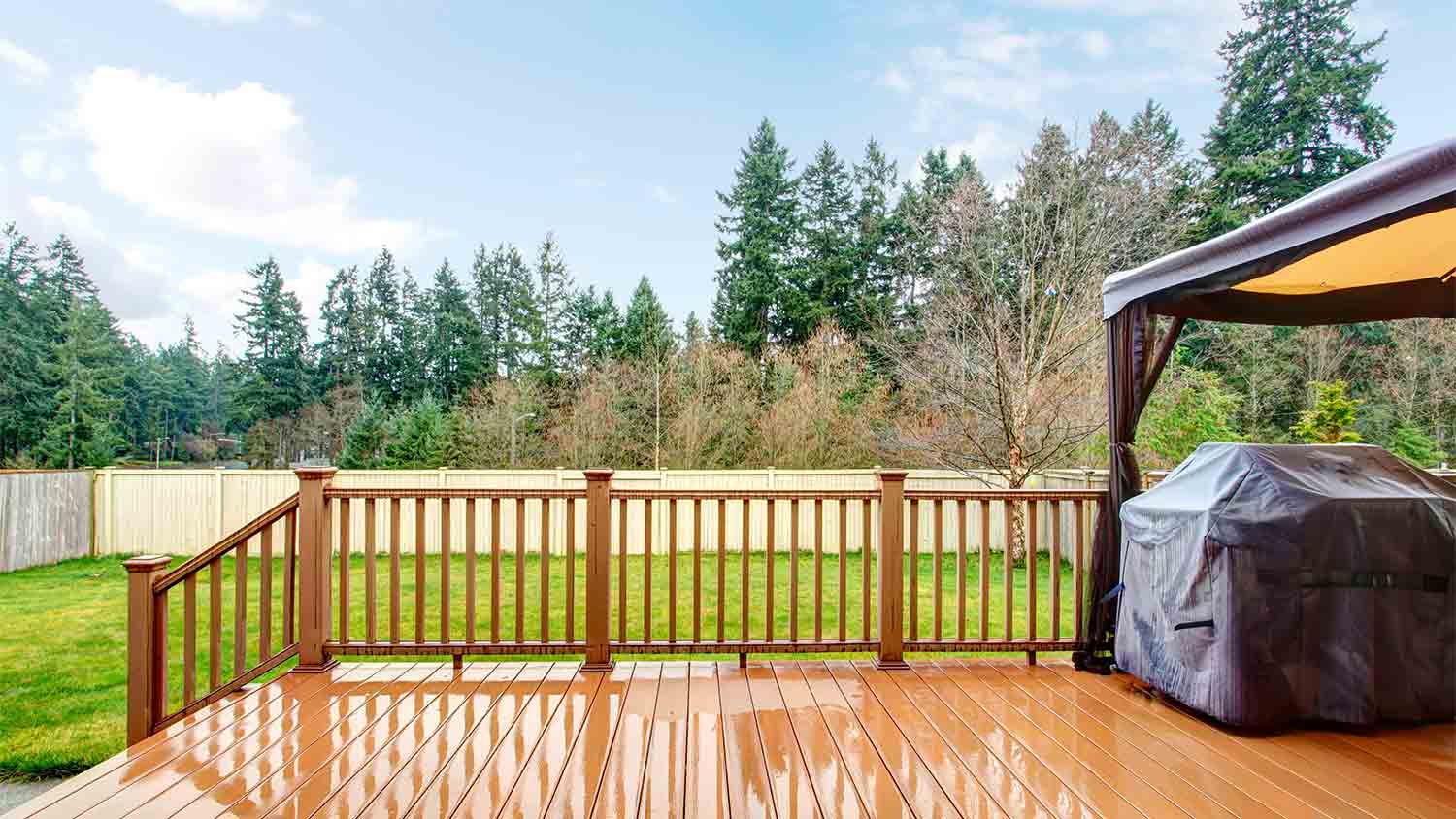
The best time to stain a deck is when it’s dry but not too sunny. How often you restain a deck depends on climate and wood type, but every two to three years is normal.