


Top-rated weed maintenance pros.

Get matched with top weed maintenance pros in La Grange, MO

Enter your zip and get matched with up to 5 pros

Need a pro for your weed maintenance project in La Grange, MO?

Select your specific project to find the pro for you.

TRUSTED BY LA GRANGE, MO HOMEOWNERS

  • Average homeowner rating star icon4.5
    Average homeowner rating
  • Verified reviews icon16
    Verified weed maintenance services reviews

Find Weed maintenance pros in La Grange

No results for Weed maintenance pro in

Try adjusting your search criteria.
Weed Services questions, answered by experts

Buffalo grass is not a dense grass, so weeds can grow between the buffalo grass plants. However, as long as you don’t overwater your lawn, weeds have a hard time growing. If you do notice weeds, you can use granular herbicides that are safe for buffalo grass in early and late summer.

If you spray a DIY vinegar solution that contains high salt, it can disrupt the soil's structure and make it difficult for plants to grow. That's why it's vital to avoid spraying vinegar solution on areas where you are trying to grow plants and flowers. When using a mix of vinegar and soap, some say you can plant a few days after the vinegar dries. 

Burning is not a recommended method for controlling foxtail grasses. In a large pasture scenario, the fire moves too quickly through the weeds to effectively burn and kill the seeds, meaning they will resprout eventually. If your lawn is overrun with foxtails, it’s best to consult a lawn care professional for suggestions on how to permanently remove it from your property.

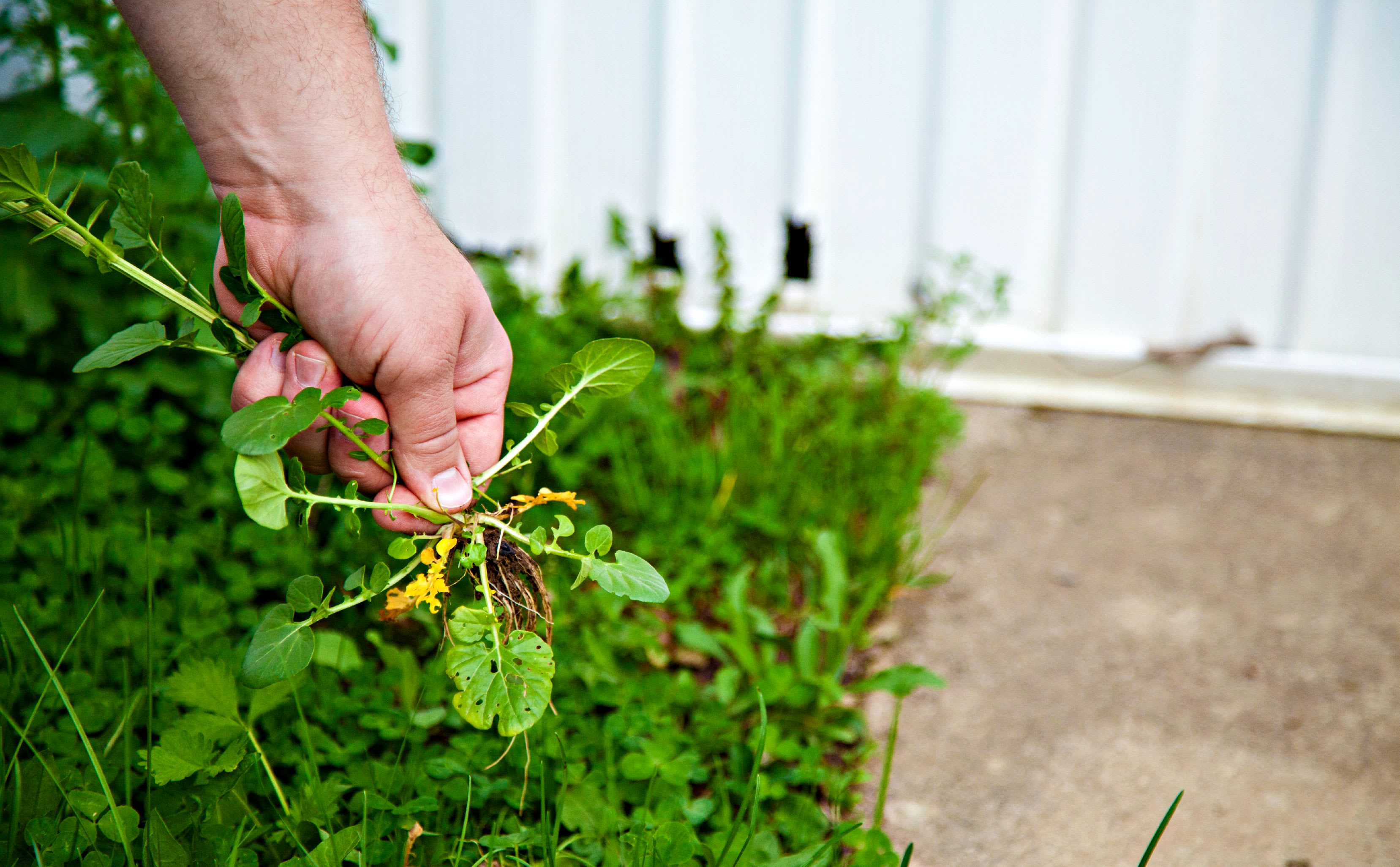
Pulling weeds once per month is typically often enough to keep most weeds at bay. But in general, it's best to pull weeds as soon as you spot them to prevent deep root growth and slow their spread. To make it easier, plan your weed pulling after rain or after the sprinklers run so the soil will be nice and wet and the weeds will be easier to pull. If you notice moss accompanying weeds, make a plan to remove the moss immediately to prevent damage.
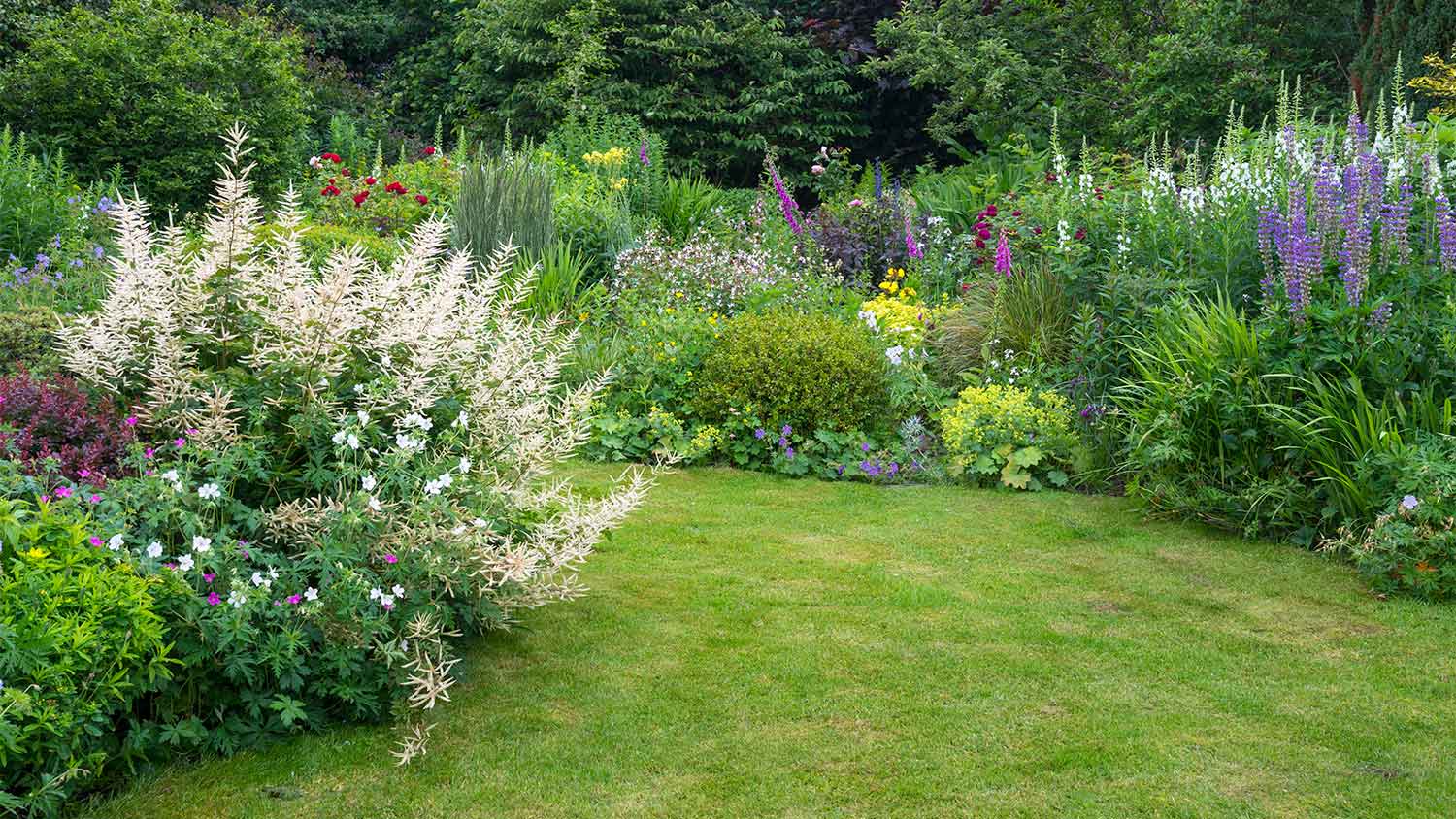
Too much clover in your lawn can indicate several issues with your soil. Clover can thrive in soils with abnormally high pH, low-cut grass, and low nitrogen. Amending these issues can push clover out for good.

Hardy perennial clover loves the low nitrogen and compact conditions that often come with poor, infertile soils. But other factors also contribute to a clover explosion, including drought conditions, cool temperatures, under fertilization, and over-irrigation. You’ll need to evaluate all these elements when planning to kill off the clover.

The La Grange, MO homeowners’ guide to weed maintenance services

From average costs to expert advice, get all the answers you need to get your job done.