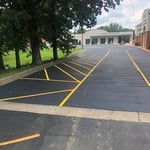




Top-rated concrete driveway pros.

Get matched with top concrete driveway pros in Kennett, MO

Enter your zip and get matched with up to 5 pros

Need a pro for your concrete driveway service project in Kennett, MO?

Select your specific project to find the pro for you.

Find Concrete driveway pros in Kennett

MB Concrete, LLC
5.0(
1
)

Serving Kennett, MO and surrounding areas

In business since 1996

Free estimates

Offers commercial services

MB Concrete, LLC provides our customers with the best quality and craftsmanship. We are here to build relationships with our customers and communities and to provide our employees with a wonderful place to work MB Concrete, LLC is a leader providing our customers with the highest quality products and craftsmanship in an honest, efficient, and professional way. With over 30 years of experience, we pledge to create successful relationships with our customers, employees, and community by building trust, treating every project with the utmost integrity and exceeding expectations. We look forward to working with you!\n\n*Trip charge after 50 miles!

Recommended by100%of homeowners
Sutton Flatwork Concrete, LLC
0.0(
3
)

Serving Kennett, MO and surrounding areas

In business since 1982

Free estimates

Sutton Flatwork Concrete, LLC, has over 30 years experience. We have always maintained a great relationship with all our clients. Top quality work and excellent customer service is the reason we have been successful. We also offer other services that include; sidewalks, parking lots, curbs and gutters, roads and footers, and staining of concrete. We are the all in one for your concrete needs. Call today for a free estimate.

Recommended by50%of homeowners
Showing 1-10 of 26
Concrete Driveways questions, answered by experts

You should never use bleach in a pressure washer. While bleach is effective at killing mold and mildew, it is a potent chemical that can corrode the machine's seals and nozzles, destroying it from the inside out. Additionally, pressure washing with bleach sprays the chemical into the air, which is dangerous if inhaled and can kill nearby plants, flowers, or harm animals that ingest it. If you need to remove mold or mildew, it is best to hire a professional who will use a safe and effective cleaning agent.

Whether you need to winterize your pressure washer depends on where you store it. If you can keep it in a relatively warm place with no risk of freezing, you won't need to add antifreeze. However, if the machine will be stored in freezing temperatures, any liquid left in the water pump can freeze, expand, and cause severe damage. To prevent this, add antifreeze to keep it in good condition. While some suggest emptying the machine with compressed air, this can be a tedious process that may not fully drain the liquid. Regardless of storage conditions, it is also good practice to empty the gas chamber and refresh the oil before winter storage.

Yes, most pressure washing companies use your home's water supply, typically from an outdoor spigot. However, some companies can bring their own water in a tank or truck. This is less common and may incur additional costs for filling and hauling the water. It's a good idea to ask a company which method they use when you call for a cost estimate.

Yes, you can pressure wash epoxy floors, but you must take precautions to avoid damaging the surface. While most epoxy floors can be cleaned with a mop, you might choose to pressure wash if the floor is stained, has ground-in dirt, or is covered with mold or mildew. To do so safely, first soak any stains or dirty areas with a gentle cleanser. Use a lower pressure setting with a gentle nozzle, such as a green, white, or black tip, or a 45-degree angled tip. Keep the spray nozzle at least 18 inches away from the floor to protect the surface. Using a surface cleaner attachment or a rotary scrubber can also help prevent overspray. Be cautious if using a power washer that heats the water, as the combination of heat and pressure may be too powerful and could damage the epoxy coating.

You should avoid using a pressure washer on any surface or item that could be damaged by the high-pressure spray, as some materials are too delicate to withstand the force.

Key items and surfaces to avoid include:

  • Electrical Components: Never pressure wash electrical systems, as water can cause short-circuits and create a safety hazard. This includes utility meters, breaker boxes, electrical outlets, generators, and HVAC or air conditioner units.

  • Delicate and Fragile Materials: Fragile items can crack, shatter, or be stripped by the pressure. Avoid pressure washing windows, glass, light fixtures, shingled roofs (especially asphalt), and stucco.

  • Painted, Stained, or Sealed Surfaces: Unless your goal is to strip the finish, do not pressure wash painted surfaces, stained wood (like decks), or anything with a protective seal that could be stripped away. Be especially cautious with older surfaces that may contain lead paint.

  • Soft Woods and Certain Decking: Delicate surfaces like softwood, composite decking, and antique or wooden patio furniture can be etched or damaged. If you must wash wood, use a lower-powered pressure washer with a wide-angle nozzle to prevent damage.

  • Living Things: Never use a pressure washer on people, pets, or plants. The force can cause serious injury and will destroy landscaping.

The Kennett, MO homeowners’ guide to concrete driveway services

From average costs to expert advice, get all the answers you need to get your job done.