





Top-rated lead testing and removal specialists.

Get matched with top lead testing and removal specialists in Harrisburg, MO

Enter your zip and get matched with up to 5 pros

Need a pro for your lead testing and removal project in Harrisburg, MO?

Select your specific project to find the pro for you.

Find Lead testing and removal specialists in Harrisburg

Avatar for Stanley's Home Improvement
Stanley's Home Improvement
3.3(
12
)
Toxic Lead - AbatementToxic Lead - Testing

Serving Harrisburg, MO and surrounding areas

Free estimates

Emergency services offered

"They did a very amazing job with the amount of trees i was needing done, they was very respectful and a very affordable price, my wife also hired then again when they mentioned landscaping and it was outstanding. I will call them again for the trees and landscaping needs next year!"

Additional Photos
Additional Photos
Additional Photos
Additional Photos
Additional Photos

+8

Recommended by77%of homeowners

Lead Testing and Removal questions, answered by experts

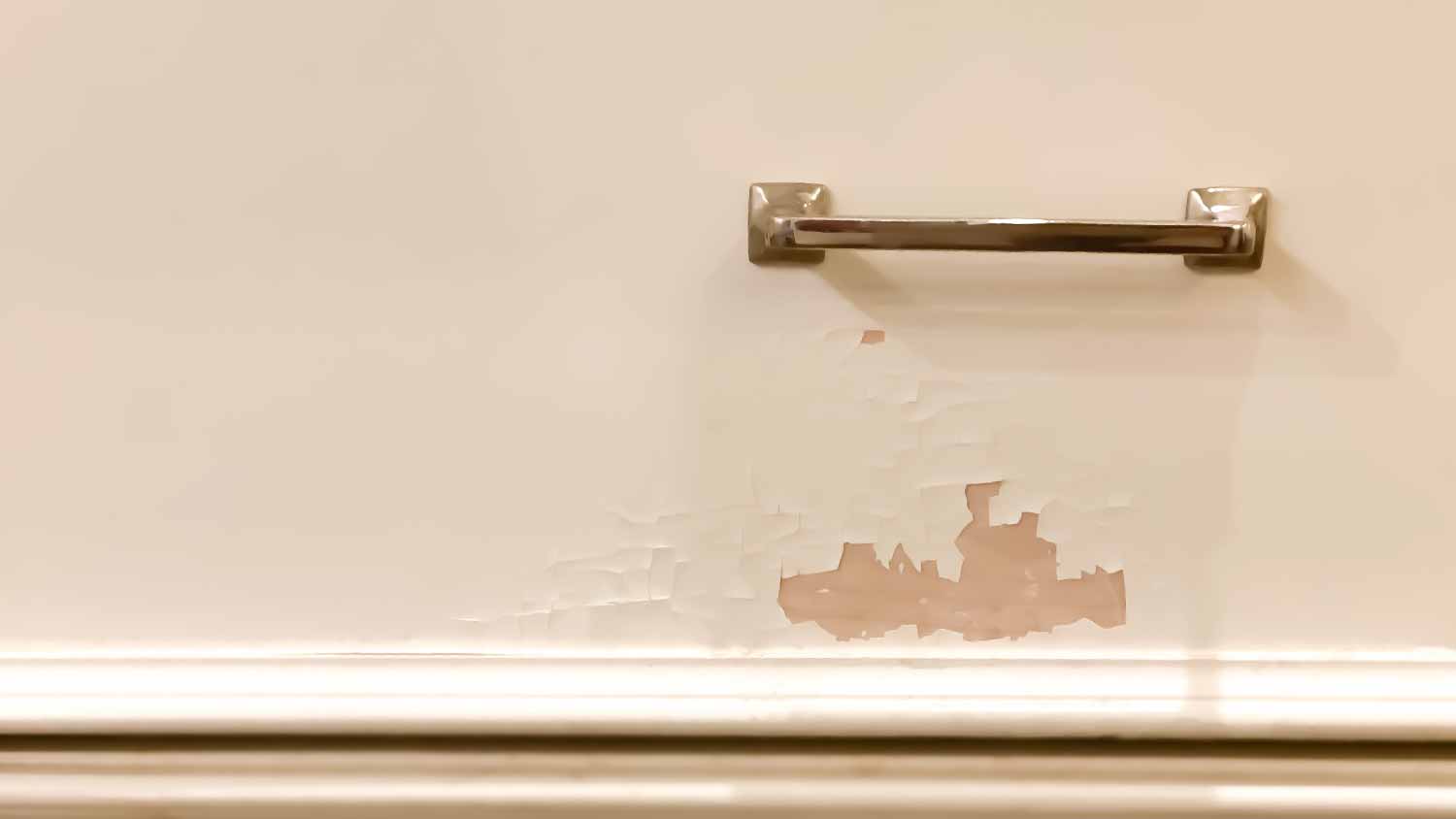
If the lead paint is in a place that is not easily disturbed and is not flaking or deteriorating, you do not necessarily need to remove it. Lead is toxic when dust particles or flakes from peeling lead paint are ingested. If people are not in the area with the lead paint, it may be safe to leave it in place. You still may want to consider encapsulation with a paint formulated for covering lead-based paint, just for an added layer of protection.

You can sell a house with lead paint, but there are several requirements. If you are aware that lead paint exists anywhere in the home, you must disclose that to potential buyers. Required home inspections will often uncover lead paint, especially for older houses where lead paint may still be a problem. If you have taken steps to encapsulate lead, you should provide buyers with full documentation of the project so it won’t cause any problems later on.

Costs depend on test type, home size, number of testing locations, and whether follow-up testing is required.

Several different measurements may be used to determine the amount of lead in water. The most common unit of measurement is micrograms per liter (µg/L), which is the same as parts per billion. Another measurement is milligrams per liter (mg/L), which is the same as parts per million.

Some causes of brown well water—like excess tannins or dissolved iron—don’t pose a health risk. In other cases, harmful bacteria might be the culprit. If your well water has suddenly turned brown, it’s a good idea to use a home water test kit to get a better sense of what’s going on with your water. Consider calling a professional for an expert opinion before drinking the water and hoping for the best.

The Harrisburg, MO homeowners’ guide to lead testing and removal services

From average costs to expert advice, get all the answers you need to get your job done.