


Top-rated energy efficiency auditors.

Get matched with top energy efficiency auditors in Gerald, MO

Enter your zip and get matched with up to 5 pros

Need a pro for your energy efficiency auditing project in Gerald, MO?

Select your specific project to find the pro for you.

Find Energy efficiency auditors in Gerald

Tri State Solar Power, LLC
New to Angi
Home Energy Audit

Serving Gerald, MO and surrounding areas

In business since 2019

Free estimates

We take great pride our experience, expertise, quality, and customer service that we provide to meet the consumers' needs. It is our mission to provide excellent workmanship, and complete customer satisfaction from start to completion of a project. order to understand the needs, and expectations of our customers, we take great care to work, and communicate with every customer a professional manner. Our reputation is based on service, safety, and quality, regardless of how large or small the job.

Avatar for Mid MO Inspectors
Mid MO Inspectors
0.0(
7
)
Energy Audit - For Business

Serving Gerald, MO and surrounding areas

In business since 2005

Free estimates

Mid MO Inspectors will provide you or your business with a full service approach to all your inspection needs. Please feel confident in contacting Mid MO Inspectors for your next inspection.

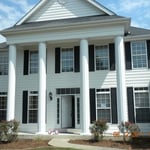
 3 story large home
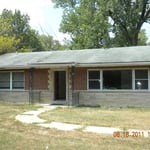
 Ranch Style
Home Inspections
Home Inspections
Home Inspections

+5

Recommended by100%of homeowners

Energy Efficiency Auditing questions, answered by experts

Some types of electric fireplaces use more electricity than others. Models that produce 1,500 watts will have more of an effect on your heating bill than 750-watt models. 

Electric fireplaces use an average of $1.85 of electricity every eight hours. These minimal operational costs aren’t likely to make a big difference in your electric bill—unless you’re using it as a primary heating source for your home and it’s running most of the time.

String lights require electricity, but not an excessive amount, especially when compared to other lighting fixtures. LED rope lights, for instance, consume around one watt per foot. Running six or seven light strings simultaneously should only cost you around $10 to $15 each month. You can save even more money by remembering to turn off your lights during daylight hours. 

R-value is calculated by dividing the thickness of an insulation material by its thermal conductivity. The material's composition and density influence thermal conductivity. Materials with lower conductivity values provide better insulation. The higher the R-value, the better the material is at insulating, helping homeowners select insulation that meets the energy needs of their climate and home layout.

R-value measures an insulation material's thermal resistance, indicating its ability to resist heat transfer. A higher R-value signifies better insulation performance because the material is more effective at slowing heat flow. The R-value depends on the type, thickness, and density of the insulation material, such as fiberglass, foam, or cellulose. Each inch of insulation typically provides an R-value between 3 and 8. There is no single universal R-value; the optimal choice depends on your climate zone. Colder climates require a much higher R-value than warmer ones to maintain energy efficiency, keep the home warm in winter and cool in summer, and manage costs.

Yes, skylights can affect a home’s energy efficiency, either positively or negatively. Properly installed, energy-efficient skylights with Low-E coatings, double glazing, and UV-blocking glass can help regulate indoor temperatures and reduce heating and cooling costs. However, poorly insulated or older skylights can contribute to heat loss in winter and excess heat gain in summer, lowering overall energy efficiency.

The Gerald, MO homeowners’ guide to energy efficiency auditing services

From average costs to expert advice, get all the answers you need to get your job done.