







Top-rated deck cleaning pros.

Get matched with top deck cleaning pros in Centertown, MO

Enter your zip and get matched with up to 5 pros

Need a pro for your deck cleaning project in Centertown, MO?

Select your specific project to find the pro for you.

TRUSTED BY CENTERTOWN, MO HOMEOWNERS

  • Average homeowner rating star icon4.5
    Average homeowner rating
  • Verified reviews icon18
    Verified deck cleaning services reviews

Find Deck cleaning pros in Centertown

Team Thompson Trades
New to Angi
Deck, Fence, Patio or Porch - Clean and Seal

Serving Centertown, MO and surrounding areas

Approved

Free estimates

Small jobs welcome

Hello, I am a recently retired educator and coach. I learned building trades from my father as a child and worked with him in construction for 8 years building houses from the ground up including plumbing, wiring, concrete, cabinetry, etc. from framing to finish. I have completed my own additions, remodeling, and repairs for the last 30 years. I'm a detail oriented perfectionist that enjoys working with my hands and providing a quality, reasonably priced service.

Bathroom
Bathroom
Bar area
Recreation area
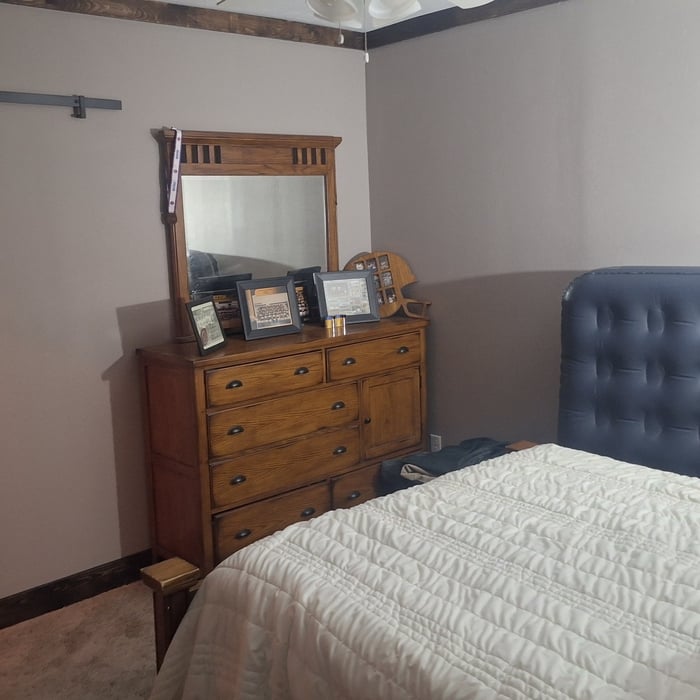
Bedroom

+2

Avatar for C&C Painting
C&C Painting
4.2(
6
)
Deck, Fence, Patio or Porch - Clean and SealDeck, Fence, Patio or Porch - Clean and Seal - For Business

Serving Centertown, MO and surrounding areas

"The owner came to my house the day after my initial contact and provided an estimate. His price was 40% lower than the other estimate I received. We scheduled a date and he and his crew completed the job on time and precisely as promised. Stain used was a professional grade product from Sherwin Williams. The house and lighting fixtures, conduit, etc. were all completely masked off. There was not one spot of overspray, drips, or any other defects when they were done. All edge lines were clean and crisp. A beautiful job! Highly recommended.
"
Recommended by100%of homeowners
Showing 1-10 of 47
Deck Cleaning questions, answered by experts

While eco-friendly decking, also called composite decking, is a win for the environment because it consists of recycled materials, it has trade-offs. These sustainable options often come with steeper price tags, lack natural wood's warm look, and can become uncomfortably hot under full sun. Some composite materials can also become slick when wet, posing a potential hazard.

Most building codes require that railing spindles (also known as balusters) on decks or stairs be spaced no more than four inches apart. This safety standard is often called the '4-inch sphere rule,' which means a sphere with a 4-inch diameter should not be able to pass through the opening between balusters. This rule is in place to prevent small children and pets from slipping through the railing. For the same reason, the space between the bottom rail and the deck or floor surface should also be no more than four inches. As a general guideline, professionals often install three balusters per foot of railing. However, since specific requirements can vary by location, it is essential to check your local building codes to ensure compliance before starting your project.

Pressure-treated wood contains preservatives that give the material internal protection from rot and pests. Untreated lumber won’t last more than a few years unless you choose a more expensive wood, like cedar, that naturally stands up well to moisture. Composite decking can outlast wood but is more expensive and doesn’t look as natural. Keep in mind that you’ll need to seal any exterior wood product to protect it from the elements and other forms of external damage.

Whether you need a permit depends on the deck design and local regulations. Most areas mandate a building permit if the deck is over a specific height or if it's attached to a pre-existing structure. Shorter, freestanding decks may not require a permit, but you should check with local zoning ordinances and your homeowners association for specifics.
Ideally, a gate should be able to swing both in and out. However, if it can only open in one direction, it is generally best for it to swing inward. This is often the safest option, especially for deck gates near steps, as you'll want the gate to swing away from the stairs. An inward swing also prevents the gate from opening into a public space, like a sidewalk, and can be more convenient when carrying heavy items like a wheelbarrow into a garden.

There are exceptions, however. The layout of your property may require a different approach. For example, if your property is on a slope, the gate may not be able to swing inward. You should also ensure the gate can open fully without colliding with any objects or blocking access to other areas. For a backyard garden gate where public access isn't a concern, the direction it swings is largely a matter of personal preference. Finally, always check your local building codes, as they may have specific requirements for which way a gate must swing.

The Centertown, MO homeowners’ guide to deck cleaning services

From average costs to expert advice, get all the answers you need to get your job done.