







Top-rated bird control service pros.

Get matched with top bird control service pros in Vergas, MN

Enter your zip and get matched with up to 5 pros

Need a pro for your bird control service project in Vergas, MN?

Select your specific project to find the pro for you.

TRUSTED BY VERGAS, MN HOMEOWNERS

  • Average homeowner rating star icon3.7
    Average homeowner rating
  • Verified reviews icon44
    Verified bird control services reviews

Find Bird control service pros in Vergas

Avatar for Presto-X (St. Louis)
Presto-X (St. Louis)
New to Angi
Pest Control - Birds and Bats

Serving Vergas, MN and surrounding areas

In business since 1932

Free estimates

Credit card accepted

Since 1932, Presto-X (formerly Anderson Pest Solutions) has been providing expert pest control services guided by the enduring principles of providing world class service to our customers and taking care of our colleagues. Presto-X covers your home or business with expert knowledge, professionally licensed and trained technicians, and exemplary service designed specifically for you.

Bird Control questions, answered by experts

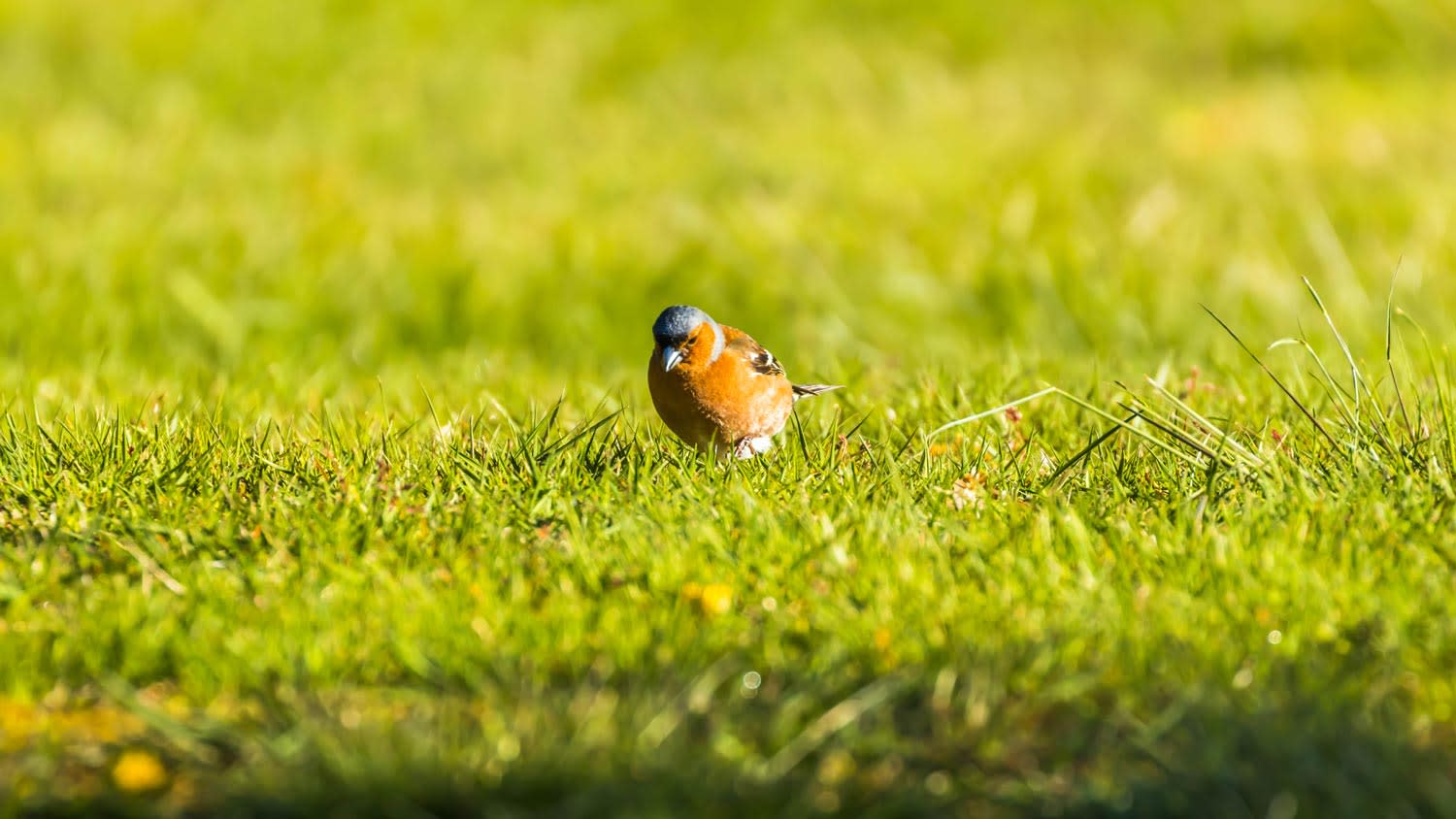
Birds eat grass seed for one simple reason—it’s delicious! The seeds are rich in nutrients such as carbohydrates, proteins, and fats. Seeds are also high in energy, so humans eat trail mix loaded with seeds and nuts for long-distance activities. Grass seed, when unprotected, is also exceptionally easy to access.

Hawks might seem like fearless predators, but these smart birds do know what other animals to be cautious around. Hawks are naturally wary of humans and predators that see them or their eggs as a potential meal or threat. This list includes owls, crows, eagles, and even snakes or raccoons.

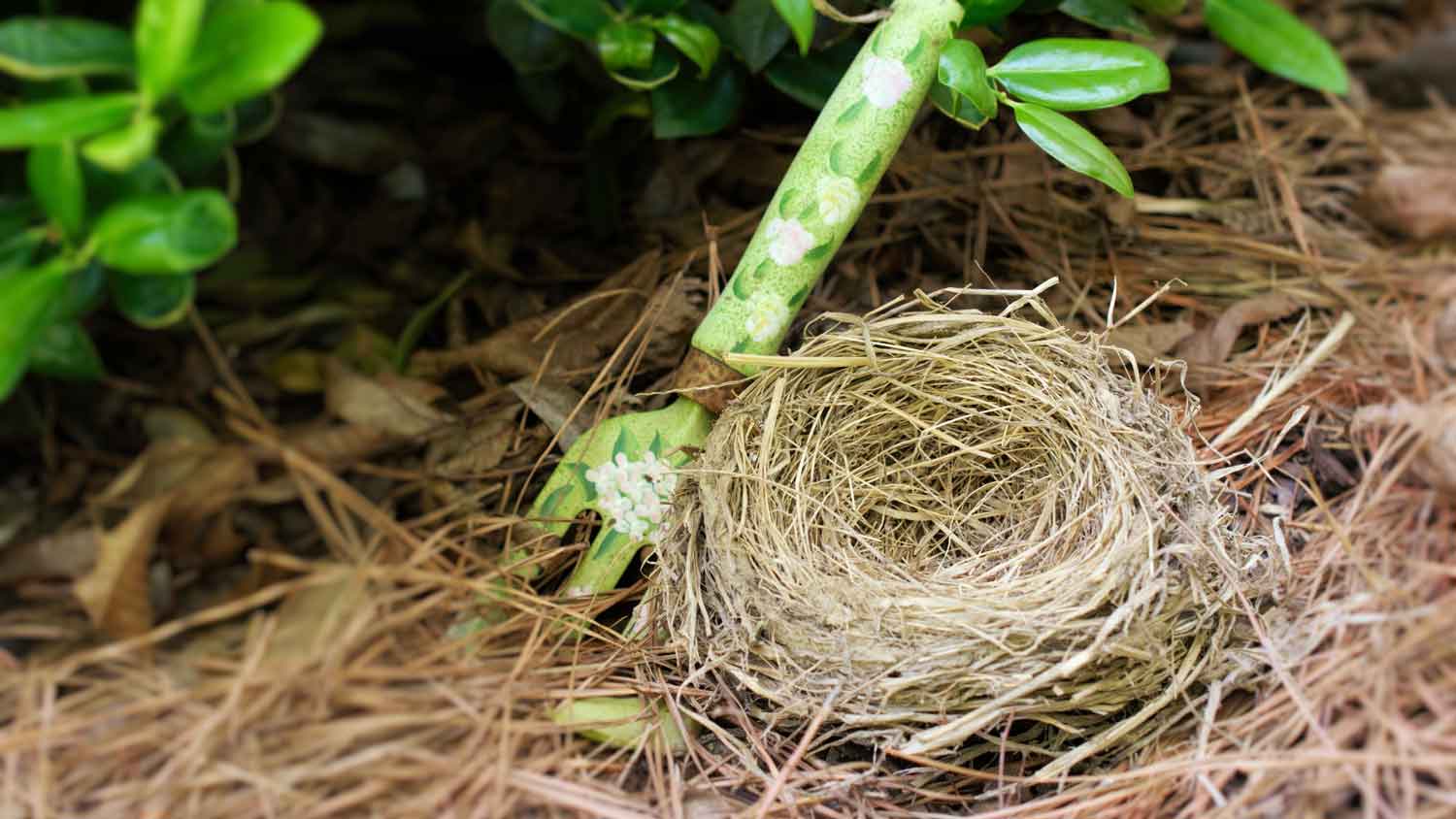
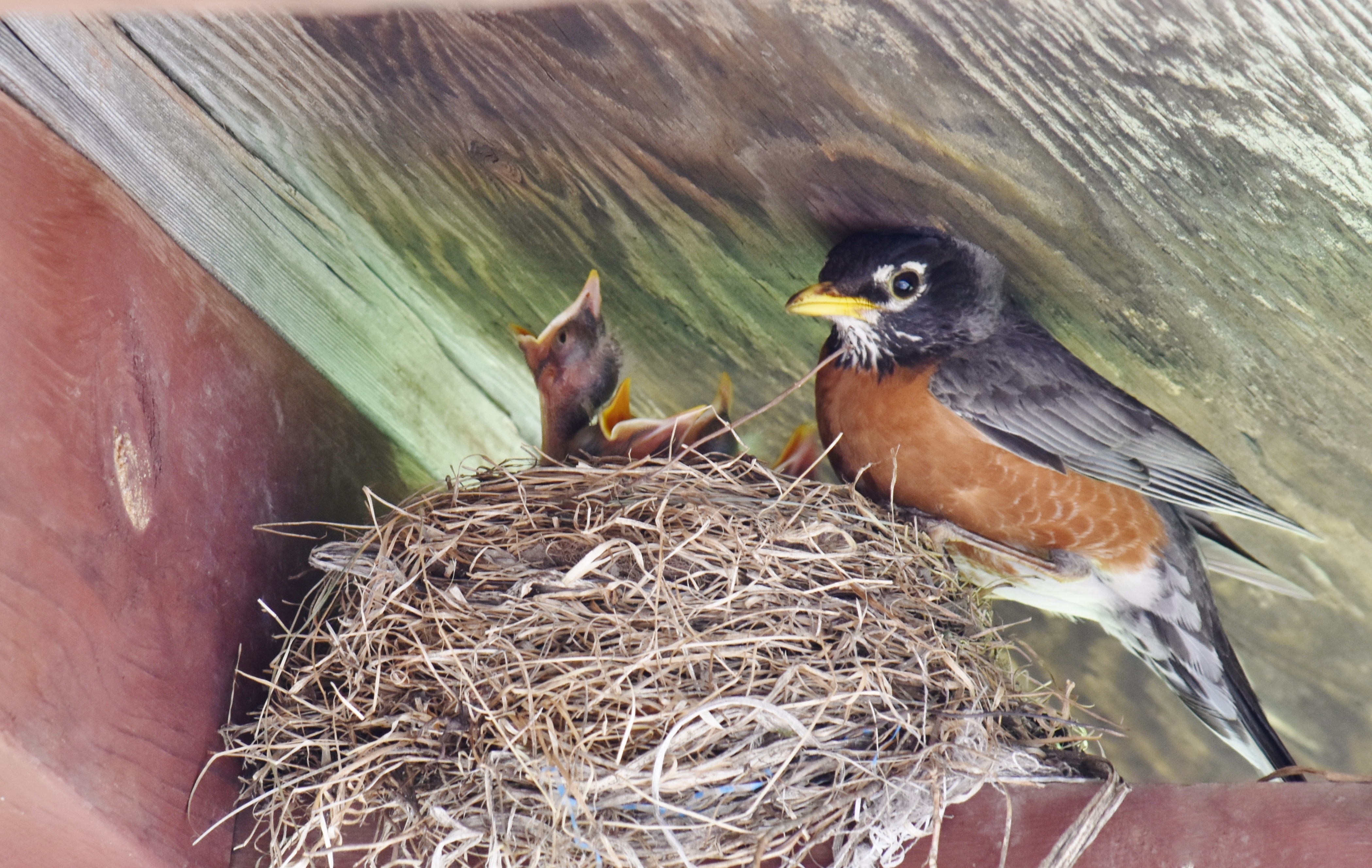
In most cases, a mother bird will return to a disturbed nest after the disturbance has passed. However, it can be hard for a mother bird to find a relocated nest. So, while it’s false that a mother bird will abandon her nest if it’s been disturbed, it’s not a good idea to relocate a nest with live babies or eggs in it.

Some of the plants listed above, like daffodils, are poisonous to many animals if eaten. But wild animals instinctively avoid them, for the most part. Household pets don’t always have the same survival instinct, which is why it’s a good idea to familiarize yourself with common plants that pose a danger to cats and dogs.

It can be difficult to know what type of animal is in your attic until you see it. But several clues can help you narrow down the suspects:

  • Sounds: Smaller animals like rats and mice make scurrying and tapping/gnawing sounds. Larger animals like raccoons and opossums make louder clambering noises. Also, note when animals are noisy: Squirrels are active during the day, while rats are busiest at night.

  • Droppings: Rats and mice leave small, rice-shaped droppings (the rat’s version is significantly larger). Bigger droppings belong to larger critters like raccoons. As long as you’re not squeamish, an image search can help you identify what you’re seeing in your attic.

When in doubt, take photos of damage or other evidence and show them to an experienced pest control pro.

The Vergas, MN homeowners’ guide to bird control services

From average costs to expert advice, get all the answers you need to get your job done.