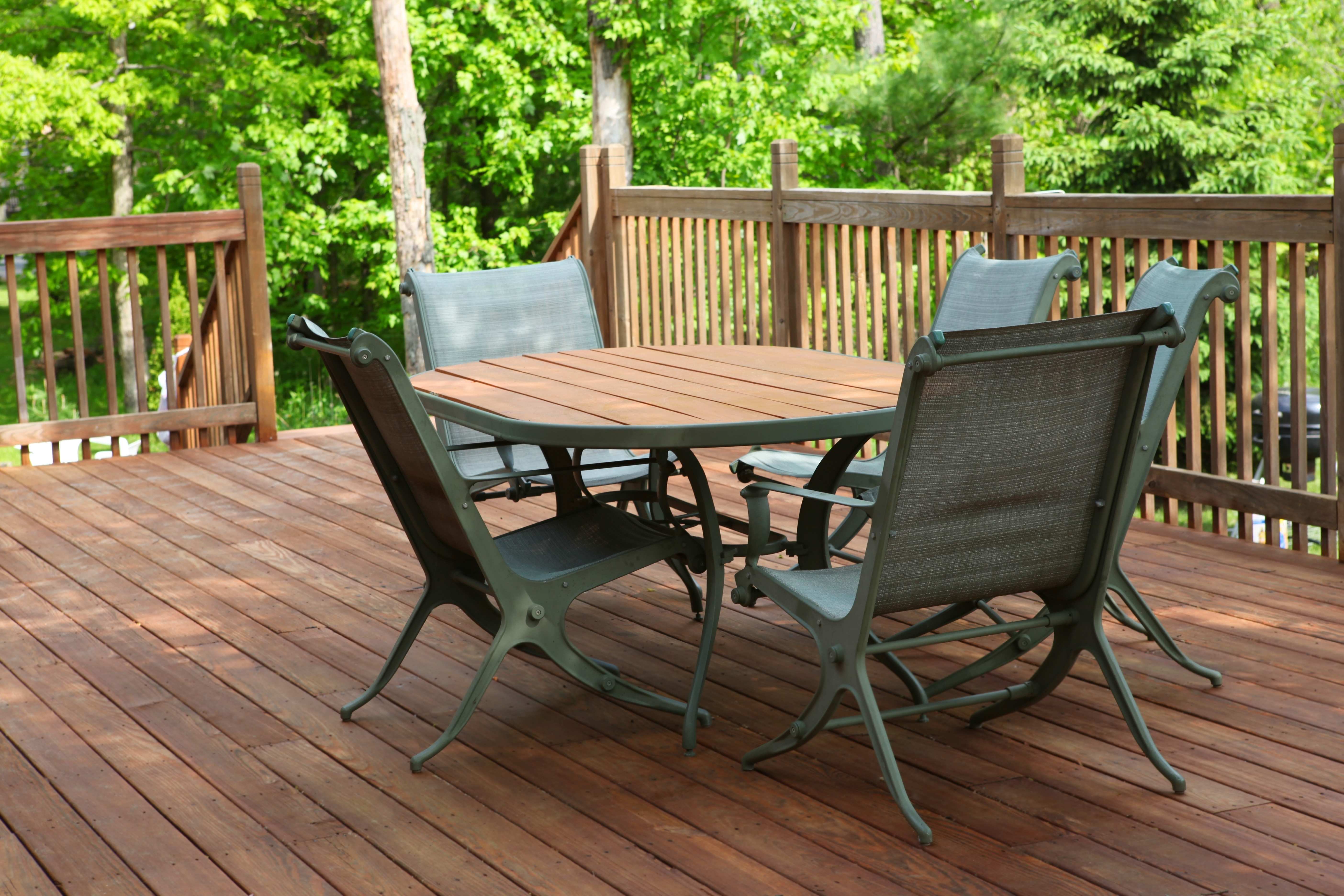
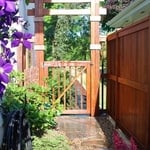
"It's true: working with Hal is not like working with other contractors. With Hal, you are developing a relationship, not fulfilling the terms of a contract. For some that might be more than they want out of a contractor. For me, it was exactly what I needed. Example: I was talking with Hal about another matter when we both happened to notice some rotting boards on our deck. I thought it was unsightly, but nothing serious. Hal persuaded me that, without immediate attention, the rot would spread to the joists underneath, and what was a small problem now would be a big problem later. He replaced the deck boards on time and for the price he quoted. I can now rest assured I won't be plunging through the deck this summer. Along the way, Hal fixed some off-kilter gates in our yard, and also consulted with me about some stains on our stucco (thus managing to solve a problem that had stumped several other contractors). He's always on the end of the line when I have a home repair question. He's been there for me for some five years now. There's plenty of quality workers out there, but not many who will listen as well, contribute as much, and return as often as Hal Morris."
"The salesmen slow down and no follow up. We had to keep calling to get the work ordered and into the company's shop. Once there, the crew was fast, polite and very knowledgeable."
"I was very pleased with the work. Nick is a hard worker and has expertise in many areas. They want the job done to the customer’s satisfaction. Communication was also good. I will hire this company again."
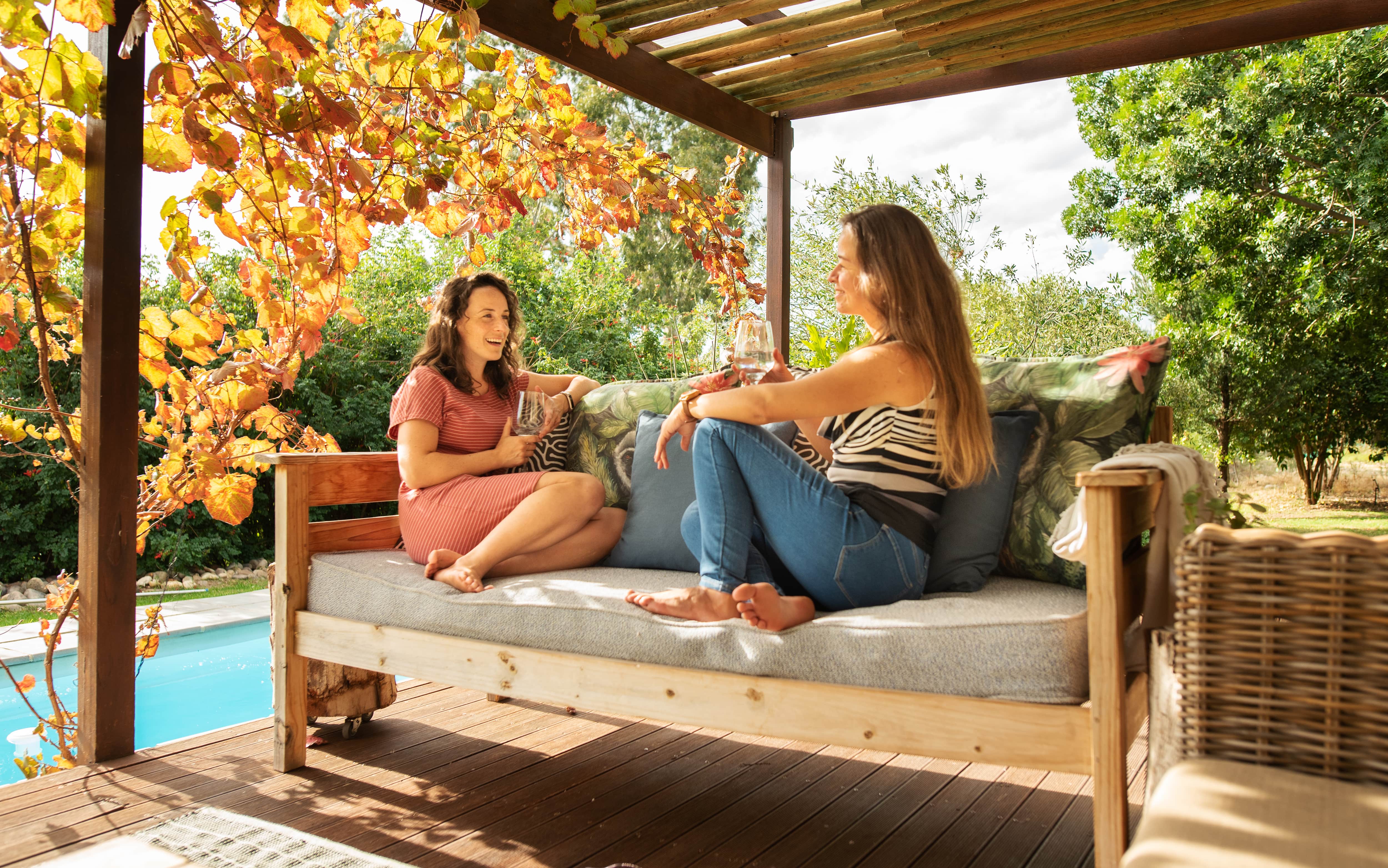
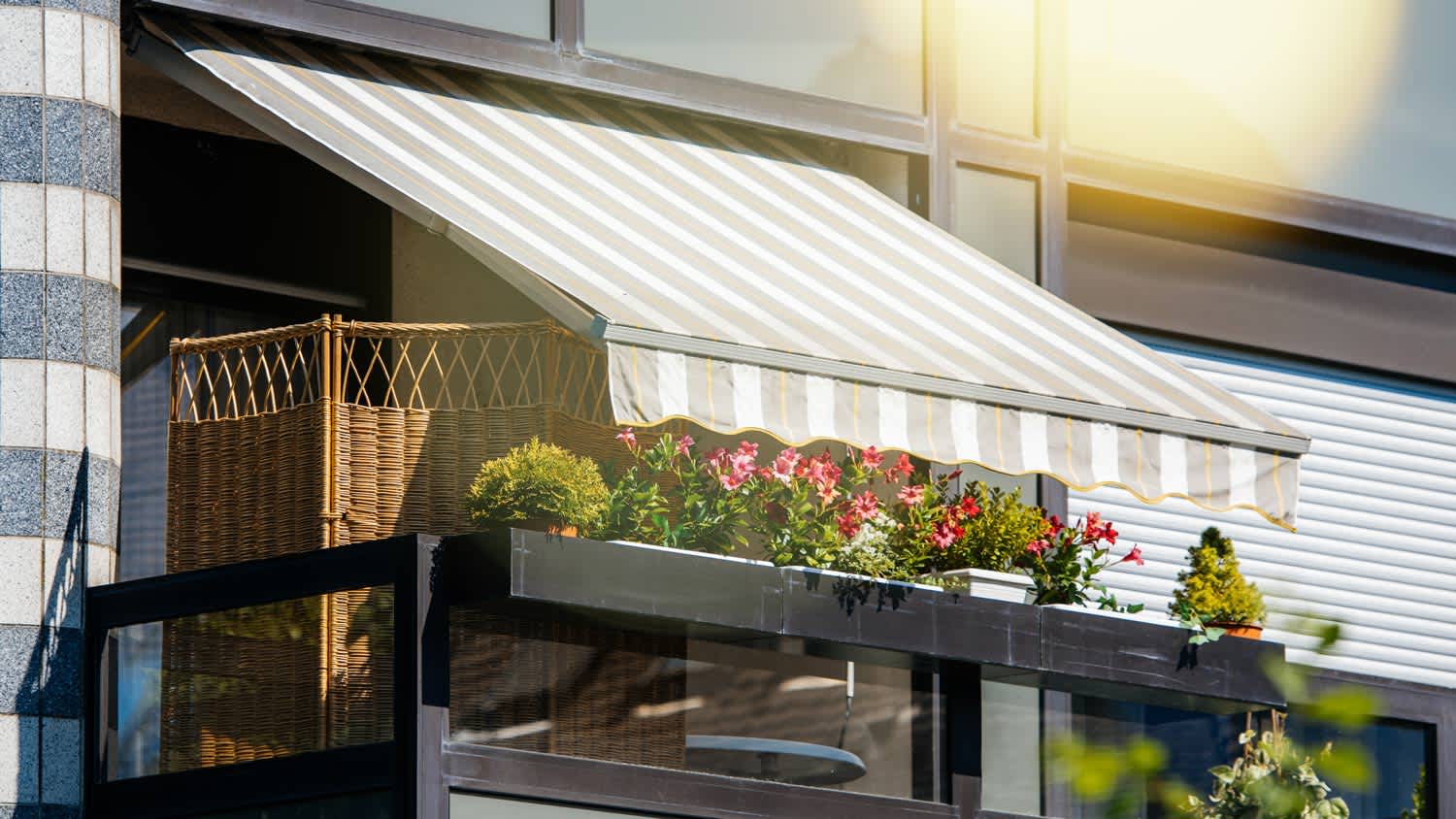
The average cost to build a pergola ranges from $2,200 to $6,400, whereas the average cost of an awning ranges from $1,400 to $4,400, meaning that an awning tends to be less expensive to build or install than a pergola. Ultimately, the less expensive option depends on a few factors, including size, quality of materials used, and location.
Hurricane fabric is a temporary form of hurricane protection that offers an alternative to boarding up windows or installing traditional storm panels. It is installed over windows, doors, and other openings before a storm. When installed properly, hurricane fabric is tested and proven to protect homes from Category 5 hurricanes, which can have winds over 157 miles per hour. It is intended to block the majority of wind and rain and protect against water, debris, and projectile damage. While the fabric is exceptionally durable, windows can still break if hit directly by high-velocity debris. Compared to other options, hurricane fabric is more protective than hurricane window film. Boarding up windows is more labor-intensive and requires storing heavy plywood, while hurricane screens are permanently attached to your home. To further increase protection, you can take additional steps like securing outdoor items and fortifying your home's foundation.
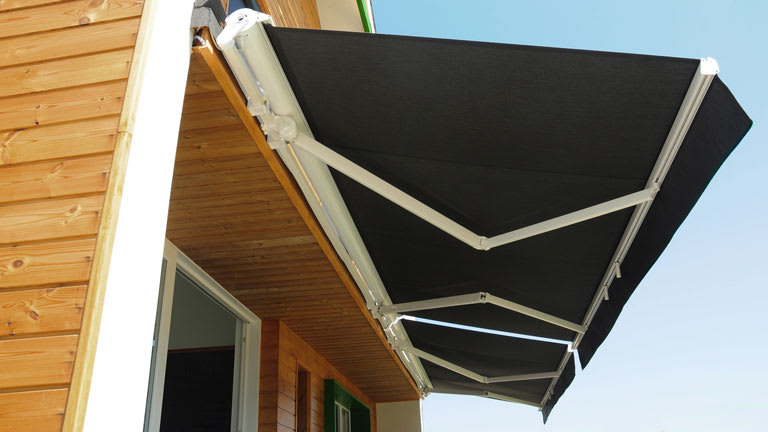
If you're handy, it might be worth trying to install retractable awnings yourself. Just keep in mind that motorized retractable awnings require much more know-how, and the risk of something costly going wrong (such as damaging your new awnings) is higher.
Mechanical awnings should be easy to install for the average person with some handyman skills.
Yes, you can replace just the fabric on an awning without having to replace the entire awning frame and hardware. This process will take a professional about one to two hours. If you want to DIY, it could take longer, especially for large or retractable awnings. Replacing the fabric on an awning can improve the look of your home and help naturally cool your interior and exterior spaces.
Yes, you can install an awning yourself, and it can be an excellent DIY project with immediate benefits. This is most feasible for smaller, pre-assembled units. However, awnings are often heavy and awkward for one person to handle, so you should always have at least one helper. If you have difficulty lifting heavy objects, professional installation is recommended to ensure proper mounting and durability.
The Tyler, MN homeowners’ guide to patio cover services
From average costs to expert advice, get all the answers you need to get your job done.
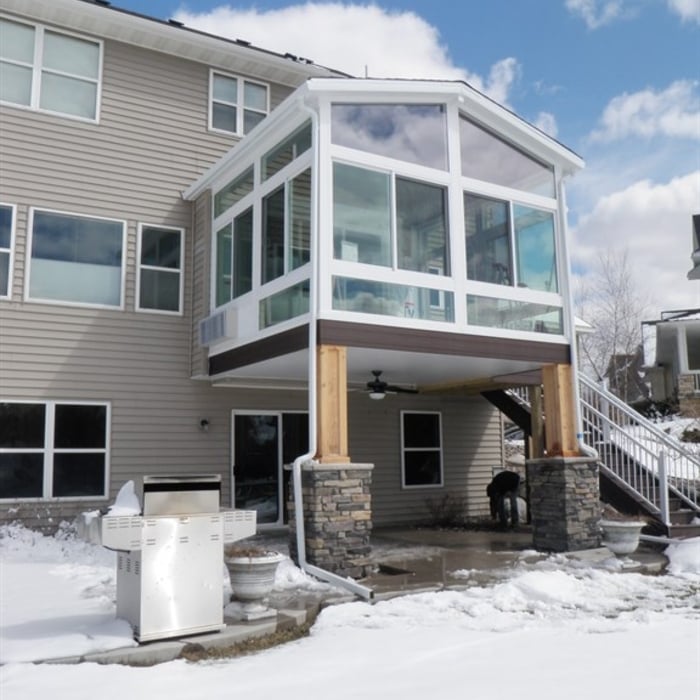
In the market for some summer sun covers or looking to expand your indoor living space? Patio covers are the key to keeping cool while enjoying the outdoors.
Protect your patio furniture all year long from UV rays, moisture, mildew, dirt, and wind with these seven easy-to-follow tips, and enjoy lasting protection.