

Top-rated patio cover pros.

Get matched with top patio cover pros in Solway, MN

Enter your zip and get matched with up to 5 pros

Need a pro for your patio cover service project in Solway, MN?

Select your specific project to find the pro for you.

Find Patio cover pros in Solway

Avatar for Garden Structures & More
Garden Structures & More
4.6(
73
)
Fabric Awning or Patio Cover - Install or ReplaceFabric Awning or Patio Cover - RepairMetal Awning or Patio Cover - Install or Replace+1 more

Serving Solway, MN and surrounding areas

In business since 1998

Free estimates

Emergency services offered

"I found him hard to work with (e.g. doesn't listen, pushy about doing it his way.) I was really hesitant after the estimate but he just kept pushing about it and I didn't have any other options - but I was sorry afterwards. I don't really like it, the quality doesn't seem great - but most important, it's not level. Drives me crazy and looks bad - just three panels and it's not level! Makes me nuts looking at it - feels like I threw my money away."
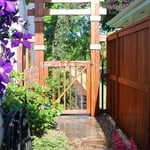
Additional Photos
Additional Photos
Additional Photos
Additional Photos
Additional Photos

+10

Recommended by95%of homeowners
Patio Covers questions, answered by experts

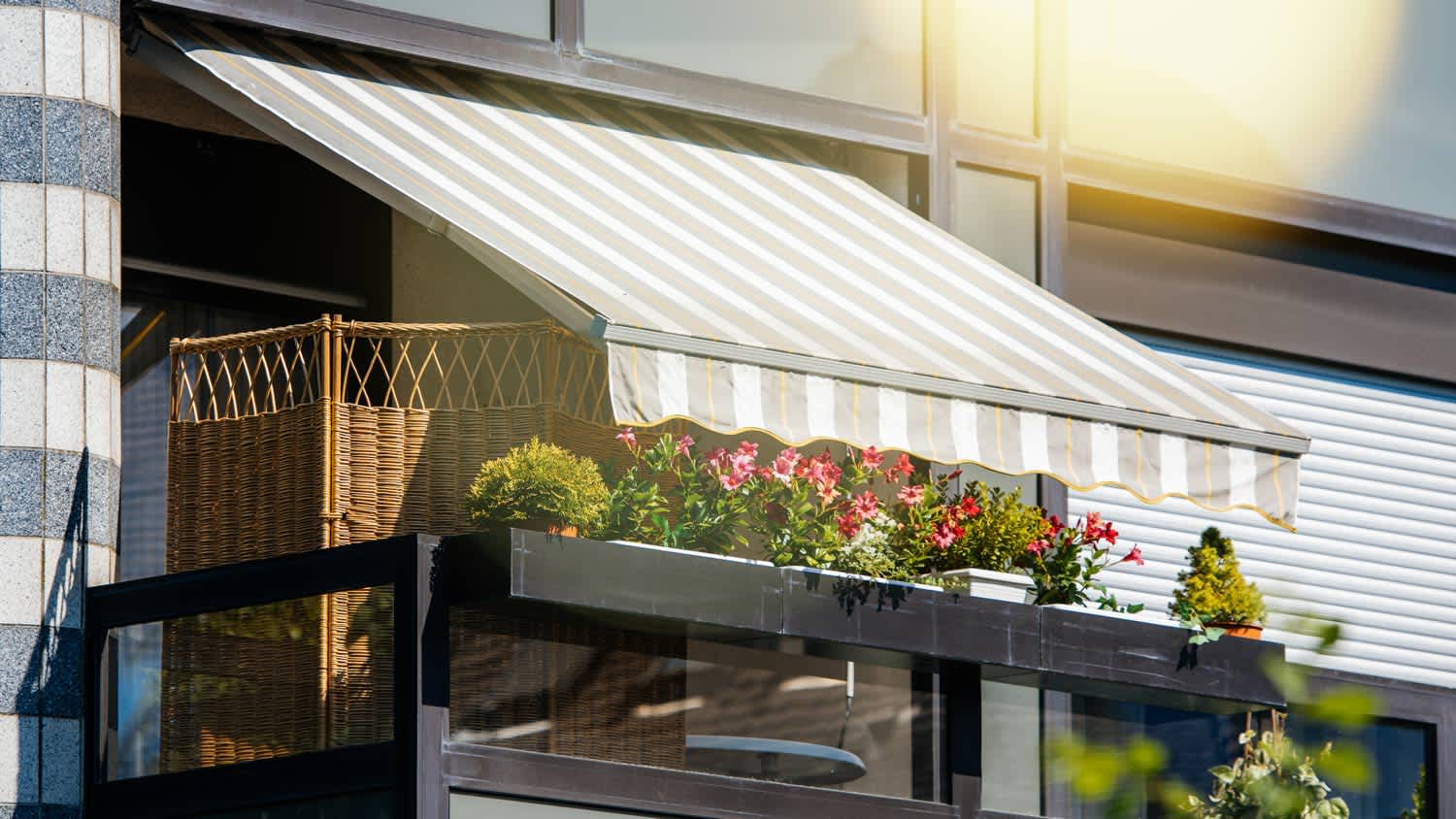
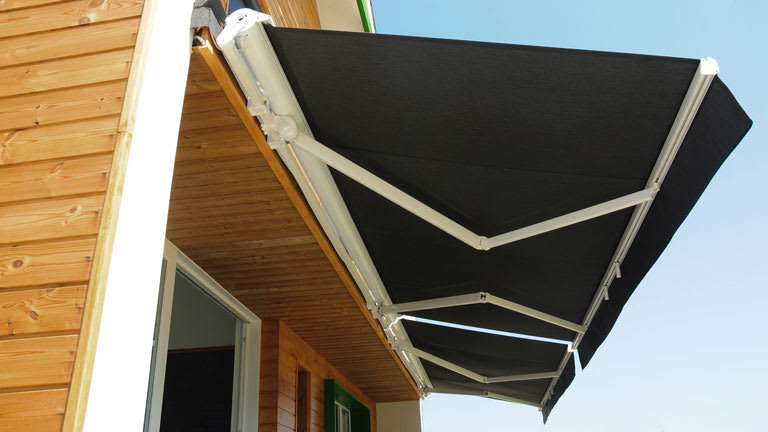
On average, awning costs range from $1,400 to $4,400. The low end of the cost range can be around $100 up to $7,500 on the high end. Cost factors include the type of awning, size, and location. Portable awnings are the most affordable and DIY-friendly to install, costing $100 to $400. Larger, motorized awnings tend to be more solidly built, ranging in price from $2,000 to $3,500.

There are many materials to choose from, including picket fencing, wood slats, galvanized metal skirting, dog-ear fence panels, scallop wood fence panels, bamboo screens, and other decorative screens. You can search for materials at local big box stores like Home Depot or scour online home improvement sites. Good search terms to use are fencing, skirting, and privacy panels.

The longest-lasting awning materials include vinyl, polycarbonate, and polyester for their durability and cleanability. Other materials like canvas and metal can last a long time, but may wear out faster. The key to getting the longest life from your awning material is to maintain it properly by cleaning yearly, keeping debris from gathering on it, and protecting it during stormy weather or high winds by retracting it or moving it to a protected area.

It’s best to keep your awning retracted if winds are 25 miles per hour or more to make sure your awning doesn’t sustain irreparable damage due to wind. Some awnings can take winds up to 30 miles per hour without any damage, but it’s best to consult the manufacturer’s guidance. A good rule of thumb is if it’s too windy for you to comfortably stand outside, it’s time to bring the awning in.

Awnings offer a variety of materials to choose from, each of which has its own benefits. Cotton is a lower-cost option that’s also more eco-friendly because it’s made from natural materials, while acrylic-coated polyester and vinyl offer better durability against harsh weather. Fiberglass and metal are also resilient to weather, although metal can be vulnerable to corrosion without protective sealant. Ultimately, you’ll need to consider your climate and your budget in deciding the best material for your awning.

The Solway, MN homeowners’ guide to patio cover services

From average costs to expert advice, get all the answers you need to get your job done.