Since 1932, Presto-X (formerly Anderson Pest Solutions) has been providing expert pest control services guided by the enduring principles of providing world class service to our customers and taking care of our colleagues. Presto-X covers your home or business with expert knowledge, professionally licensed and trained technicians, and exemplary service designed specifically for you.
It's advisable to avoid using harmful methods to eliminate birds. Poisoning birds is inhumane and can have unintended ecological consequences, affecting other wildlife and pets. Similarly, using firearms or other lethal means poses safety risks and could be illegal in many areas. Sticky substances like adhesives can cause birds to become trapped and injured. Lastly, playing excessively loud or distressing noises can stress birds and humans. Focusing on humane and environmentally responsible strategies is essential when dealing with bird issues.
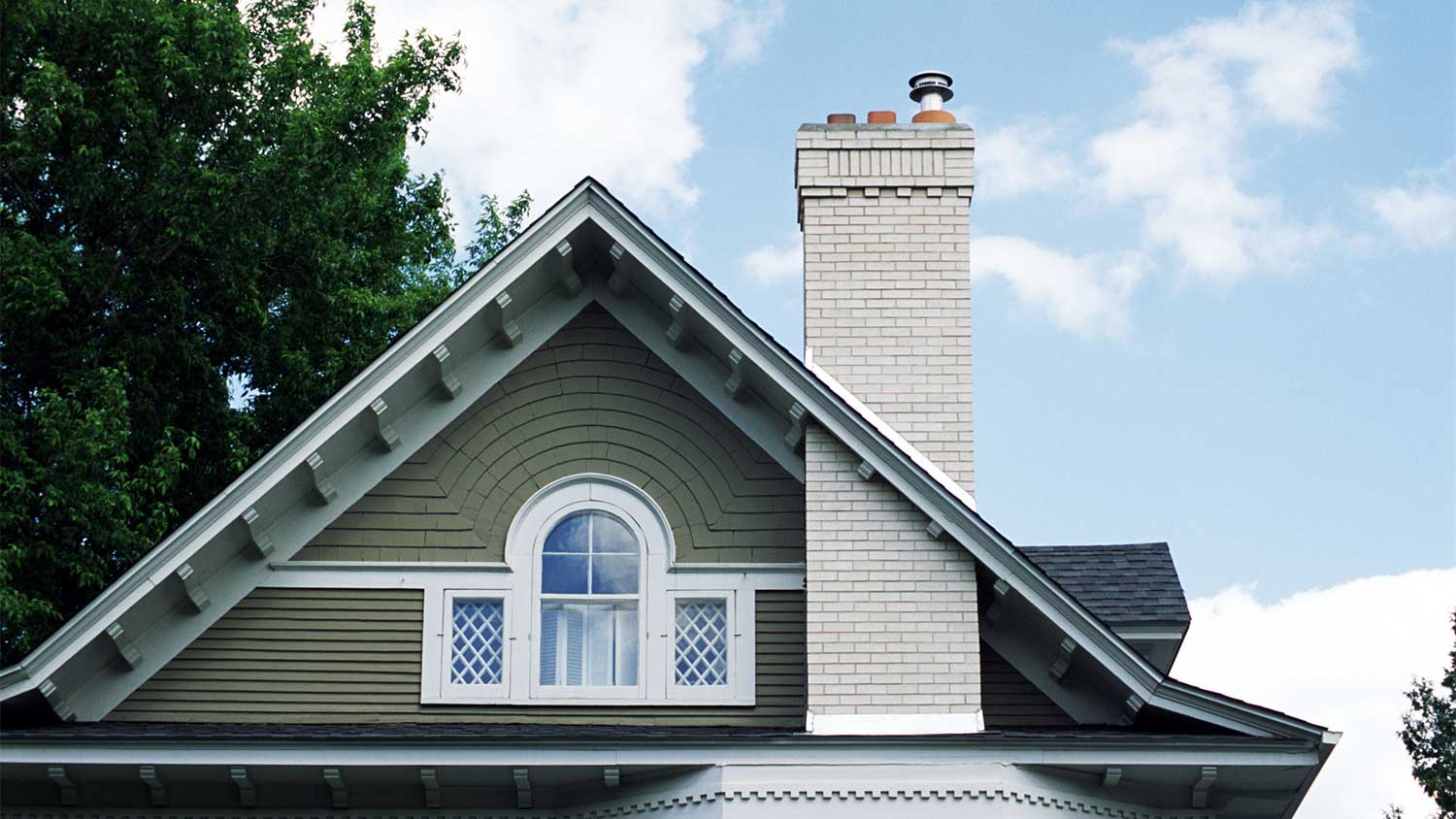
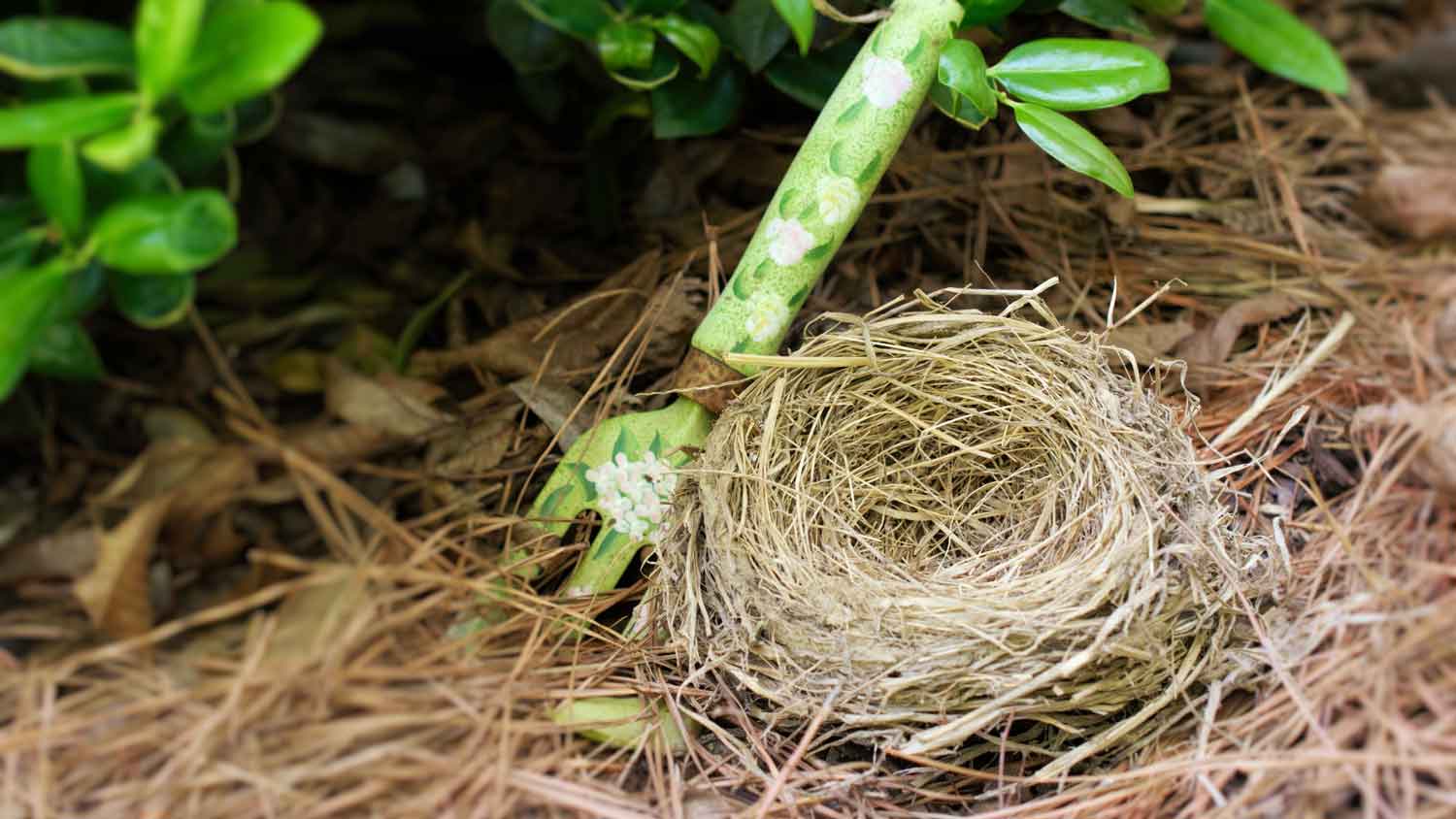
Metal coil-shaped retriever tools (around $50) help remove empty nests and debris from chimneys. Unless you are sure the nest is vacant, we recommend calling in a pro to handle bird’s nest removal from chimneys, vents, roofs, and other hard-to-reach places.
Yes, it’s possible for bats in your attic to find a way into your living spaces. Until you can properly remove the bats, the best course of action is to keep the attic doors closed and any holes sealed. Evidence suggests bats follow the airflow in your home, so they may try escaping from the attic to other parts of the house.
Woodpeckers may seek out homes with aluminum siding or tin roofs because these surfaces echo their drumming. Homes with wood siding are more frequently targeted as roosting areas or for food sources. If you have insects living in the exposed wood in your home, the birds are likely looking for a snack, in which case your best option is to hire an exterminator.
Hawks might seem like fearless predators, but these smart birds do know what other animals to be cautious around. Hawks are naturally wary of humans and predators that see them or their eggs as a potential meal or threat. This list includes owls, crows, eagles, and even snakes or raccoons.
The Randall, MN homeowners’ guide to bird control services
From average costs to expert advice, get all the answers you need to get your job done.
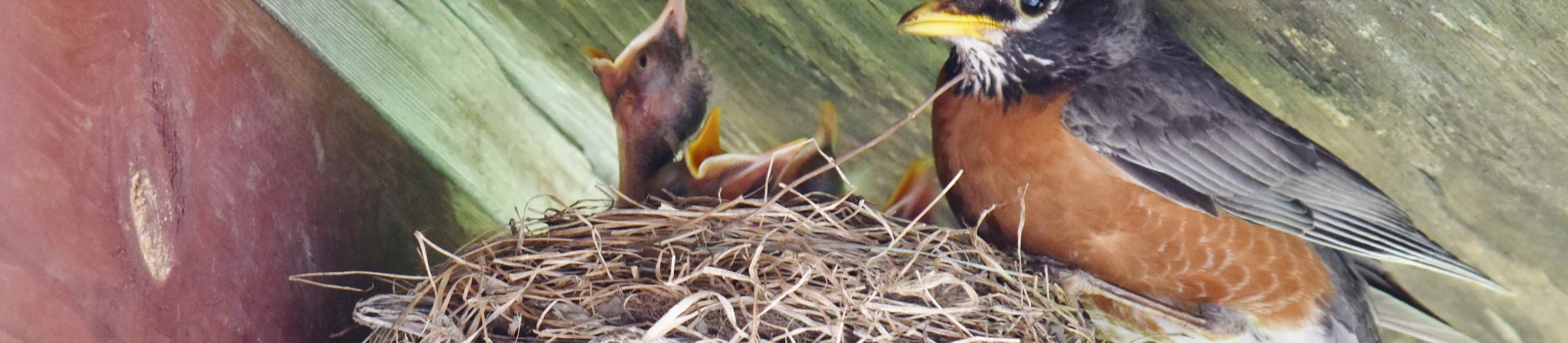
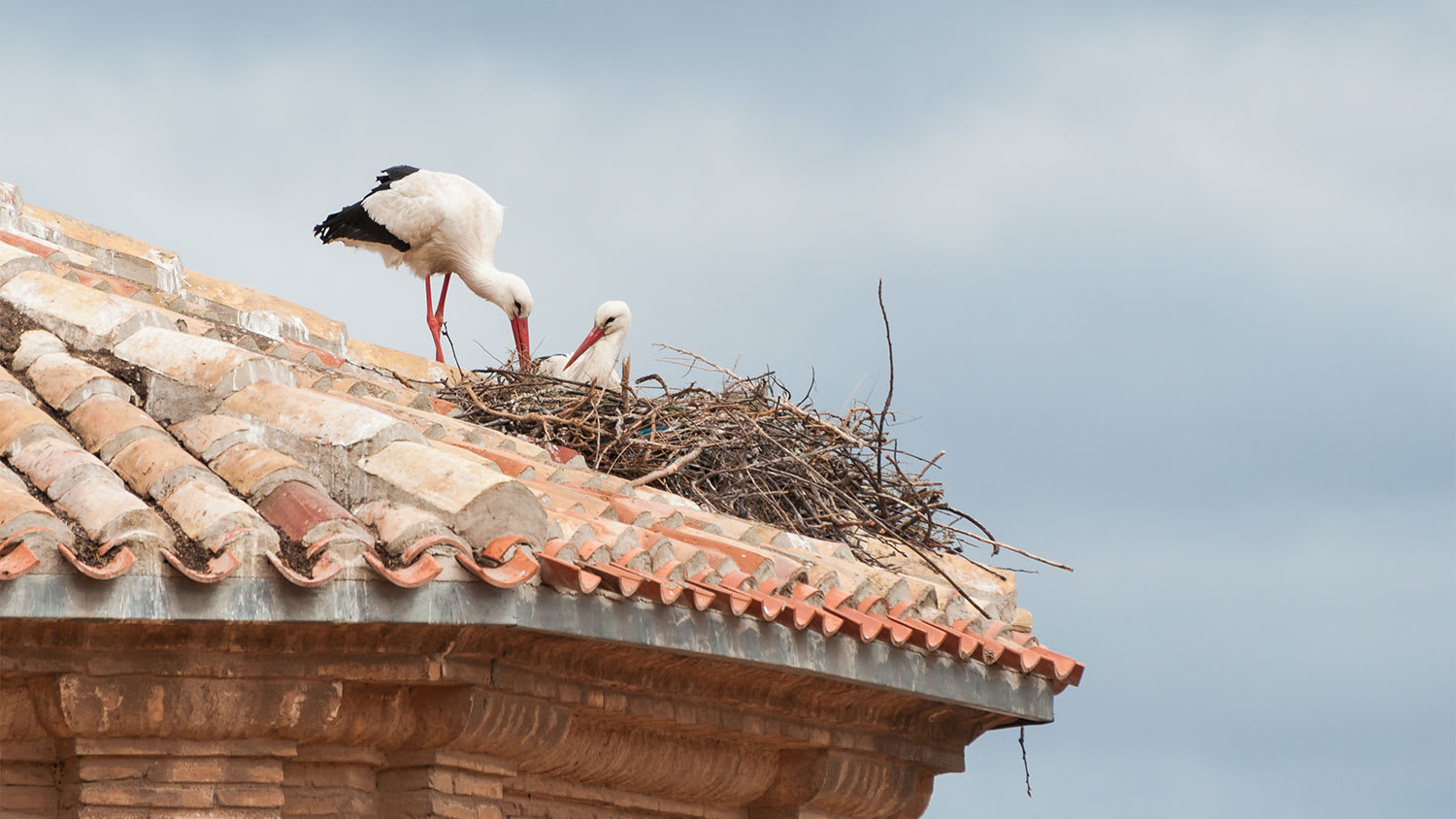
Sometimes birds nest in unwelcome places. Find out how much bird nest removal will cost based on factors like location, bird species, and preventative measures.