







Top-rated energy efficiency auditors.

Get matched with top energy efficiency auditors in Perham, MN

Enter your zip and get matched with up to 5 pros

Need a pro for your energy efficiency auditing project in Perham, MN?

Select your specific project to find the pro for you.

Find Energy efficiency auditors in Perham

Energy Efficiency Auditing questions, answered by experts

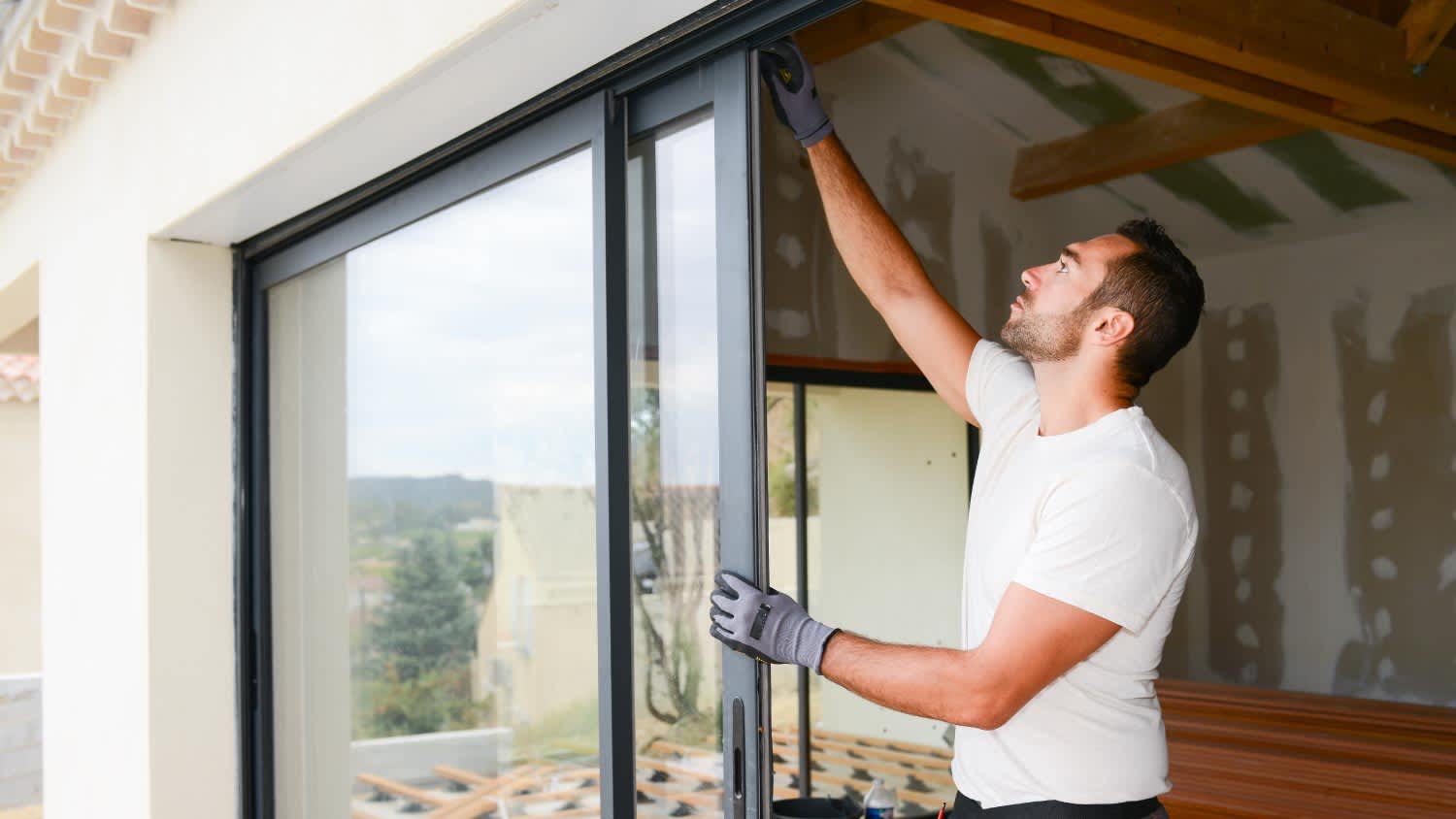
Wood windows fall in the middle of the window frame materials when it comes to energy efficiency. They’re more insulating than aluminum and vinyl, but they aren’t as efficient as fiberglass or composite frames. If you love the look and lifespan of wood windows and want to maximize efficiency, you can upgrade to double-pane or triple-pane glass and consider window tinting and low-emissivity (low-E) coatings to minimize heat transfer.

Hawaii is currently rated as the most expensive state for utilities. How much are utilities for a house in Hawaii? With electricity costs in Hawaii totaling nearly 42 cents per kilowatt-hour, residents are paying more to run their households than any other residents. Electricity costs in Hawaii are so high, mostly due to the fact that most of the electricity available to residents is produced using oil that must be shipped in from other places.

Solar water heating systems are not one-size-fits-all. You'll likely work with a team of experts to get the job done—including solar panel installers, plumbers, and water heater installers. A specialist will help you decide if a passive or active system is best for your local weather, home layout, roof stability, and your budget.

Blower door tests are measured in a few different ways, but the most popular are air changes per hour (ACH) and cubic feet of air (CFM) moving through the house per hour. A good ACH score is less than 2ACH, but 1ACH is better. This means the house experiences a total air change within 60 minutes (for 1ACH). For 2ACH, there’s a complete change every 30 minutes, and so on. CFM scores are similar in that a lower score means less air change, and therefore less leakage.

Window AC units use a fair amount of electricity, but significantly less than central AC systems. Because they are more energy-efficient for cooling individual rooms or small spaces, their usage is comparatively low. On average, a window AC unit consumes between 500 and 1,400 watts, while a central AC system uses over 3,500 watts—meaning a window unit uses about one-third of the energy. This typically translates to a monthly running cost of $15 to $40, although this can vary depending on external factors.

The Perham, MN homeowners’ guide to energy efficiency auditing services

From average costs to expert advice, get all the answers you need to get your job done.