

Top-rated excavation pros.

Best excavation pros near Paynesville, MN

Enter your zip and get matched with up to 5 pros

Need a pro for your excavation project in Paynesville, MN?

Select your specific project to find the pro for you.

Top-Rated Excavation pros in Paynesville - Updated Nov 2026

Hedstrom Excavating
New to Angi
Landscape - Minor Grading or Resloping

Serving Paynesville, MN and surrounding areas

Approved

In business since 2021

Emergency services offered

Small jobs welcome

At Hedstrom Excavating, LLC we are a locally owned and operated company that values honesty and integrity and treats your home as if it were our own. We have many years of experience to give you confidence that we are your number one choice for your next home project. You will find us to be competitively priced with close attention to the details. We look forward to building a lasting relationship and guarantee your satisfaction! \n

Response time1 day
Peterson Property Services LLC
New to Angi
Landscape - Minor Grading or Resloping

Serving Paynesville, MN and surrounding areas

Approved

Peterson Property Services LLC has years of experience in landscaping, excavation, and property improvements. We’ve completed projects ranging from shoreline work and grading to landscaping and property cleanups.\n\nWhere you can work\nBased in Spicer, MN, we serve the surrounding areas and travel for the right projects.\n\nWhat your special skills are\nSpecializing in excavation, shoreline restoration, rip rap, grading, drainage, landscaping, brush removal, and property maintenance.\n\nWhy they should hire you\nWe take pride in quality work, honest communication, and leaving every property better than we found it. No matter the size of the project, we get the job done right.

Avatar for Don Green's Dirt Service
Don Green's Dirt Service
5.0(
8
)
Building Site - Preparation and ClearingBuilding Site - Preparation and Clearing - For BusinessExcavation - Major Grading or Resloping+2 more

Serving Paynesville, MN and surrounding areas

In business since 2007

Free estimates

Credit card accepted

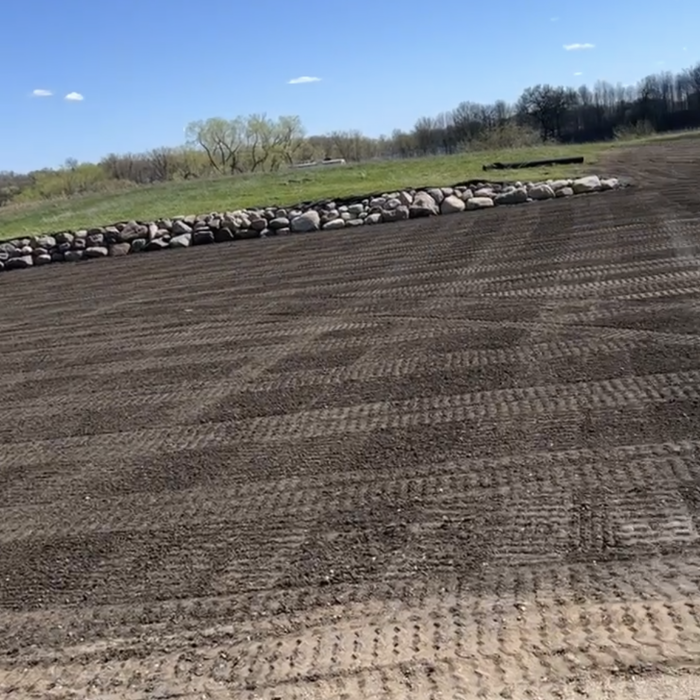
"Contacting them after seeing their ad in the Angie's List magazine. John was great to work with and he and the team did a great job. Consulted with me throughout the entire process and we're very happy with the result. Leveled and graded our backyard (~4,000 feet) and laid new sod."
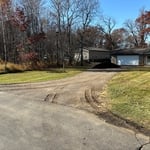
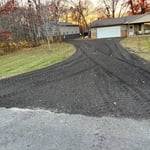
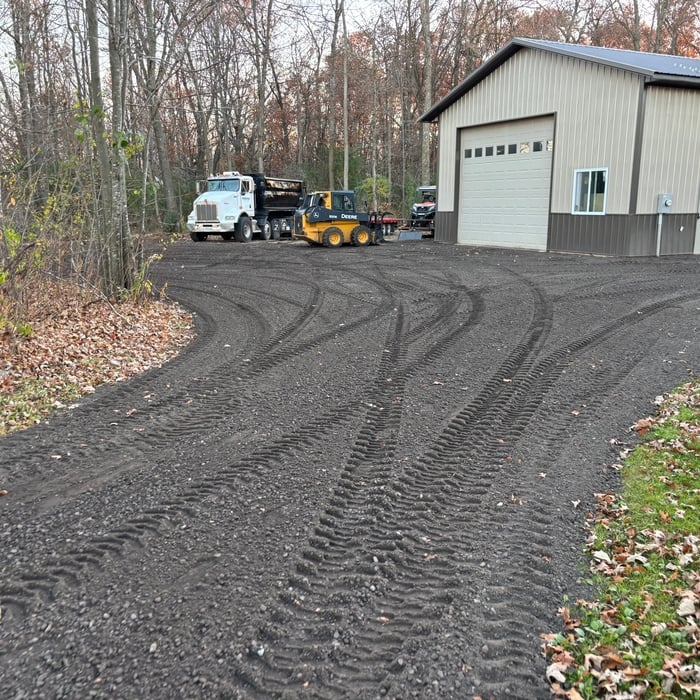
driveway
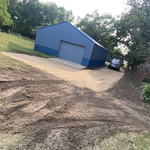
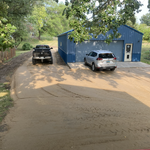
Additional Photos
Additional Photos
Additional Photos
Recommended by100%of homeowners
...
Showing 1-10 of 56
Excavating FAQs, answered by experts

After you successfully remove your boulder, you have a few options for what to do to get rid of it. You can rent a dumpster if your yard has many boulders or if you’re planning a larger project. You can even save the boulder and reuse it elsewhere on your property to save on landscaping costs. A few ideas include using the boulder as a natural, abstract statue, breaking it into smaller pieces to line your garden bed, or offering it to a landscaping company that could reuse it for another project.

Professional installers often include a deep layer of crushed gravel under permeable pavers to allow more runoff to soak through into the soil below. Many installations will include multiple layers of gravel, with coarser aggregate at the base and finer aggregate that sits on top of that bottom layer. Above the gravel, you’ll often find coarse sand that helps reduce paver shifting over time. Some permeable paver designs include a water collection system set into the gravel layer to route runoff to a safe area for disposal.

Trenching and boring are two distinct methods for installing underground utilities. Trenching involves digging a channel using equipment like an excavator, trencher, backhoe, or shovel. While it is a simpler process, it causes significant disruption to the surface, landscaping, and surrounding ecosystems.

Boring, also known as directional boring, is a less invasive alternative that uses a drill to create a tunnel for utility lines without disturbing the surface. This method is more precise and is ideal for installations that need to go underneath buildings, roads, or bodies of water. Although boring is less disruptive, it is generally more expensive than trenching.

A trench that is less than 5 feet deep often doesn't require a protective system. Most residential trenches will not go this deep (the typical residential drainage trench is just 18 inches deep). In the event that an excavator needs to dig more than 5 feet beneath the surface, a protective system is required unless the excavation is in entirely stable rock.

Depth is not a qualifying component of evacuation. Any human-made cut, cavity, or depression in the earth’s surface is considered excavation. The hole from excavation can be any size, shape, or depth. Excavation is used to create foundations, reservoirs, drainage ditches, and roads. Long, narrow excavations are called trenches and are often used for underground utilities.

The Paynesville, MN homeowners’ guide to excavation services

From average costs to expert advice, get all the answers you need to get your job done.