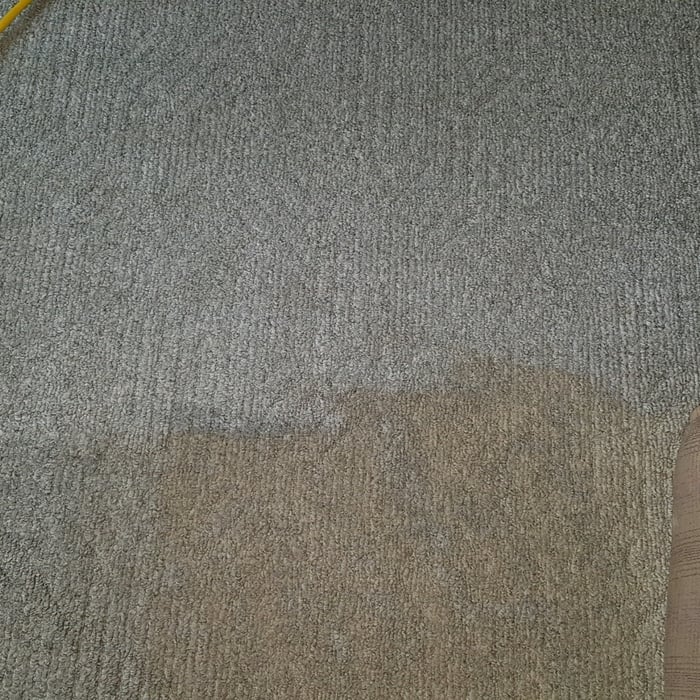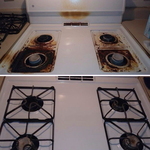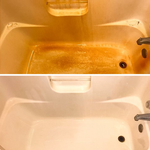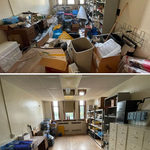




Top-rated sonic cleaning pros.

Get matched with top sonic cleaning pros in Ogema, MN

Enter your zip and get matched with up to 5 pros

Need a pro for your sonic cleaning project in Ogema, MN?

Select your specific project to find the pro for you.

Find Sonic cleaning pros in Ogema

Showing 1-10 of 49
Sonic Cleaning questions, answered by experts

While removing every snowflake from your roof is unnecessary, you should remove a significant buildup of snow. Since snow is wet and heavy, it can easily cause damage to your roof, which can lead to needing costly repairs. 

Additionally, when the snow melts but has nowhere to go and refreezes, it can create an ice dam, causing mold concerns due to water leaking into your attic and ceiling. For these reasons, it’s best to hire a snow removal professional to clear heavy snowfall from your roof as soon as possible.

You should clean your panels at least twice a year. It depends on your location. In dusty climates (think the Arizona desert), you may need to clean your panels more frequently. Dust can dramatically impact the electrical output. If you live in a climate with extreme weather, you may want to check your panels seasonally.

It may require stronger cleansers or chemicals, higher-pressure spray, or scrubbing to completely remove algae from a metal roof. Start with a mild cleanser; if that doesn’t work and you're comfortable doing so, use a stronger mix of ⅓ cup of laundry detergent, 1 quart of bleach, and 3 quarts of water to gently scrub the algae with a soft-bristled brush. If algae is present across large portions of your roof, doesn’t come off with gentle scrubbing and cleansers, or is in hard-to-reach areas, this may be a job better left to a pro.

You should avoid using a pressure washer on any surface or item that could be damaged by the high-pressure spray, as some materials are too delicate to withstand the force.

Key items and surfaces to avoid include:

  • Electrical Components: Never pressure wash electrical systems, as water can cause short-circuits and create a safety hazard. This includes utility meters, breaker boxes, electrical outlets, generators, and HVAC or air conditioner units.

  • Delicate and Fragile Materials: Fragile items can crack, shatter, or be stripped by the pressure. Avoid pressure washing windows, glass, light fixtures, shingled roofs (especially asphalt), and stucco.

  • Painted, Stained, or Sealed Surfaces: Unless your goal is to strip the finish, do not pressure wash painted surfaces, stained wood (like decks), or anything with a protective seal that could be stripped away. Be especially cautious with older surfaces that may contain lead paint.

  • Soft Woods and Certain Decking: Delicate surfaces like softwood, composite decking, and antique or wooden patio furniture can be etched or damaged. If you must wash wood, use a lower-powered pressure washer with a wide-angle nozzle to prevent damage.

  • Living Things: Never use a pressure washer on people, pets, or plants. The force can cause serious injury and will destroy landscaping.

Yes, gable vents can let water in. That being said, this usually only occurs during extreme conditions like heavy rainfall. You can prevent water from entering through gable vents by adding a screen that traps the water before it can enter.

The Ogema, MN homeowners’ guide to sonic cleaning services

From average costs to expert advice, get all the answers you need to get your job done.