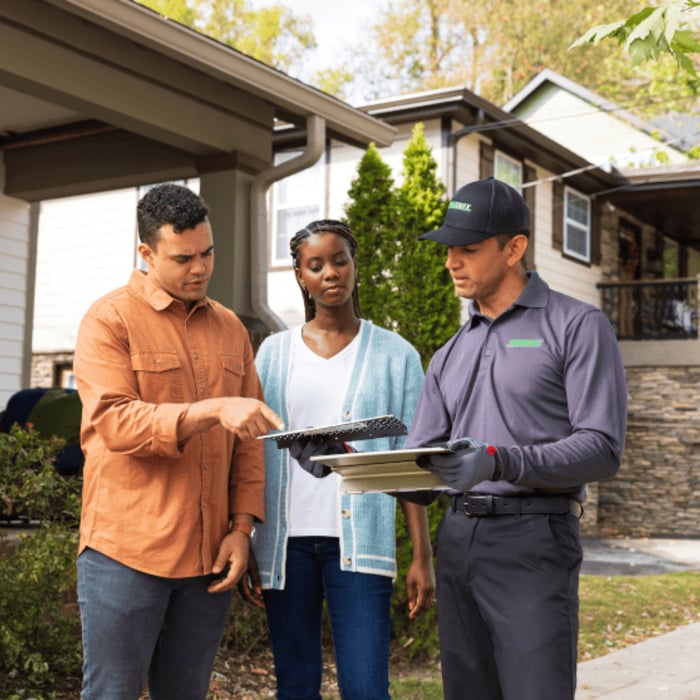
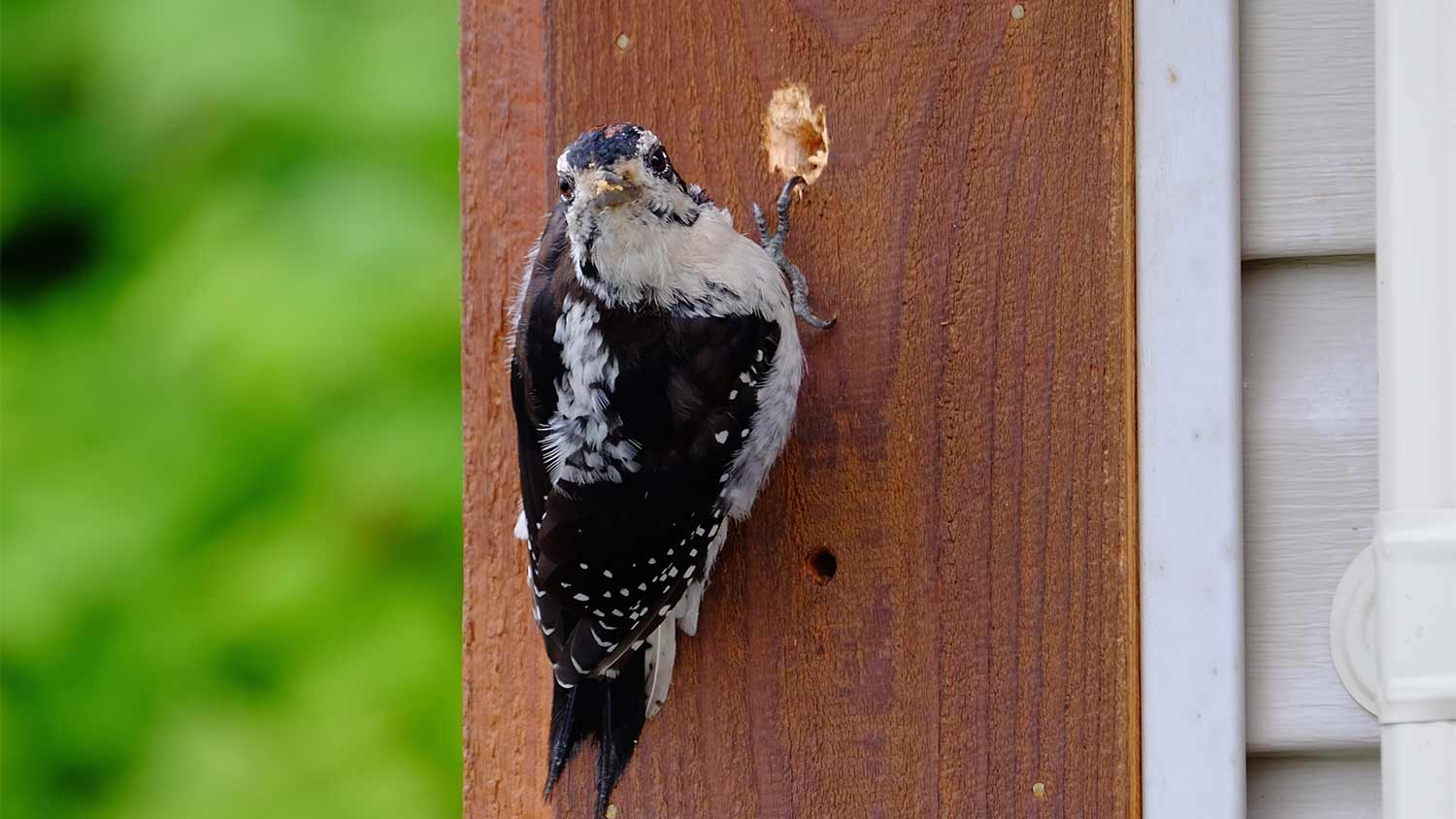
Since 1932, Presto-X has been providing expert pest control services guided by the enduring principles of providing world class service to our customers and taking care of our colleagues. Presto-X covers your home or business with expert knowledge, professionally licensed and trained technicians, and exemplary service designed specifically for you.
Removal typically takes 1-3 days. Sealing entry points and cleanup may require additional time.
High-frequency bird repellent devices are effective at driving away birds, which is their intended purpose. However, these devices also tend to have unintended negative consequences. For example, if you or your neighbors own pets, the high-pitched noise emitted by these electronic devices will cause them distress and may even make them aggressive.
Animal removal specialists specialize in removing critters and wildlife from in and around your home. These include:
Bats
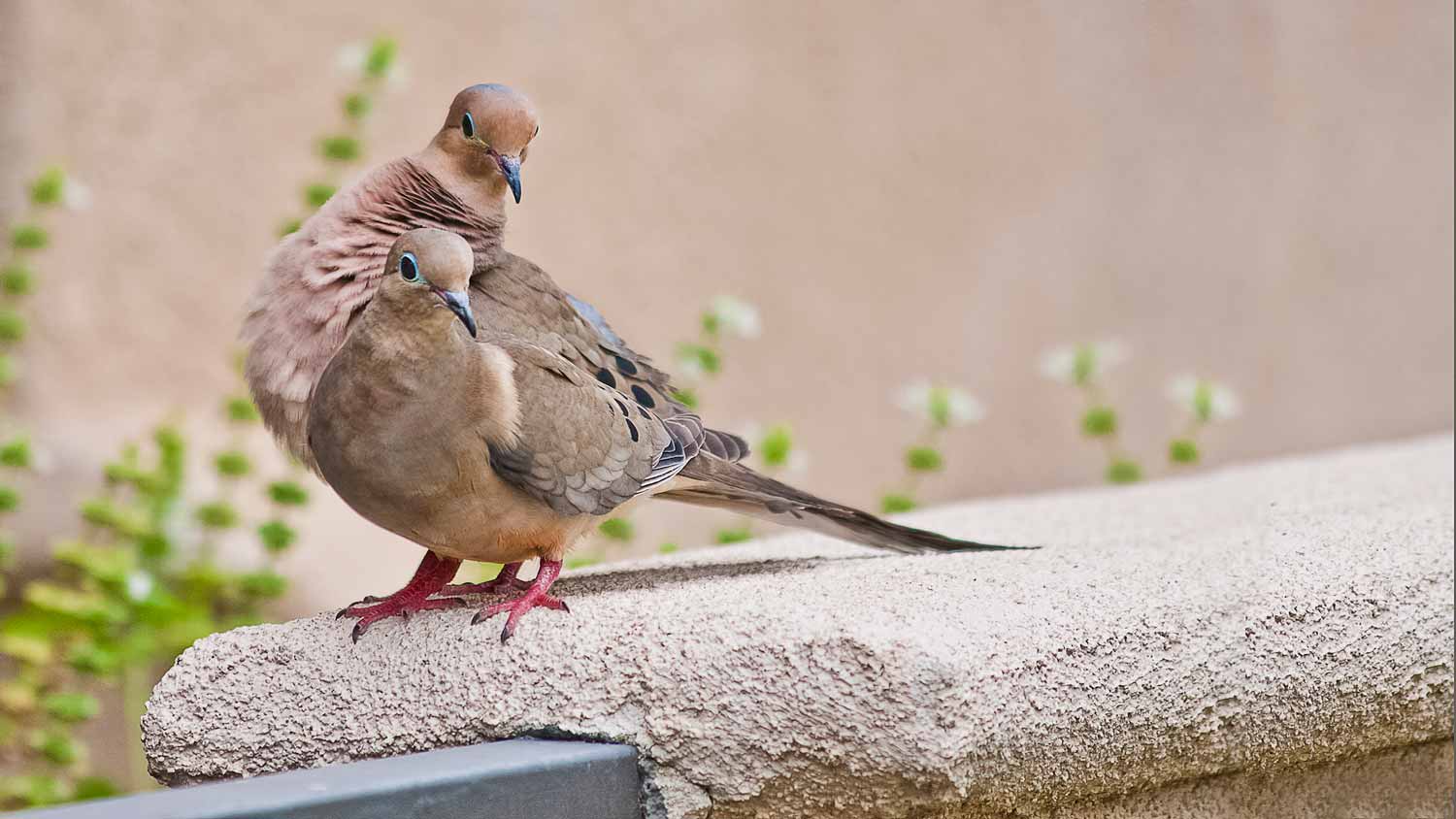
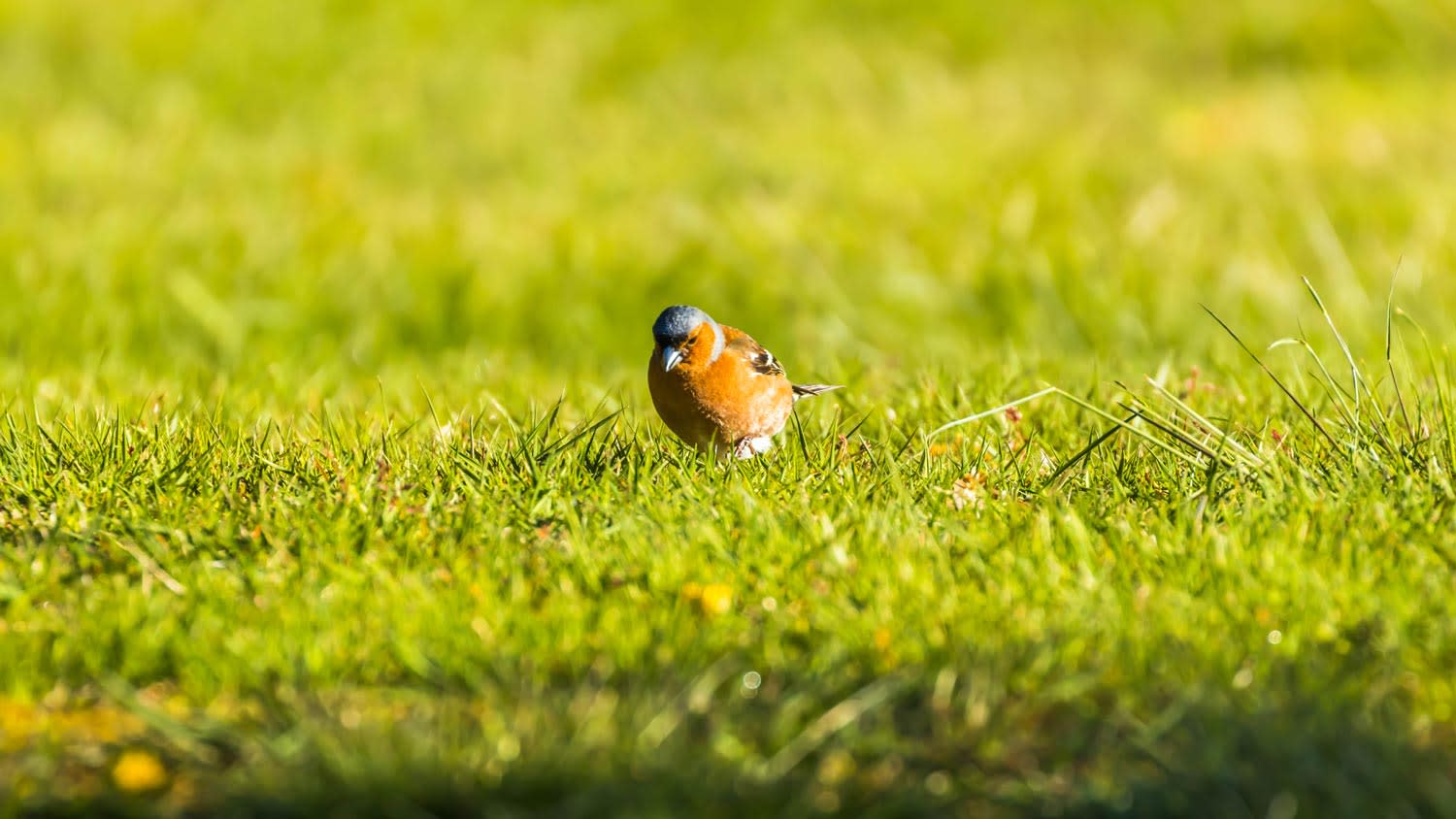
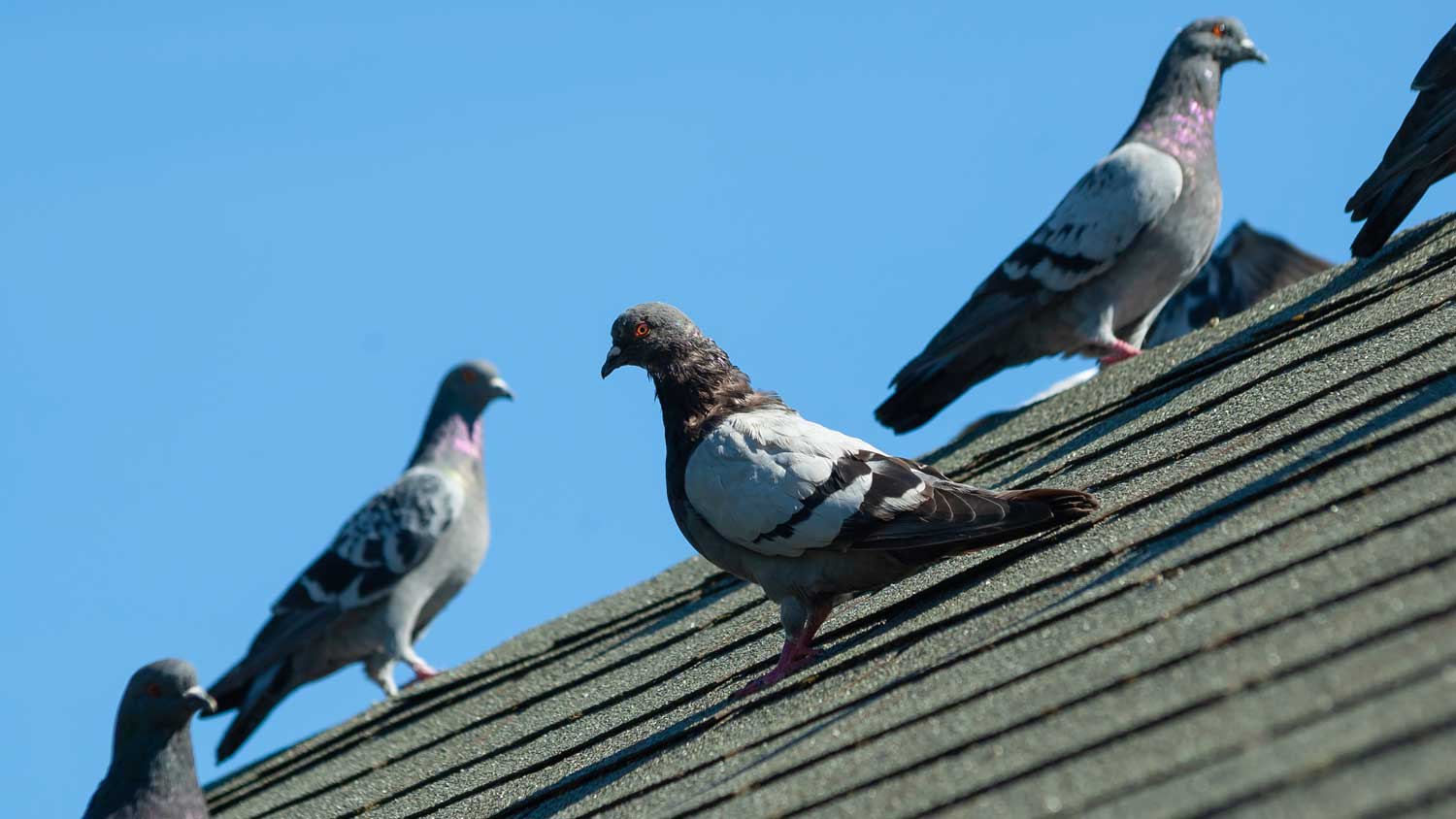
Birds
Groundhogs
Moles and voles
Opossums
Mice and rats
Raccoons
Skunks
Squirrels
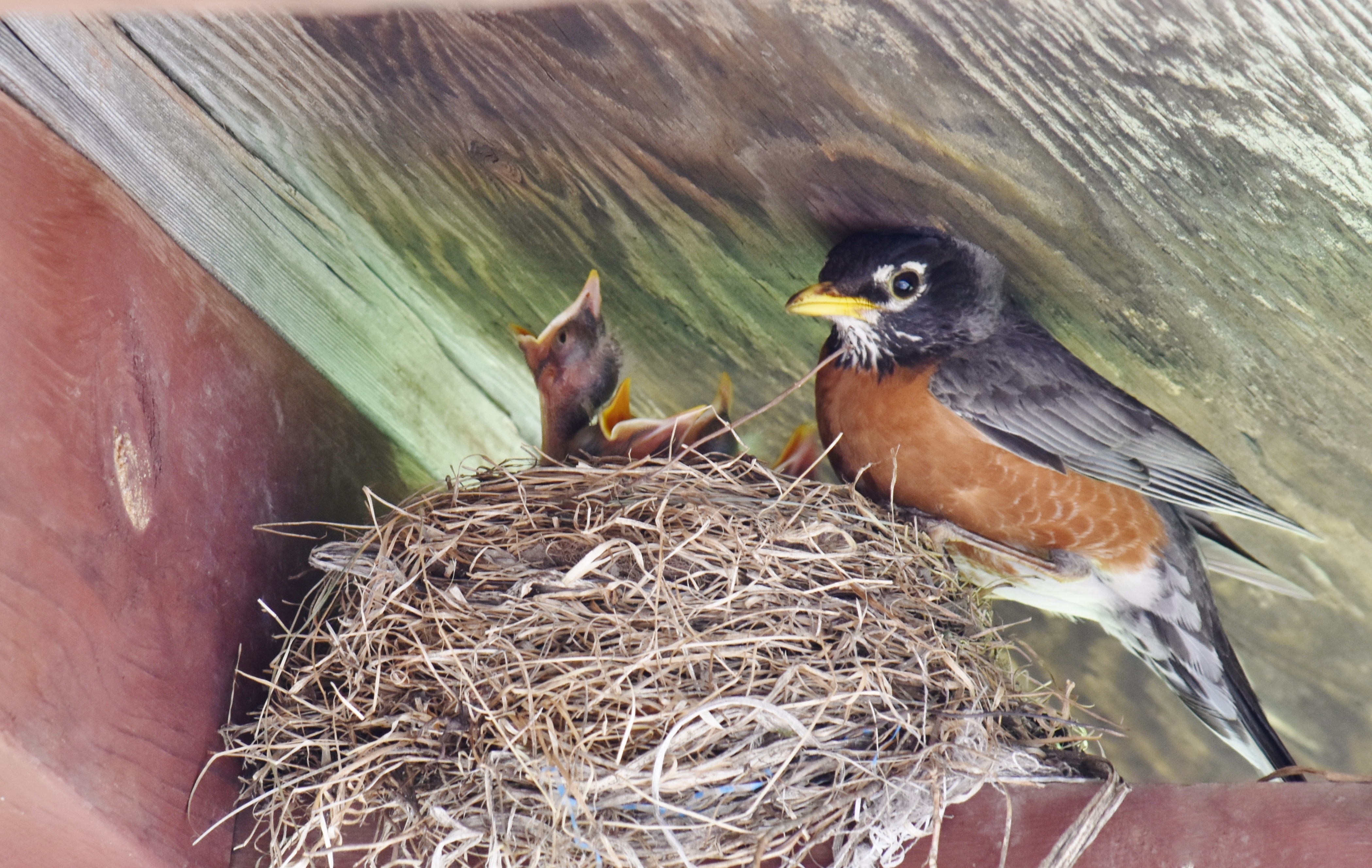
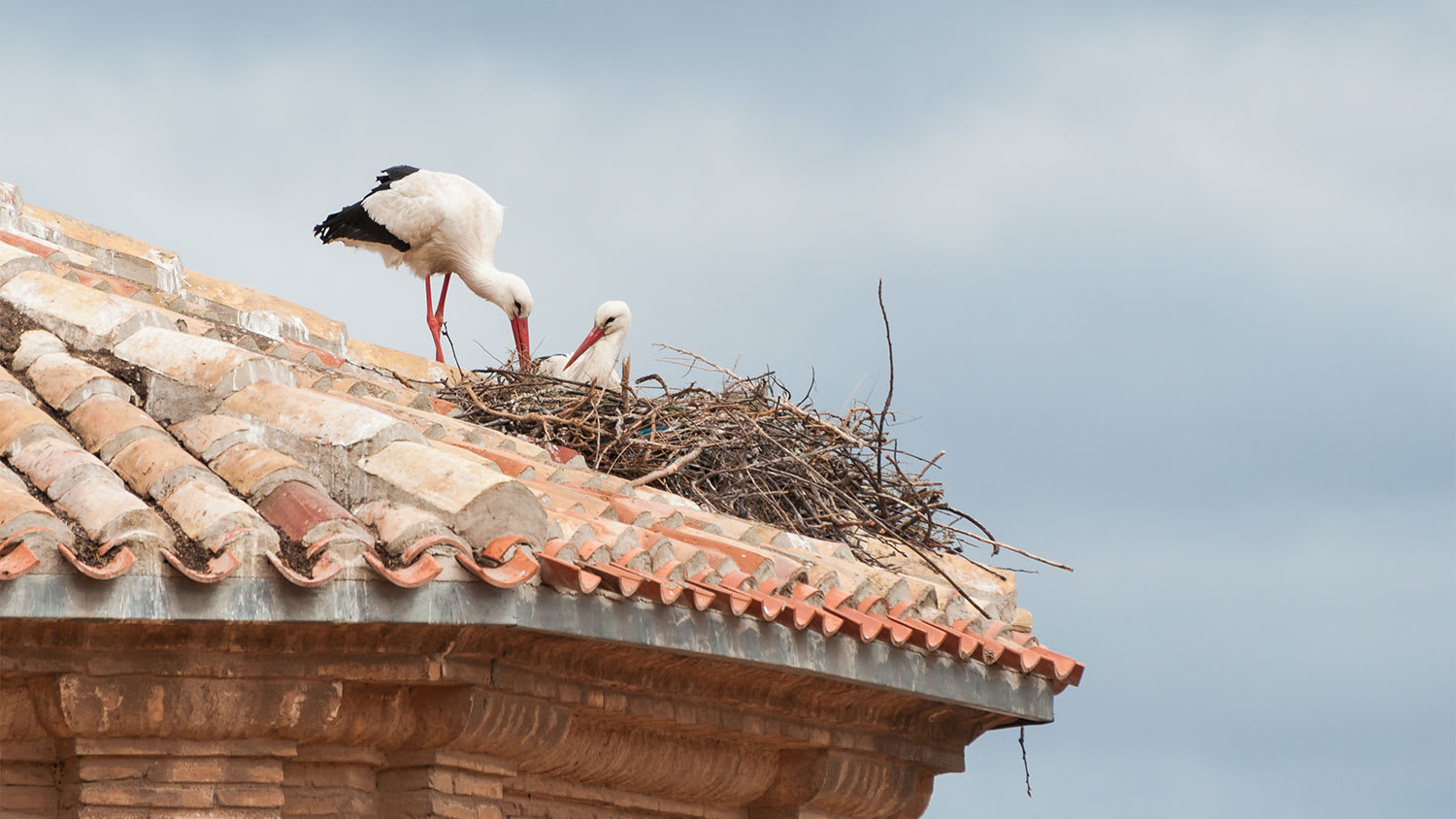
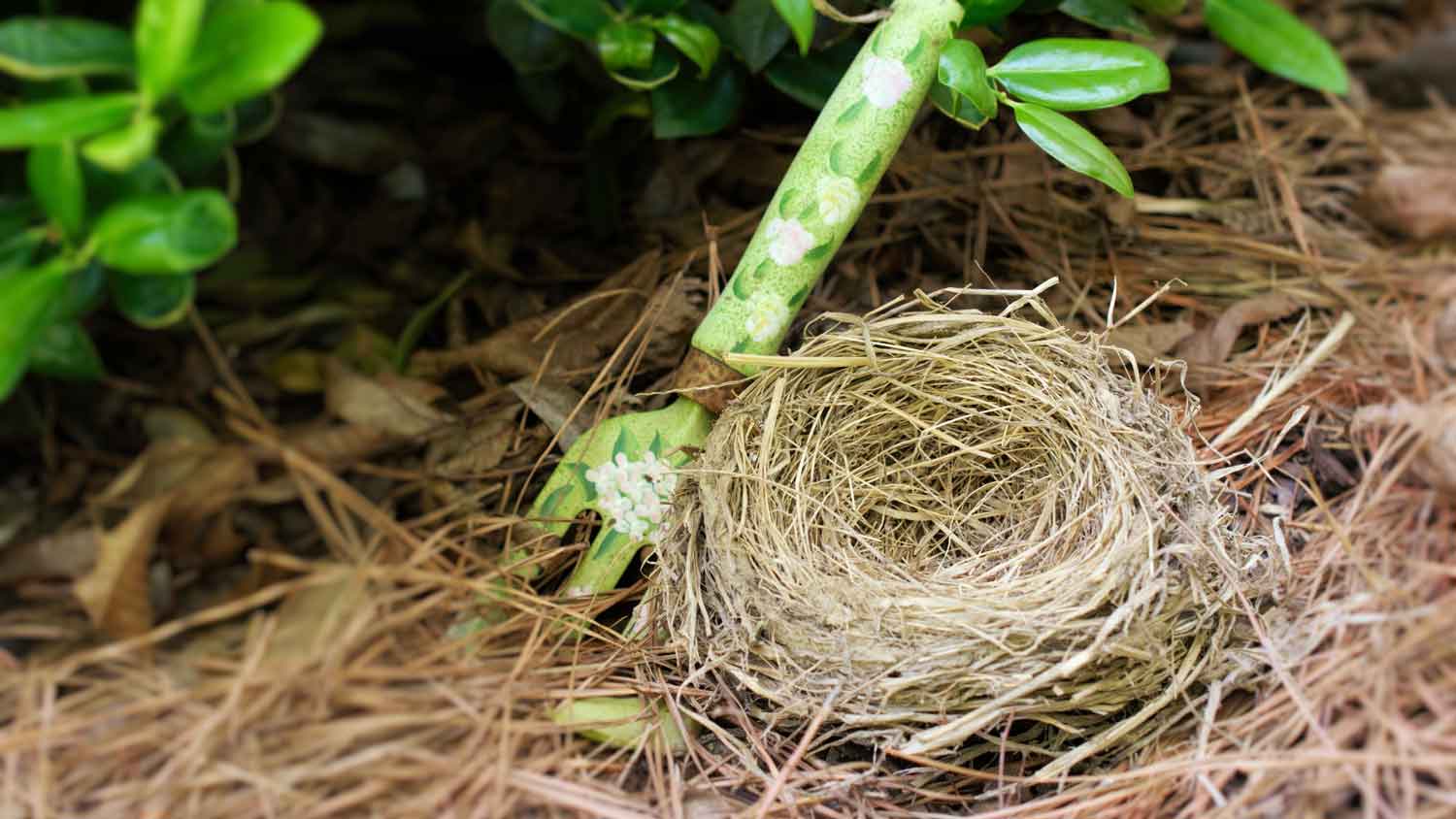
The specialist's method to remove these critters will depend on the animal. For example, groundhogs will be live-trapped and relocated, whereas, for birds, the expert will remove and discard the inactive nest and sanitize the area.
Costs depend on infestation severity, business size, treatment type, and frequency of service.
The cost for bird and bat control services typically ranges from $300 to $1,000. The final price depends on several factors, including the size and severity of the infestation, the specific removal method used, and the complexity of accessing the affected areas.
The Medford, MN homeowners’ guide to bird control services
From average costs to expert advice, get all the answers you need to get your job done.
Sometimes birds nest in unwelcome places. Find out how much bird nest removal will cost based on factors like location, bird species, and preventative measures.