Top-rated energy efficiency auditors.

Best energy efficiency auditors near Mazeppa, MN

Enter your zip and get matched with up to 5 pros

Need a pro for your energy efficiency auditing project in Mazeppa, MN?

Select your specific project to find the pro for you.

Top-Rated Energy efficiency auditors in Mazeppa - Updated Nov 2026

Energy Efficiency Auditing FAQs, answered by experts

To determine the right size generator for your house, you should calculate the total wattage of the appliances and devices you want to power during an outage. List all essential items, note their start-up wattages, and add them together.

Here are some typical wattage requirements for common appliances:

  • Refrigerator: 600 watts

  • Large dehumidifier: 700 watts

  • Large window air conditioner: 1,400 watts

  • Water heater: 3,000 to 4,500 watts

  • Electric furnace: 5,000 to 25,000 watts

A 7,500-watt generator might be sufficient for essentials like a refrigerator, freezer, well pump, and lighting circuits. However, for high-demand items like a water heater or furnace, a whole-home generator is a better choice. A portable generator may be enough if you only need to power a few critical items.

While home square footage can offer a rough estimate, it is not always a reliable indicator. For reference, here are some typical generator sizes based on square footage:

  • 1,000 sq ft: 6–9 kW

  • 1,500 sq ft: 7–10 kW

  • 2,000 sq ft: 10–14 kW

  • 2,500 sq ft: 12–16 kW

  • 3,000 sq ft: 16–20 kW+

For the most accurate sizing, consult a professional who can calculate your home's peak and average power consumption and recommend the optimal generator.
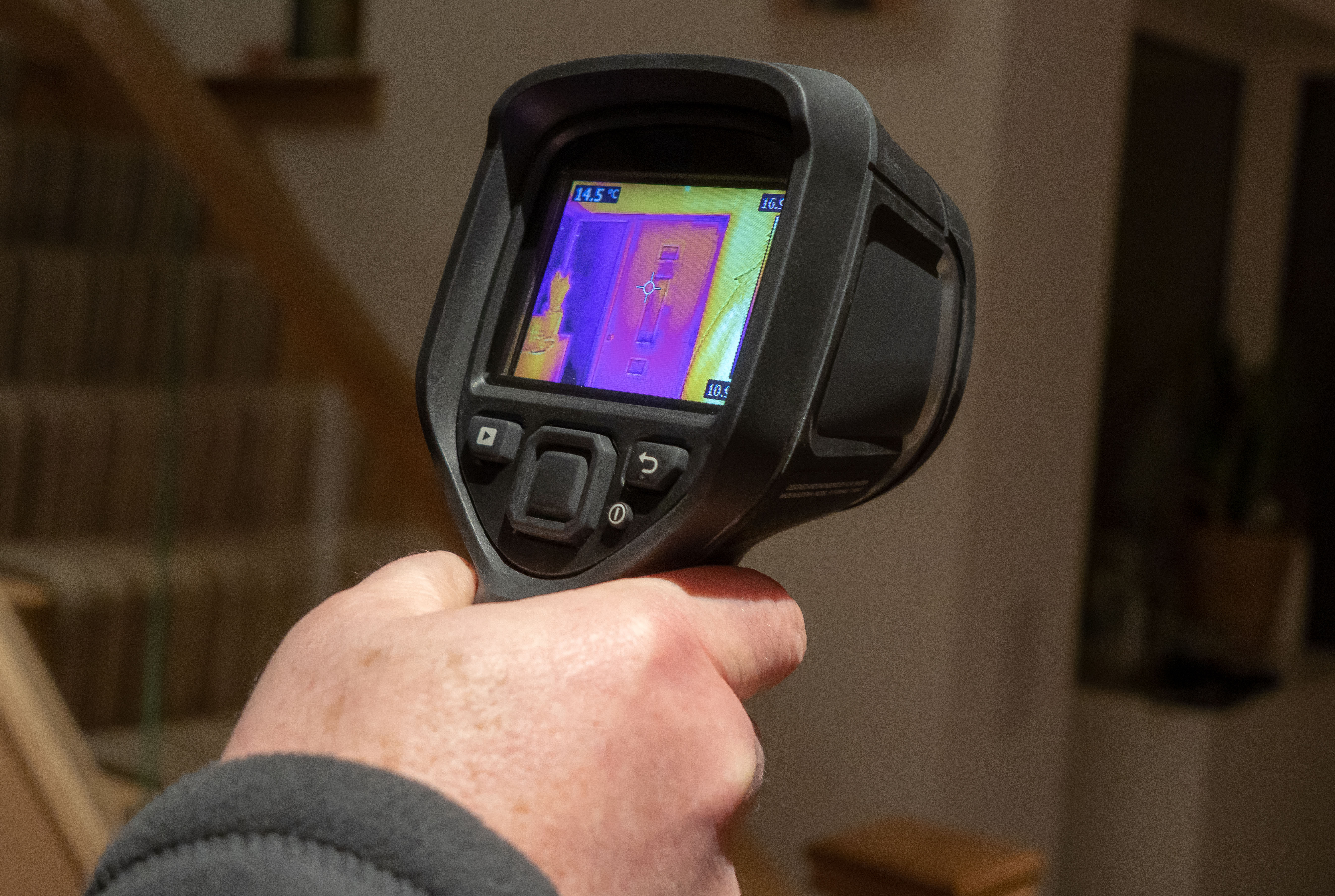

A blower door test shouldn’t take more than an hour, and most can be completed in less than 30 minutes. Expect the test to take longer once you start searching for leaks with thermal imaging or want to include sealing such leaks in the time estimate. The test doesn’t take much time and can’t be rushed, but it will take longer in large homes or those with many air leaks.

Home power is measured in kilowatt-hours, commonly expressed as kWh. The average home uses between 800 and 1,000 kWh per month. Peak usage (and highest bills) occurs in the middle of summer and the depths of winter. Keeping on top of your usage during these crucial months will lower your annual average usage considerably. 

Energy output depends on turbine size, average wind speed at your site, and system efficiency. A 5 kW turbine in a good wind location can generate 8,000 to 12,000 kilowatt-hours per year, which may cover a large portion of an average home’s needs. Accurate output estimates require a professional wind assessment and a review of your household’s energy usage patterns.

Solar water heating systems are not one-size-fits-all. You'll likely work with a team of experts to get the job done—including solar panel installers, plumbers, and water heater installers. A specialist will help you decide if a passive or active system is best for your local weather, home layout, roof stability, and your budget.

The Mazeppa, MN homeowners’ guide to energy efficiency auditing services

From average costs to expert advice, get all the answers you need to get your job done.