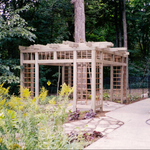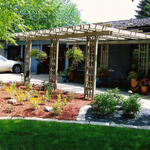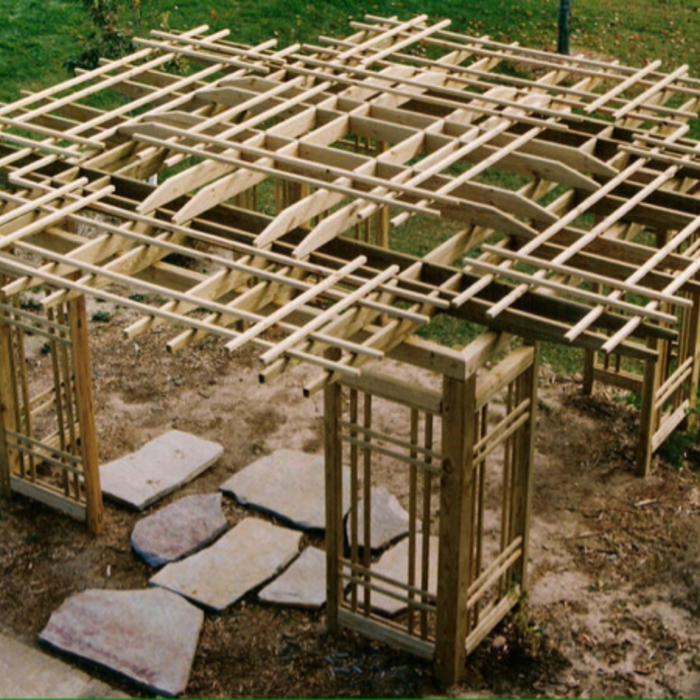


"I found him hard to work with (e.g. doesn't listen, pushy about doing it his way.) I was really hesitant after the estimate but he just kept pushing about it and I didn't have any other options - but I was sorry afterwards. I don't really like it, the quality doesn't seem great - but most important, it's not level. Drives me crazy and looks bad - just three panels and it's not level! Makes me nuts looking at it - feels like I threw my money away."

We take great pride in our 16 years of experience, expertise, quality, and customer service that we provide to meet the consumers' needs. It is our mission to provide excellent workmanship, and complete customer satisfaction from start to completion of a project. In order to understand the needs, and expectations of our customers, we take great care to work, and communicate with every customer in a professional manner. Our reputation is based on service, safety, and quality, regardless of how large or small the job.
We are a locally owned and operated company that values honesty and integrity and treats your home as if it were our own. We offer a variety of general contractor services that are customizable to each individual project. You will find us to be competitively priced, paying close attention to the details of each and every project that we are involved with. We look forward to building lasting relationships and guarantee your satisfaction!
Yes, you can generally put hot pans directly on a granite countertop without worrying about cracking, as it is a durable, heat-resistant stone that can withstand high temperatures. However, it is still highly recommended to use a trivet or hot pad as a precaution. Prolonged or repeated exposure to high heat can potentially cause discoloration or damage the countertop's sealant, making it more susceptible to staining. Additionally, the heat from a pan can transfer to the granite, creating a burn hazard for anyone who touches the surface shortly after.
You can’t change the color of the stone, but you can update granite countertops without replacing them by painting them. Because granite is a porous material, you’ll want to seal them first before painting them so that the paint doesn’t hurt the surface. This is important because you don’t want to devalue your counters by damaging the original surface; even if you don’t like the color now, you or a new homeowner may want to remove the paint someday and return them to their original color. You can also cover them with
Clorox wipes contain bleach, which is unsafe for use on quartz countertops. When used over time, the bleach will damage the countertop surface and cause it to become discolored or damaged. Instead of Clorox wipes, use a pH-neutral multipurpose solution and clean the surface gently using a soft microfiber cloth.
The frequency for sealing granite countertops depends on several factors, including the type of sealant used, the color of the granite, and how heavily the countertops are used. As a general guideline, resealing is often recommended every 12 to 18 months, but some sources suggest it could be as often as every few months or at least once a year.
The type of sealant is a major factor: water-based sealants may need reapplication every six months to a year, while more durable solvent-based sealants can last for five to 10 years. Additionally, factors like heavy kitchen traffic, frequent use of acidic cleaners, and lighter granite colors may require more frequent sealing to prevent staining.
To determine if your countertops need resealing, you can perform a simple water test. Place a few drops of water or a wet paper towel on an inconspicuous area of the granite. After 10 to 15 minutes, check the spot. If the water has beaded up, the seal is still intact. If the water has been absorbed and darkened the stone, it's time to apply a new coat of sealant. You can choose to seal the granite yourself or hire a professional to ensure it's done correctly.
Yes, Corian® and other solid surface countertops can be cut with standard woodworking tools like a circular saw or a jigsaw, but using the correct blade is crucial for the best results.
The recommended blade is a tungsten carbide-tipped blade, often called a solid-surface planer or triple chip grind blade. This type of blade is hard enough to cut through the material effectively. For a jigsaw, a fine-tooth down-cutting blade should be used.
It is important to note that a diamond blade is not necessary. Diamond blades are designed for harder materials like natural stone, concrete, or brick, and Corian is not a natural stone.
Using blades designed for wood is not recommended as they can cause microfractures that weaken the countertop's edges. While a tungsten carbide blade provides a much cleaner cut, the resulting edge will still be rough and must be sanded and smoothed to prevent microfractures from developing over time.
The Hoffman, MN homeowners’ guide to marble restoration services
From average costs to expert advice, get all the answers you need to get your job done.
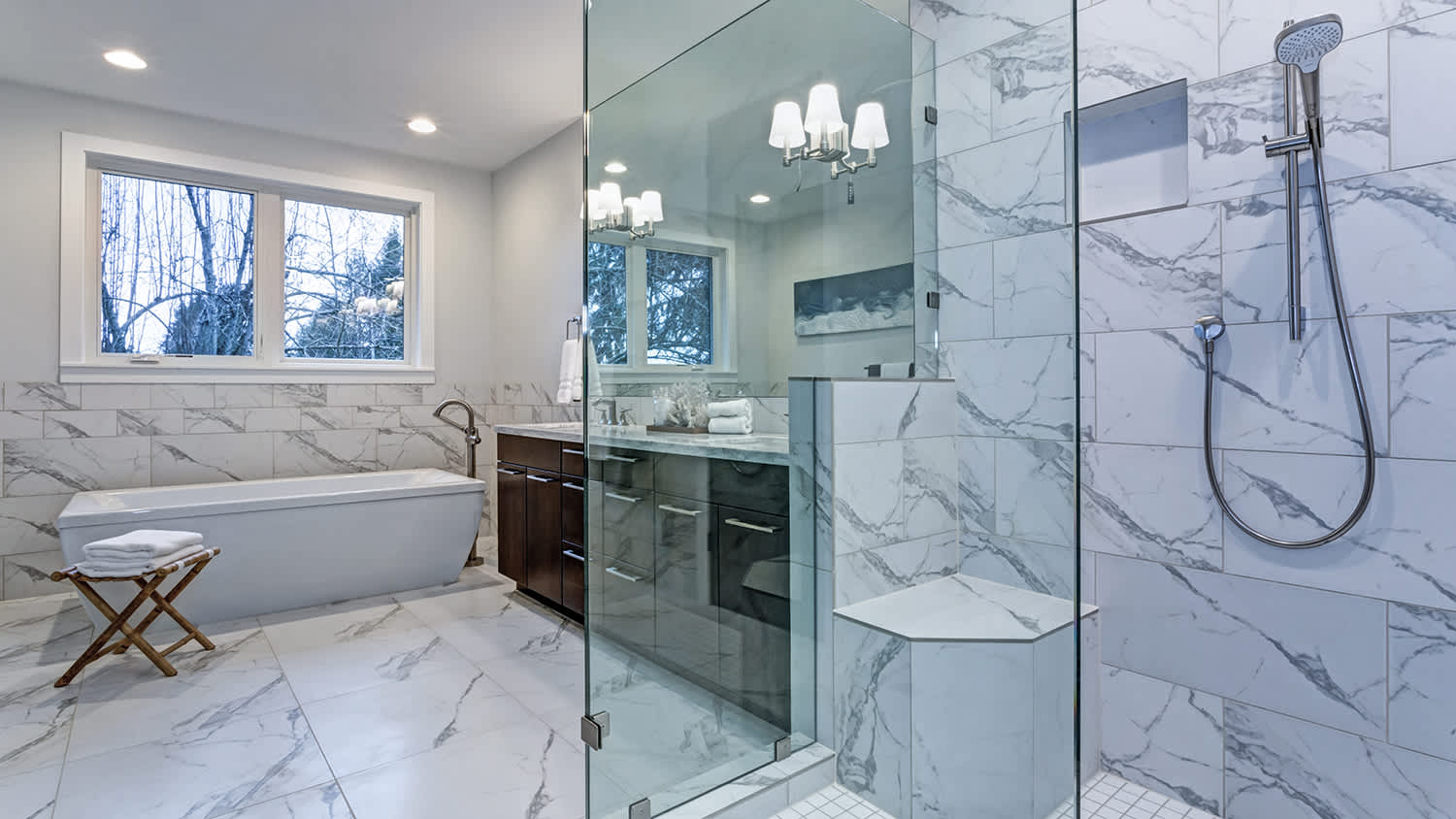
Not sure how to clean marble in your home? From floors and tables to countertops and showers, learn how to make marble shine and fix stains and scratches.