






Jacksons lawn care and more
Lawn Care - Maintain and Mow a Lawn
Serving Osseo, MI and surrounding areas
Approved
Small jobs welcome
"Keith did an amazing job! Professional and friendly"
+1
43 neighbors recently requested a quote

*The Angi rating for Weed Maintenance companies in Osseo, MI is a rating based on verified reviews from our community of homeowners who have used these pros to meet their Weed Maintenance needs.
*The HomeAdvisor rating for Weed Maintenance companies in Osseo, MI is a rating based on verified reviews from our community of homeowners who have used these pros to meet their Weed Maintenance needs.
Last update on April 14, 2026
Serving Osseo, MI and surrounding areas
Approved
Small jobs welcome
"Keith did an amazing job! Professional and friendly"
+1
Serving Osseo, MI and surrounding areas
Approved
I’m 25 looking for an opportunity to grow and show that anything is possible.
Serving Osseo, MI and surrounding areas
Approved
Top quality landscaping service that is quick and on time.
Serving Osseo, MI and surrounding areas
Approved
Local handyman offering remodeling and lawn care services.
Serving Osseo, MI and surrounding areas
Approved
Hello there Gebert property solutions we offer quality honest and by far the best price around call us for your property needs

Serving Osseo, MI and surrounding areas
Approved
Free estimates
Emergency services offered
Small jobs welcome
Hi, I’m Loren Brown, owner of Ten Point Contracting, based in Archbold, Ohio. We specialize in landworks, property improvement, and habitat-focused outdoor services across northwest Ohio and surrounding areas. Whether you need driveway grading, brush cutting, trenching, tilling, seeding, land leveling, trail clearing, or food plot and water hole installation, we take pride in doing quality work with honest communication and attention to detail.\n\nAt Ten Point Contracting, we believe in treating every property like it’s our own. Our goal is to help customers improve and enjoy their land — whether that’s for recreation, hunting, agriculture, or everyday property maintenance. We’re a local, hardworking small business focused on dependable service, fair pricing, and results you can be proud of.\n\nWe appreciate the opportunity to earn your business and look forward to helping bring your project to life.
Serving Osseo, MI and surrounding areas
Approved
I'm a hard determined worker that has extensive experience in maintenance and handyman tasks
Serving Osseo, MI and surrounding areas
Approved
Free estimates
Emergency services offered
Warranties offered
I’m a one-stop shop for all your maintenance needs, with a knack for tech and a wide range of skills in various trades. Nothing too big to tackle and nothing too simple I won’t accept. Not to mention I can promise to beat larger companies and there estimates every single time\n\n
Serving Osseo, MI and surrounding areas
In business since 2010
Free estimates
Credit card accepted
"Great company great work highly recommend...on time fair pricing hard wprking excellent service"
From average costs to expert advice, get all the answers you need to get your job done.

Expect your weed removal service cost to depend on the size of your yard, the type of treatment, and the severity of the infestation.
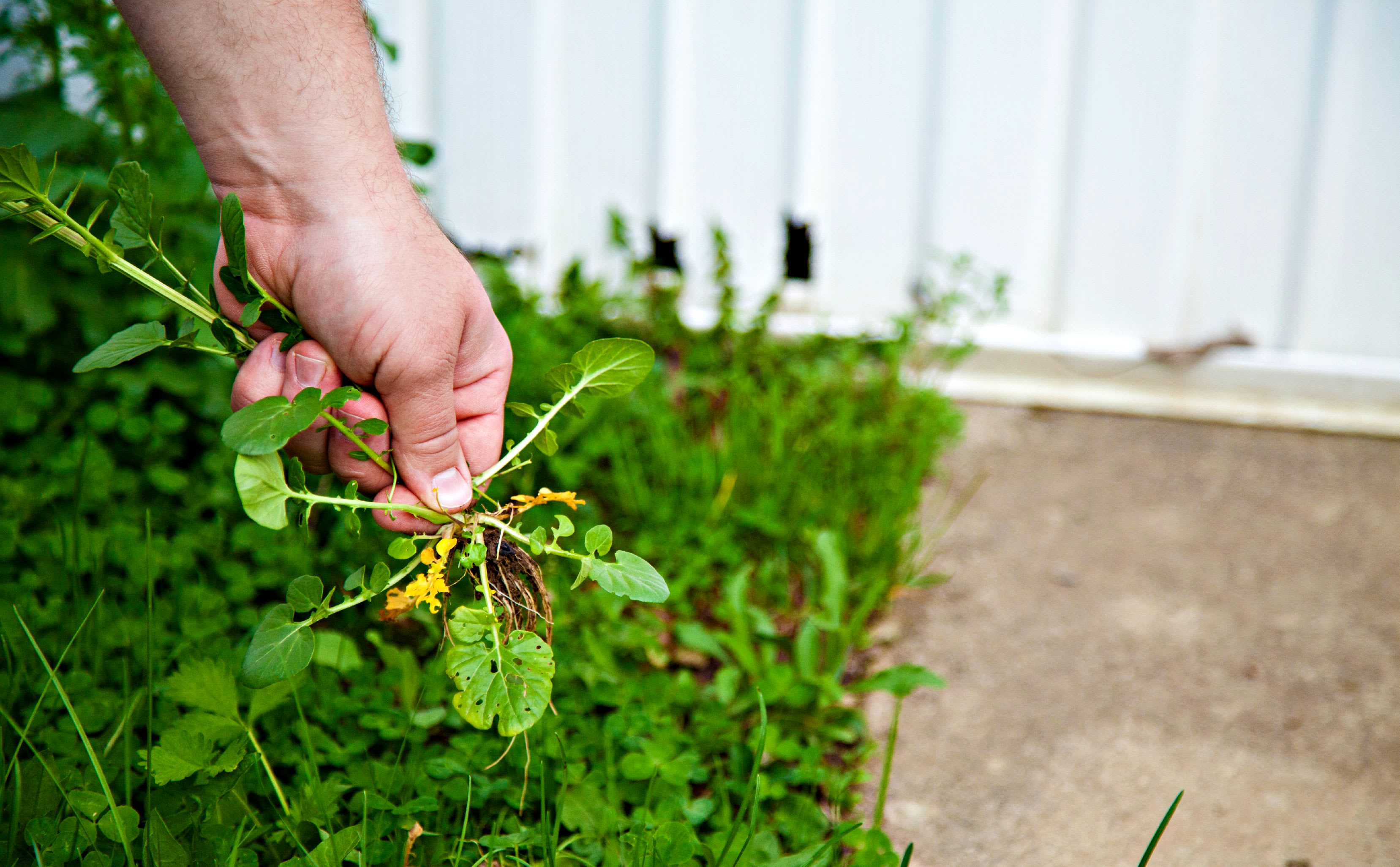
Learn how to find and hire qualified weed removal services for your lawn. Get expert tips on questions to ask, credentials to check, and more.

Here’s who you should hire to pull your weeds to keep your yard looking tidy and your curb appeal up. Learn more in this helpful guide.

Pulling weeds can help keep them from taking over your garden or yard. Learn the best time to pull weeds to keep your outdoor spaces beautiful and healthy.
Planning a yard cleanup? Learn about weed removal costs, logistical concerns, and how to hire the right local pro to keep your landscaping healthy and lush.

There are some serious benefits to choosing a homemade grass and weed killer over store-bought products. Here are some useful DIY formulations.