




Stone & Rock Works is committed to excellence in every aspect of our business. We uphold a standard of integrity bound by fairness, honesty, and personal responsibility. Our distinction is the quality of service we bring to our customers. Accurate knowledge of our trade, combined with ability is what makes us true professionals. Above all, we are watchful of our customers' interests, and make their concerns the basis of our business. Call today!
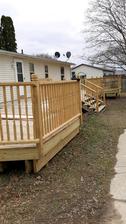
Our mission at The Handy Family is to continue the growth of our business by doing right by all of our clients. We love seeing that one of a kind smile on a home owners face at the end of a project! The Handy Family stacks up with the competition and surpasses it with competitive prices, second to none workmanship and a prompt/responsive team! We give you quality that you can measure and a finished product that will enhance your home forever. Our guys are the top in thier skillset. Guarenteed. Call us today! Thanks\n\nGod Bless\nKeith and Z
We take great pride in our experience, expertise, quality, and customer service that we provide to meet the consumer's custom needs. It is our mission to provide excellent workmanship and complete customer satisfaction from start to completion of a project. In order to understand the needs and expectations of our customers, we take great care to work and communicate with every customer in a professional manner. Our reputation is based on service, safety, and quality, regardless of how large or small the job.
While they’re popular and have a lot of pros, the cons of river rocks include the following:
River rocks don’t break down or provide nutrients to plants.
These stones can get hot and scorch nearby plants.
River stones may heat the surrounding soil to inhospitable temperatures.
Rocks can block rainwater from seeping into the ground if installations are too thick or tightly packed.
Most downsides occur when using river rock as mulch in gardens and flower beds. However, you can still incorporate river rocks into your landscape as long as you use them in the correct ways.
Most outdoor water fountains and features do not use a lot of electricity, typically consuming between 100 and 250 watts per day. The size of the fountain's motor can impact its overall electricity usage. To reduce energy consumption, you can use a timer to automatically turn the fountain off at night or when you are away from home. Additionally, installing solar power components can help lower electricity costs after the initial investment is recouped.
Yes, it’s possible to DIY a plunge pool and shave labor costs off of the project total. If you’re considering a DIY build, keep in mind that you will be responsible for pool installation and landscaping (which may require excavation). This type of DIY project is best left to particularly handy homeowners who have prior pool installation experience.
Natural swimming pools are designed to deter pests, including mosquitoes. While any body of water can potentially attract pests, the natural filtration system keeps the water clean and constantly moving. Mosquitoes specifically are attracted to standing water, so the continuously circulating water in a natural pool makes it an inhospitable environment for them.
Like pools, ponds can be a safety risk, so they may increase your homeowners insurance. Be sure to let your insurance company know if you build a pond on your property—they may have safety requirements in order to keep your premium from increasing.
The New Lothrop, MI homeowners’ guide to fountain services
From average costs to expert advice, get all the answers you need to get your job done.
Discover the cost to install a fountain in your pond, including average prices, key cost factors, and tips to save money on your pond fountain installation.
Dive into the details of the different kinds of backyard water features, including fountains, birdbaths, waterfalls, pools, ponds, streams, and spouts.