


Top-rated drywall pros.

Get matched with top drywall pros in Montague, MI

Enter your zip and get matched with up to 5 pros

Need a pro for your drywall service project in Montague, MI?

Select your specific project to find the pro for you.

TRUSTED BY MONTAGUE, MI HOMEOWNERS

  • Average homeowner rating star icon4.6
    Average homeowner rating
  • Verified reviews icon16
    Verified drywall services reviews

Find Drywall pros in Montague

Avatar for D and L Commercial Roofing, LLC
D and L Commercial Roofing, LLC
4.9(
44
)
Drywall - InstallDrywall - Repair

Serving Montague, MI and surrounding areas

Approved

Super Service Award Winner

In business since 2020

Free estimates

Warranties offered

"Very professional. Wonderful to work with. We hired them to put an addition on our home. They did everything very well : foundation, building the rooms, putting in insulation, drywall, painting, flooring, windows, roofing, plumbing, framing doors and windows, ductwork. They even built raised flower bed structures to go around the outside of the new addition. They are a very talented and skilled company."
Response time1 day
Response rate95%
3 neighbors recently requested a quote
Avatar for Cisero Enterprises
Cisero Enterprises
5.0(
5
)
Drywall - InstallDrywall - Install - For BusinessDrywall - Repair+1 more

Serving Montague, MI and surrounding areas

Approved

In business since 2019

Free estimates

Offers commercial services

"Even though I added many smaller projects as they went along, they did them. They went above and beyond. The workers were amazing and fun to work with. My bathroom is beautiful. We trusted them completely! I’m hoping to get my basement done someday; I will call them."
Handyman Service
Handyman Service
1 neighbors recently requested a quote
Avatar for Apex Precision
Apex Precision
New to Angi
Drywall - InstallDrywall - Repair

Serving Montague, MI and surrounding areas

Approved

Small jobs welcome

At Apex Precision, we take pride in providing reliable, high-quality handyman and general contracting services for residential and commercial customers. From small repairs and maintenance to custom projects, we bring precision, professionalism, and attention to detail to every job.\n\nWe specialize in a wide range of services including drywall, flooring, painting, trim work, repairs, installations, carpentry, and general home improvements. No project is too small or too big — our goal is to deliver dependable workmanship, honest communication, and results you can trust.\n\nCustomer satisfaction is our top priority, and we work hard to make sure every project is completed safely, efficiently, and to the highest standards. When you choose Apex Precision, you’re choosing quality craftsmanship and service you can count on.

...
Showing 1-10 of 83
Drywall questions, answered by experts

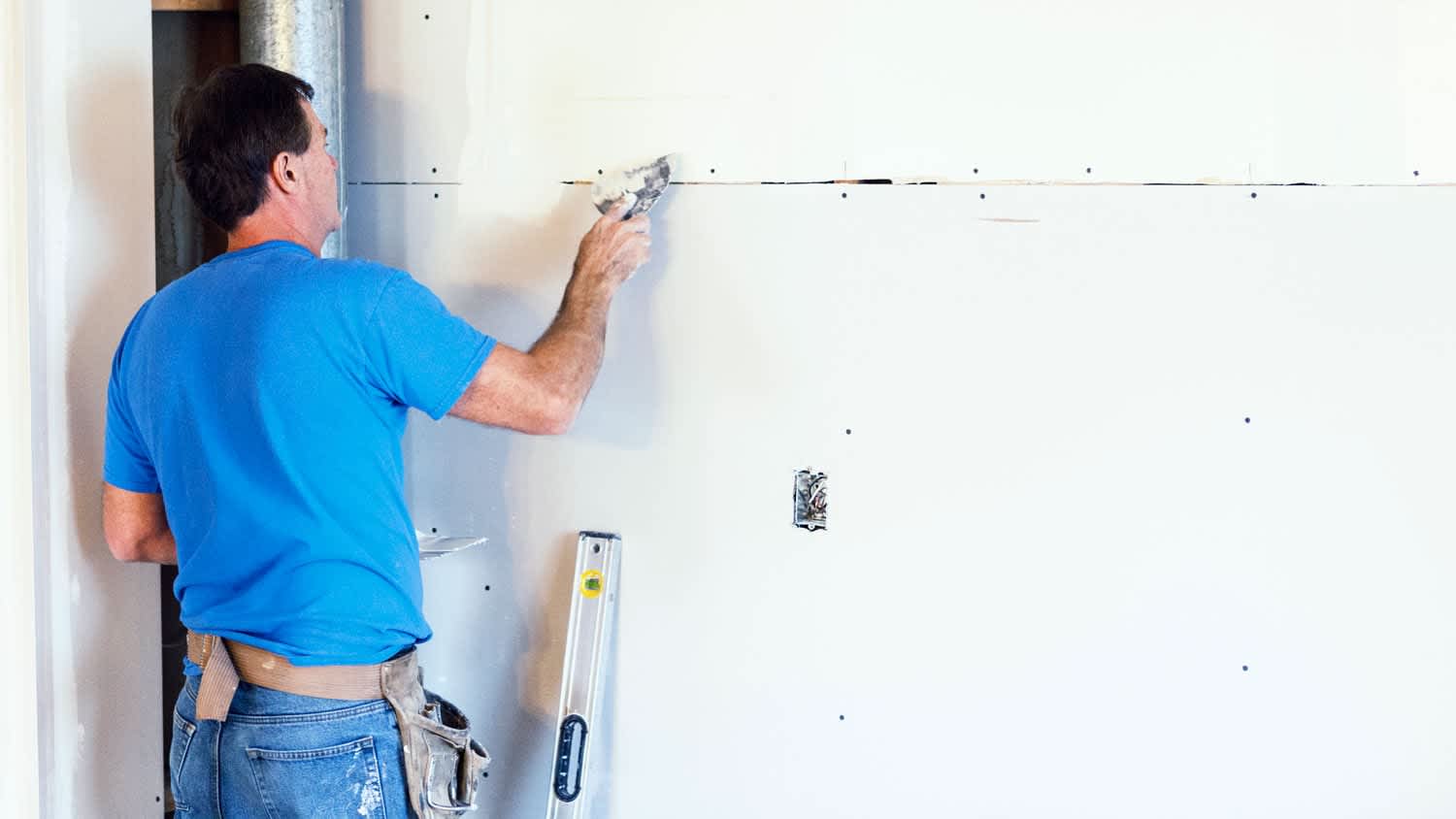
How you hang the drywall can affect the finishing process. It's often easier to finish horizontal drywall panels, as the seams run across the wall rather than up and down. Standard drywall panels are 48 inches wide, so the seam is easy to reach without bending down or stretching your arms.

Although they have similar applications, spackle and joint compound are not the same. Their primary differences lie in their composition, consistency, and ideal use cases.

Spackle is composed of gypsum and binding agents, making it thicker than joint compound. It dries quickly and is easy to sand, which makes it ideal for small wall repair projects like filling nail holes or patching minor damage.

Joint compound, also known as drywall mud, consists of limestone and gypsum. It is primarily used for large-scale projects, such as taping and finishing the seams on newly installed drywall. It tends to shrink more than spackle and can be more difficult to spread.

While both products can be used to fill small depressions and cracks, spackle cannot replace joint compound for taping and mudding new drywall. Conversely, you can often use joint compound for small patching jobs typically done with spackle.

Plaster is a pretty tough surface, but it can still sustain damage from things like bumping against it, water issues, dampness, extreme humidity changes, and plain old age. Most plaster walls last hundreds of years and will only be taken down to the base layer when major repairs are required. Being cautious around the wall, not placing furniture against it, and ensuring stable humidity are all great ways to reduce possible damage.

It’s not a good idea to plaster over broken plaster (unless by broken you’re referring to cracked, in which case that’s perfectly fine). However, broken plaster can be a sign of a larger underlying issue like foundation damage or severe damage to the lath holding up the plaster, so it’s worth investigating before you simply plaster on top of the damage.

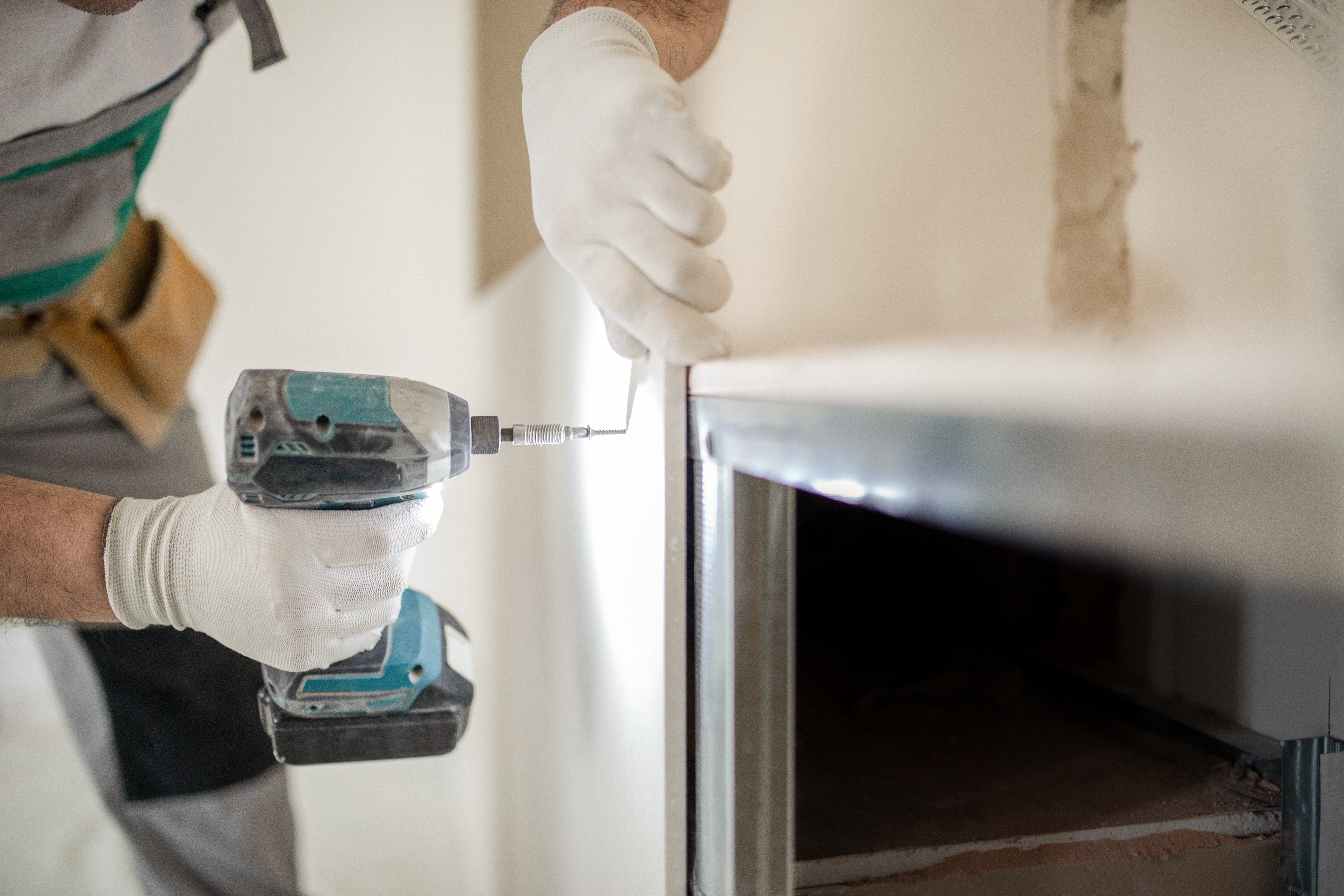
Choose a drill bit that is the size of the screws of the anchors you will use. You aren’t drilling through metal or concrete—hopefully—so any standard twist, wooden or all-purpose drill bit will work fine. It’s also important to have a screwdriver capable of drilling through the drywall and into the stud. The good news is most available drills, even the older ones, can do this with no issue.

The Montague, MI homeowners’ guide to drywall services

From average costs to expert advice, get all the answers you need to get your job done.