

Top-rated excavation pros.

Get matched with top excavation pros in Lexington, MI

Enter your zip and get matched with up to 5 pros

Need a pro for your excavation project in Lexington, MI?

Select your specific project to find the pro for you.

Find Excavation pros in Lexington

Avatar for K&E Contracting
K&E Contracting
5.0(
8
)
Landscape - Minor Grading or ReslopingBuilding Site - Preparation and Clearing - For BusinessExcavation - Major Grading or Resloping - For Business

Serving Lexington, MI and surrounding areas

Approved

In business since 2022

Free estimates

Emergency services offered

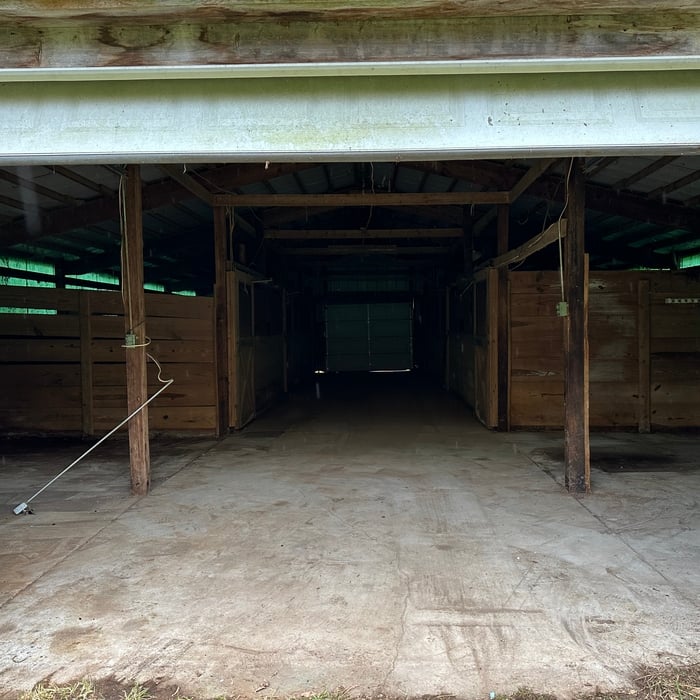
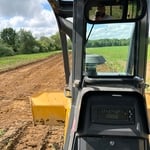
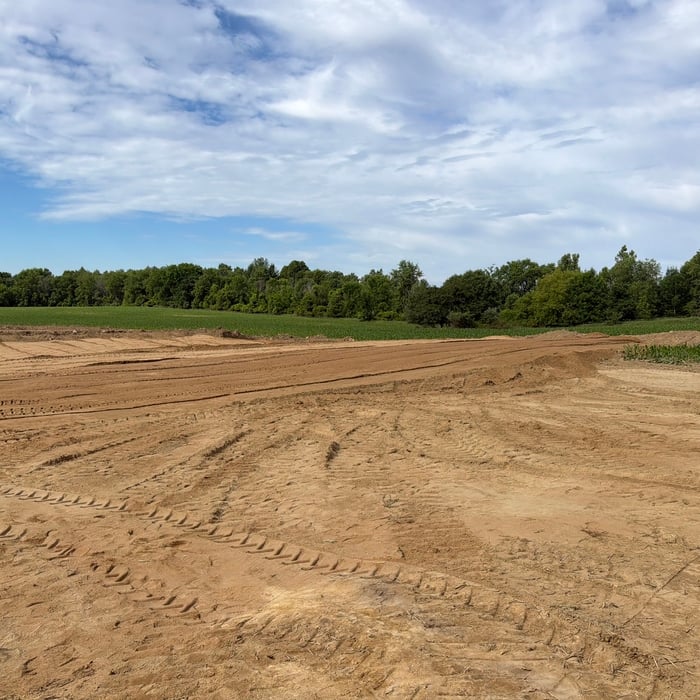
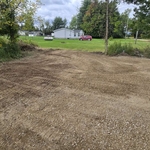
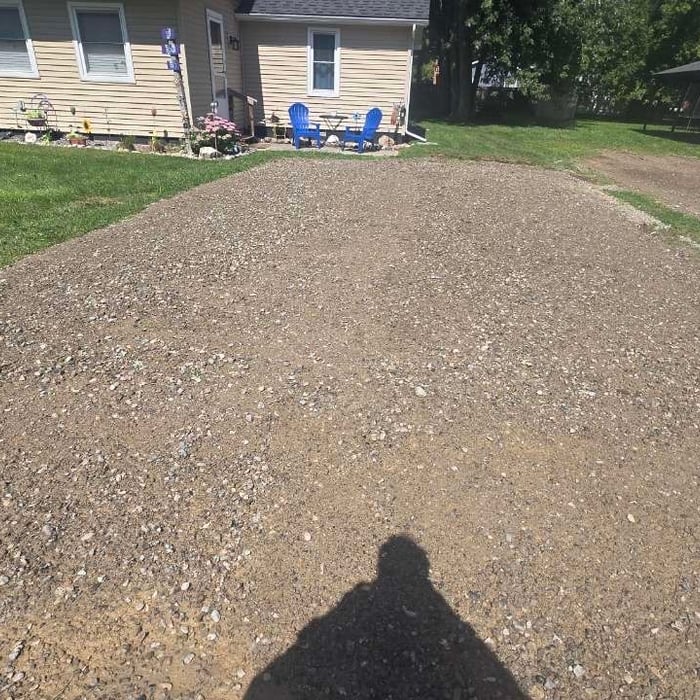
"The guys at K&E Contracting weâ re great to work with. They marked the site with us to ensure we were getting what we envisioned. They paid attention to small details. The quote was fair and the work was done fast. We really love our new parking addition / barn pad. They left the area cleaned and restored and best of all with no more flooding issues."
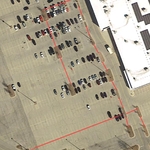
plan drawing
Target
Target
Target
Target

+67

Response time6 days
Response rate85%
4 neighbors recently requested a quote

Showing 1-10 of 21
Excavating questions, answered by experts

Yes. A metal detector is one of the quickest and easiest ways to find your septic tank. However, metal detectors can be too expensive (costing upward of $300 in some cases), and not everyone has a metal detector just lying around. If that’s the case for you, you can also take a long metal rod and poke it into the ground at regular intervals until you hit something—likely your septic tank lid.

Yes, you can excavate in the winter, but it might make the job harder. Frozen ground is harder to dig, and snow or ice can make the work site more hazardous. A contractor may need special equipment and techniques, such as ground-thawing methods, to break through frozen soil. Although winter excavation is possible, it may take longer and be more costly than excavating during warmer months.

Digging a bush up by the roots is the most natural DIY method for removing a bush stump. Start by identifying the shrub type and revealing its roots. Cut the shrub to its base and loosen the soil, ensuring no utility lines are nearby. Optionally, treat the base with herbicide, then dig around the roots and cut a circle around the shrub using various tools. Dig a trench, cut the base of the root ball, and finally fill the hole to prevent regrowth. This thorough process ensures complete removal without damaging surrounding areas.

Yes, you can install a trench drain if you already have concrete in your yard or garden. While it can complicate some aspects of the job and slightly run up the cost, it is doable. Residential trench drains can be easily retrofitted to outdoor areas with concrete without having to remove excessive amounts of your patio, pool area, or decorative walkways.

No, you typically cannot use metal detectors to find your sewer line. Most sewer lines are made of non-metallic materials such as PVC, clay, or cast iron, which are not detectable by standard metal detectors. Metal detectors are designed to locate metallic objects, so they won't be effective for identifying the path of a non-metallic sewer line. To locate your sewer line accurately, it's best to use other methods.

The Lexington, MI homeowners’ guide to excavation services

From average costs to expert advice, get all the answers you need to get your job done.