





Top-rated generator install pros.

Get matched with top generator install pros in Leroy, MI

Enter your zip and get matched with up to 5 pros

Need a pro for your generator install project in Leroy, MI?

Select your specific project to find the pro for you.

Find Generator install pros in Leroy

Avatar for PM Technologies
PM Technologies
5.0(
4
)

Serving Leroy, MI and surrounding areas

Approved

In business since 1999

Free estimates

Emergency services offered

"We just had the generator installed today and are so pleased with the guys from PM Technologies from the electricians, helpers, and Ken the salesman. We couldn't have asked for nicer people to do our job."
Additional Photos
Additional Photos
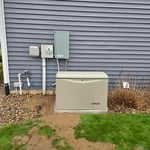
20KW Kohler
Response time1 day
Response rate100%
39 neighbors recently requested a quote

Avatar for D Maddux Electric
D Maddux Electric
1.0(
1
)

Serving Leroy, MI and surrounding areas

Free estimates

Emergency services offered

Small jobs welcome

⚡️ D Maddux Electric – Trusted Electrical Services in NW Michigan! ⚡️\nServing Traverse City • Cadillac • Surrounding Communities\n\nLooking for experienced electricians you can count on?\nD Maddux Electric is licensed and insured, proudly serving Northern Michigan with high-quality electrical work you can trust.\n\nWe specialize in:\n🔧 New Build Construction Wiring\n🔌 Generac Generator Sales & Installs\n⚡ Service Upgrades & Panel Changes\n💡 All Types of Residential & Light Commercial Electrical Work\n\nWhether you’re starting a new project or upgrading your current system, we deliver honest service, expert craftsmanship, and on-time results.\n\n📍 Locally owned & operated\n🛠 Quality-driven | Professional | Dependable\n\nCall or Email Today for a Free Estimate!\n📞 231-299-7469\n📧 [email protected]\n\n🔌 D Maddux Electric – Powering Your Projects the Right Way.

Generator Install questions, answered by experts

Generators are usually sized by running watts and starting watts. Ideally, you’ll want a generator that can offer both the necessary running watts and starting watts for everything you need to power without going beyond 90% of its capacity. Calculate your home’s electrical load based on the breakers in your home or adding up the appliance and lighting needs of connected rooms.

A 10,000-watt generator can run a small to mid-sized central AC unit (typically up to 3 tons or 36,000 BTU) along with a few other appliances. However, larger AC units or additional loads will require a bigger generator. Consult a local generator installer to ensure you add the correct size generator to your home.

Yes, in some locations, it is required by the National Electric Code (NEC) to have a transfer switch installed for electrical emergencies. In addition to following electrical code, generator transfer switches ensure your home is fully protected during a power outage. By switching the power from the main breaker to the generator breaker, you can seamlessly operate your HVAC, lights, appliances, devices, and more during an emergency. 

A 1,500 square foot home will likely need a 15kW to 20kW generator. When deciding on whole-house generator size, add up the total wattage of the devices that you’d like to continue running during a power outage. That way, you can ensure you purchase a generator that can power your necessary appliances or medical equipment during an electrical emergency.

To determine the right size generator for your house, you should calculate the total wattage of the appliances and devices you want to power during an outage. List all essential items, note their start-up wattages, and add them together.

Here are some typical wattage requirements for common appliances:

  • Refrigerator: 600 watts

  • Large dehumidifier: 700 watts

  • Large window air conditioner: 1,400 watts

  • Water heater: 3,000 to 4,500 watts

  • Electric furnace: 5,000 to 25,000 watts

A 7,500-watt generator might be sufficient for essentials like a refrigerator, freezer, well pump, and lighting circuits. However, for high-demand items like a water heater or furnace, a whole-home generator is a better choice. A portable generator may be enough if you only need to power a few critical items.

While home square footage can offer a rough estimate, it is not always a reliable indicator. For reference, here are some typical generator sizes based on square footage:

  • 1,000 sq ft: 6–9 kW

  • 1,500 sq ft: 7–10 kW

  • 2,000 sq ft: 10–14 kW

  • 2,500 sq ft: 12–16 kW

  • 3,000 sq ft: 16–20 kW+

For the most accurate sizing, consult a professional who can calculate your home's peak and average power consumption and recommend the optimal generator.

The Leroy, MI homeowners’ guide to generator installs

From average costs to expert advice, get all the answers you need to get your job done.