






Top-rated fountain pros.

Best fountain pros near Wilton, ME

Enter your zip and get matched with up to 5 pros

Need a pro for your fountain service project in Wilton, ME?

Select your specific project to find the pro for you.

Top-Rated Fountain pros in Wilton - Updated Nov 2026

Avatar for Cash Concrete Co.
Cash Concrete Co.
New to Angi
Water Feature - Install a Fountain or Waterfall

Serving Wilton, ME and surrounding areas

In business since 2023

Free estimates

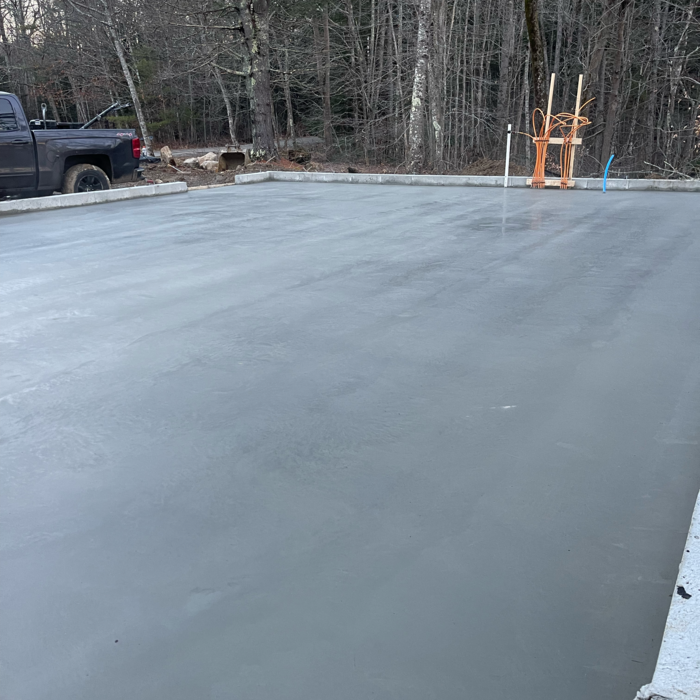
At Cash Concrete Co. we offer all services having to do with concrete slabs and pads! From the smallest entry ways to garages, basements, and warehouses we have you covered. We are an owner operated company and strive to offer the best in professionalism and quality product. As the customer you will be dealing with the owner of the company directly so that all of your needs will be met. We are timely and want to work with you to accomplish the goals in mind for all your new construction or remodeling needs!

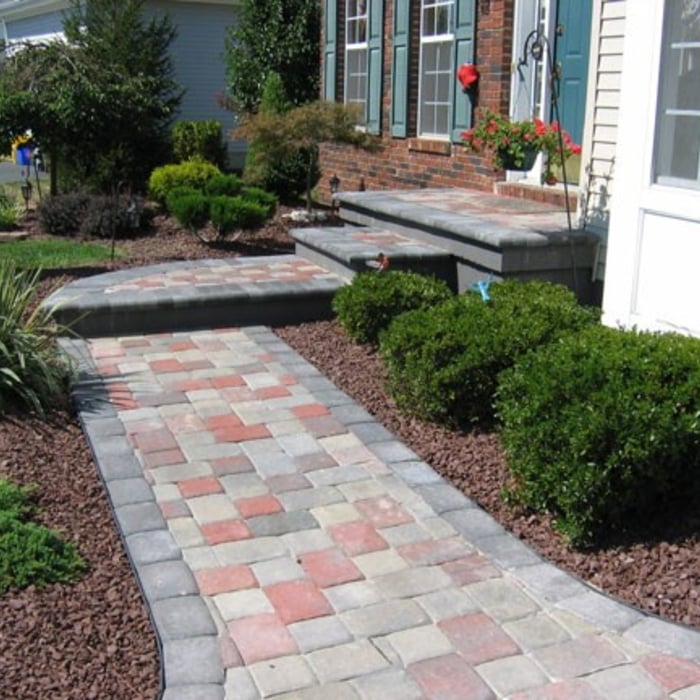
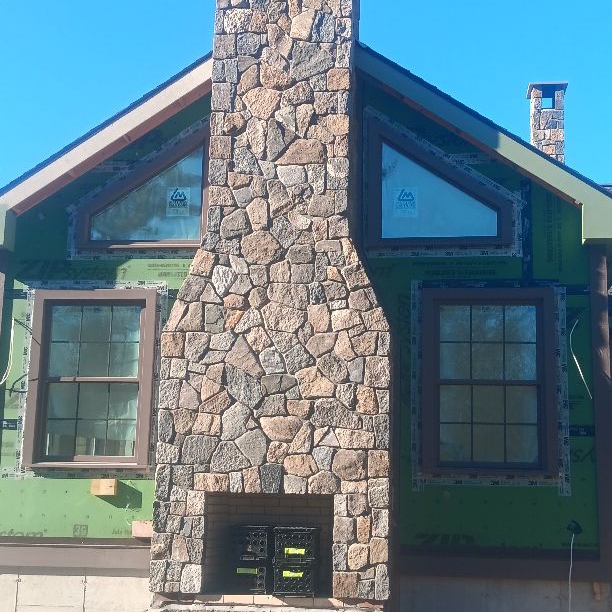
Concrete - Stamped & Decorative Project
Additional Photos
Additional Photos
Additional Photos

+45

Fountains FAQs, answered by experts

Yes, your fish should stay alive in a frozen pond if you winterize it properly. By ensuring your pond has enough oxygen, good water quality, and a hole to release harmful gases, your pond and fish have the best chance of staying alive and healthy. However, if you have tropical fish, they should be overwintered indoors.

Yes, it is possible to make a fountain without a pump, though it may seem less intuitive and will require a bit more effort to use. In lieu of an electric pump, there are a few options including hand-cranked pumps or sprinkler systems that can work to provide water for a fountain.

Seeps and springs form when groundwater reaches the earth’s surface. The main differences between them are the amount of water and the flow rate. Seeps are smaller than springs and consist of water that’s stagnant or flows slowly. Springs contain more water and flow more quickly.

In addition to length and width, pond liners also come in various thickness levels. Thickness is measured in mils, a unit of measurement equal to one-thousandth of an inch, with most pond liners ranging from 15 to 60 mils in thickness. The smaller the number, the thinner (and weaker) the liner. To prevent rips and tears, it’s best to choose a pond liner that’s at least 30 mils thick.

Regular water testing, debris removal, and seasonal maintenance ensure healthy water quality.

The Wilton, ME homeowners’ guide to fountain services

From average costs to expert advice, get all the answers you need to get your job done.