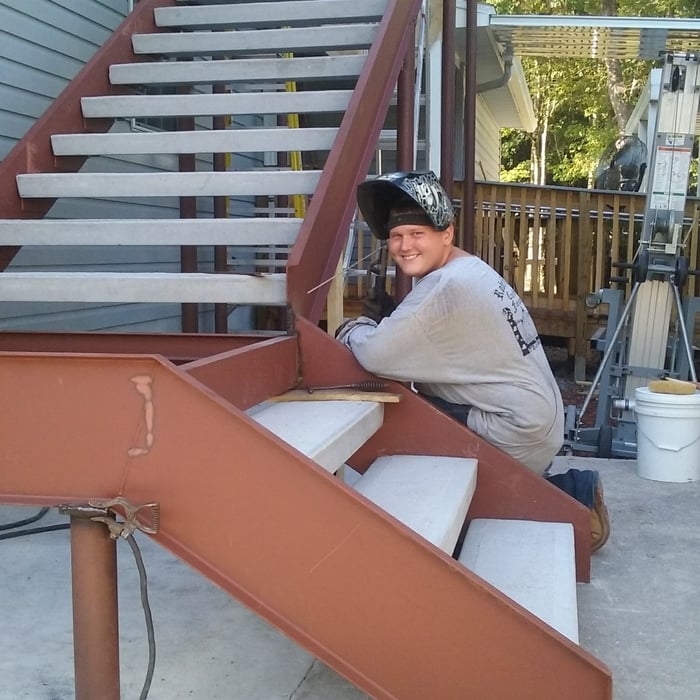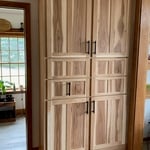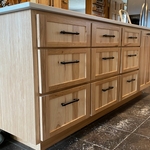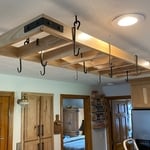



To maintain custom or fabricated metal structures and extend their lifespan and appearance, perform regular cleaning, apply rust prevention treatments, and use protective coatings.
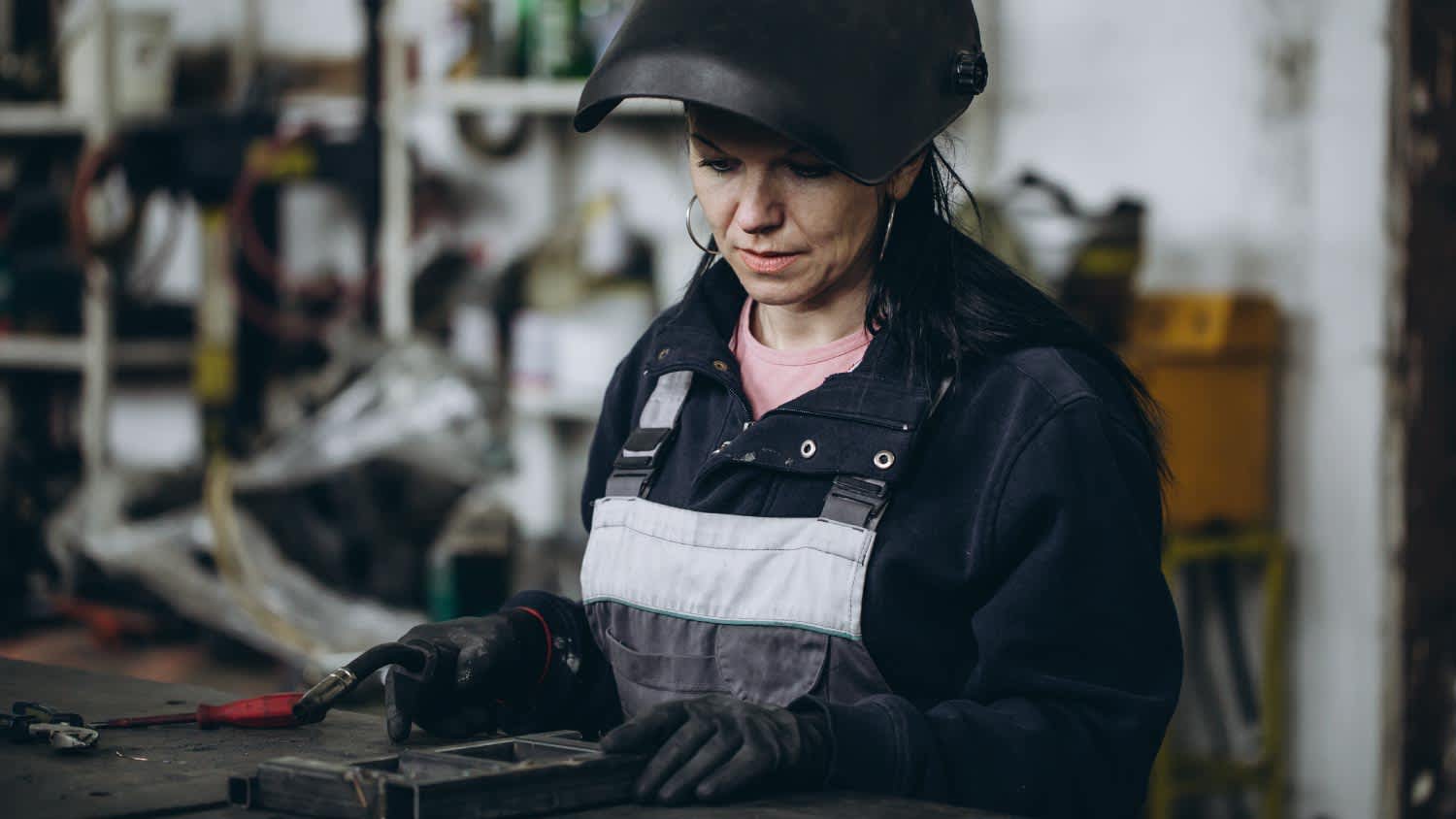
Welding is the process of using extreme heat—and, sometimes, pressure—to attach two pieces of metal. In contrast, metal fabrication is a more involved process that can include welding, sheet metal work, bending, and other forms of metal manipulation. Metal fabrication is a large-scale project that may or may not involve welding, while welding is more often a step in larger fabrication projects.
The best thing to cut metal pipe is a durable pipe cutter that is made for metal. You may want to measure the diameter of the pipes before purchasing a pipe cutter to ensure it will be able to cut your metal pipes. Opt for a heavy-duty option to cut through metal like steel or cast iron.
The cost to weld aluminum averages about $14 to $22 per pound. The type of metal factors into the overall cost of any welding project due to the cost of the materials and the expertise required to work with it.
Some of the most common metals used by welders include:
Magnesium alloy: $7–$16 per pound
Low-carbon steel: $11–$12 per pound
Stainless steel: $13–$15 per pound
Copper/brass: $24–$29 per pound
Cast iron: $38–$79 per pound
Titanium: $60–$85 per pound
Cutting rectangular ductwork requires careful measurements and the right technique. Use a measuring tape and pencil to mark the cutting lines accurately. Tin snips are excellent for straight cuts on smaller ducts. For more extensive or thicker rectangular ducts, a reciprocating saw with a metal-cutting blade is effective.
Ensure the duct is well-supported and secure while cutting to prevent wobbling and maintain precision. After cutting, use a metal file to smooth any sharp edges, ensuring safety during installation.