




Top-rated energy efficiency auditors.

Get matched with top energy efficiency auditors in Exeter, ME

Enter your zip and get matched with up to 5 pros

Need a pro for your energy efficiency auditing project in Exeter, ME?

Select your specific project to find the pro for you.

Find Energy efficiency auditors in Exeter

Dave Ireland Builders, LLC
0.0(
2
)
Home Energy Audit

Serving Exeter, ME and surrounding areas

In business since 1989

Free estimates

Emergency services offered

Dave Ireland Builders, LLC, has over 19 years building experience all over New England from Fort Kent, Maine to Rocky Hill, Connecticut. Our focus is to bring to the people of Penobscot and Piscataquis cutting edge - energy efficient building consulting and construction services. Our staff are not only trained professionals and craftsmen, but are continuously trained on new practices and innovative products. We are not only proud of our Better Business Bureau Accreditation, but we are pleased with our A+ Rating! We stay ahead of the competition so that we can continue meeting Maine's 21st Century building challenges.

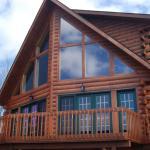
Traditional Home Exterior - Log Deck Large Living Room Windows
Recommended by100%of homeowners
Energy Efficiency Auditing questions, answered by experts

R-value measures an insulation material's thermal resistance, indicating its ability to resist heat transfer. A higher R-value signifies better insulation performance because the material is more effective at slowing heat flow. The R-value depends on the type, thickness, and density of the insulation material, such as fiberglass, foam, or cellulose. Each inch of insulation typically provides an R-value between 3 and 8. There is no single universal R-value; the optimal choice depends on your climate zone. Colder climates require a much higher R-value than warmer ones to maintain energy efficiency, keep the home warm in winter and cool in summer, and manage costs.

Yes, pros suggest units with high EER ratings for energy savings.

Yes, energy-efficient options such as LEDs and solar-powered lights are available. These alternatives consume less electricity, resulting in lower utility costs. They are also more environmentally friendly due to their reduced carbon footprint and longer lifespan.

HVAC systems use the most household electricity. This major and essential system is responsible for heating and cooling your home all year round. Since they operate for a significant amount during the day, it consumes more energy than other appliances. 

Some types of electric fireplaces use more electricity than others. Models that produce 1,500 watts will have more of an effect on your heating bill than 750-watt models. 

Electric fireplaces use an average of $1.85 of electricity every eight hours. These minimal operational costs aren’t likely to make a big difference in your electric bill—unless you’re using it as a primary heating source for your home and it’s running most of the time.

The Exeter, ME homeowners’ guide to energy efficiency auditing services

From average costs to expert advice, get all the answers you need to get your job done.