


Top-rated excavation pros.

Get matched with top excavation pros in Richmond, MA

Enter your zip and get matched with up to 5 pros

Need a pro for your excavation project in Richmond, MA?

Select your specific project to find the pro for you.

TRUSTED BY RICHMOND, MA HOMEOWNERS

  • Average homeowner rating star icon4
    Average homeowner rating
  • Verified reviews icon10
    Verified excavation services reviews

Find Excavation pros in Richmond

Avatar for Rocky Ridge Excavation
Rocky Ridge Excavation
4.6(
12
)

Serving Richmond, MA and surrounding areas

Approved

In business since 2022

Free estimates

Emergency services offered

"Rocky Ridge excavated a drainage trench and installed valves and piping. We are so relieved to have our sump discharge taken care of properly. Rocky Ridge was knowledgeable about the process and kept us informed of options all along the way. It is a pleasure to work with them."
on the job
Logo
on the job
on the job
on the job

+25

Response time3 days
Response rate88%
3 neighbors recently requested a quote
Avatar for Advanced Basement Waterproofing LLC
Advanced Basement Waterproofing LLC
5.0(
5
)

Serving Richmond, MA and surrounding areas

Approved

In business since 2024

Free estimates

Emergency services offered

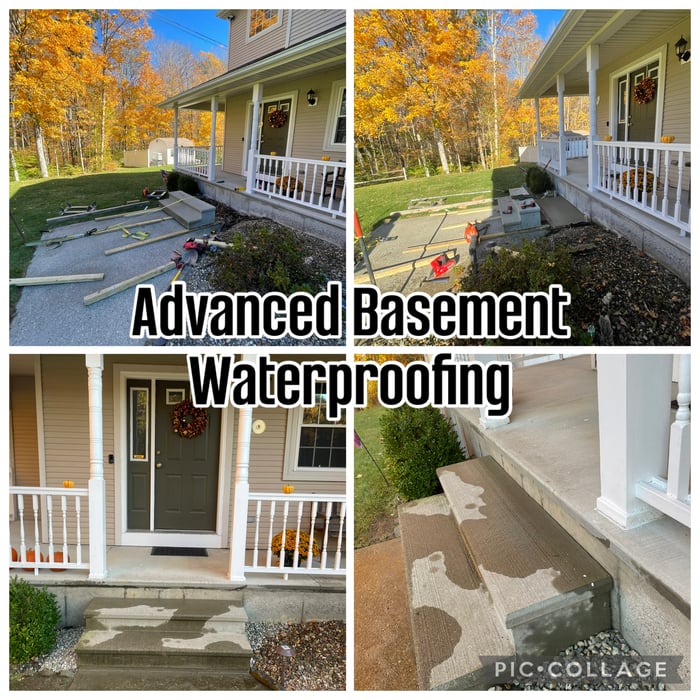
We take great pride in our experience, expertise, quality, and customer service that we provide to meet the consumer's needs.\nIt is our mission to provide excellent workmanship and complete customer satisfaction, from the start to the completion of a project.\nIn order to understand the needs and expectations of our customers, we take great care to work and communicate with every customer \nin a professional manner. Our reputation is based on service, safety, and quality, regardless of how large or small the job.

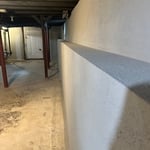
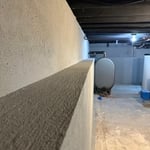
Knell walls
Knee Walls
After
Before
Concrete Work

+1

212 neighbors recently requested a quote
Mossman Land Management
New to Angi

Serving Richmond, MA and surrounding areas

Approved

In business since 2021

Free estimates

-Grading \n-Excavation\n-Drainage \n-Seeding\n-Material removal\n-Fencing \n\nWe work hard as a team to bring each customer the best possible service and quality available. With a reliable and dedicated team, we look forward to working with you on your next project. All questions and or inquires are always welcome!\n\nWe specialize in grading, drainage, excavation, fencing, landscape design/ideas, and general lawn maintenance.

3 neighbors recently requested a quote
...
Showing 1-10 of 58
Excavating questions, answered by experts

Septic drain lines (or leach lines) are typically buried between 18 and 36 inches underground, and should be at least 6 inches below the surface. These pipes are perforated and surrounded by filtering materials like sand or gravel. Burying the lines at this depth helps minimize odors and allows bacteria and other biological processes in the soil to effectively treat the wastewater. Burying lines too close to the surface can cause issues unless the soil is very compact and stable.

Digging a bush up by the roots is the most natural DIY method for removing a bush stump. Start by identifying the shrub type and revealing its roots. Cut the shrub to its base and loosen the soil, ensuring no utility lines are nearby. Optionally, treat the base with herbicide, then dig around the roots and cut a circle around the shrub using various tools. Dig a trench, cut the base of the root ball, and finally fill the hole to prevent regrowth. This thorough process ensures complete removal without damaging surrounding areas.

Water lines are buried at various depths, depending on the type of line. For example, most sprinkler lines are buried between four and 12 inches underground. On the other hand, water mains usually sit between one and 3 feet below ground. However, they can go even deeper in cold climates to prevent freezing.

Most residential basements are 8 to 10 feet deep. You can dig deeper depending on building codes, but it does become more difficult. You’ll likely need to install stronger foundation walls and additional supports to handle the increased load. Depending on the water table, you may also need a water management system. Clay soil can support a deeper foundation than sandy soil. A structural engineer will be able to tell you the maximum, feasible depth.

Professional installers often include a deep layer of crushed gravel under permeable pavers to allow more runoff to soak through into the soil below. Many installations will include multiple layers of gravel, with coarser aggregate at the base and finer aggregate that sits on top of that bottom layer. Above the gravel, you’ll often find coarse sand that helps reduce paver shifting over time. Some permeable paver designs include a water collection system set into the gravel layer to route runoff to a safe area for disposal.

The Richmond, MA homeowners’ guide to excavation services

From average costs to expert advice, get all the answers you need to get your job done.