Top-rated lead testing and removal specialists.

Best lead testing and removal specialists near Charlemont, MA

Enter your zip and get matched with up to 5 pros

Need a pro for your lead testing and removal project in Charlemont, MA?

Select your specific project to find the pro for you.

Top-Rated Lead testing and removal specialists in Charlemont - Updated Nov 2026

VZN Lead Abatement LLC
New to Angi
Toxic Lead - Abatement

Serving Charlemont, MA and surrounding areas

In business since 2014

Free estimates

Offers commercial services

iVZN Lead Abatement LLC is committed to excellence in every aspect of our business. We uphold a \nstandard of integrity bound by fairness, honesty and personal responsibility. Our distinction is \nthe quality of service we bring to our customers. Accurate knowledge of our trade combined \nwith ability is what makes us true professionals. Above all, we are watchful of our customer's \ninterests, and make their concerns the basis of our business.

Lead Testing and Removal FAQs, answered by experts

Lead testing in residential properties involves collecting samples from paint, dust, soil, or plumbing and analyzing them in certified laboratories to accurately identify lead levels.

The average cost of a lead paint inspection is about $600, but it can cost as low as $150 or as much as $800, depending on the size of the area, geographic location, and the inspection methods. Some of the most common lead paint inspection methods include:

  • Visual inspection: $150–$400

  • Paint sampling: $200–$600

  • X-ray fluorescence (XRF): $250–$700

  • Risk assessment: $300–$800

According to the Environmental Protection Agency (EPA), hazardous waste is generally classified into four main categories:

1. Characteristic Wastes: These exhibit at least one of four hazardous traits: ignitability (flammable, like gasoline), corrosivity (can rust or decompose materials, like car batteries), reactivity (unstable and can explode, like aerosol cans), or toxicity (harmful when ingested, like lead-based paint).

2. Listed Wastes: These are specific wastes from manufacturing and industrial processes that the EPA has officially designated as hazardous. They include byproducts from processes that use solvents, pesticides, and other chemicals.

3. Universal Wastes: These are commonly generated hazardous items that are subject to streamlined regulations. Examples include batteries, pesticides, mercury-containing equipment (e.g., bulbs), and some lamps.

4. Mixed Wastes: This category includes waste that contains both hazardous and radioactive components, making it subject to regulation by both the EPA and the Nuclear Regulatory Commission.
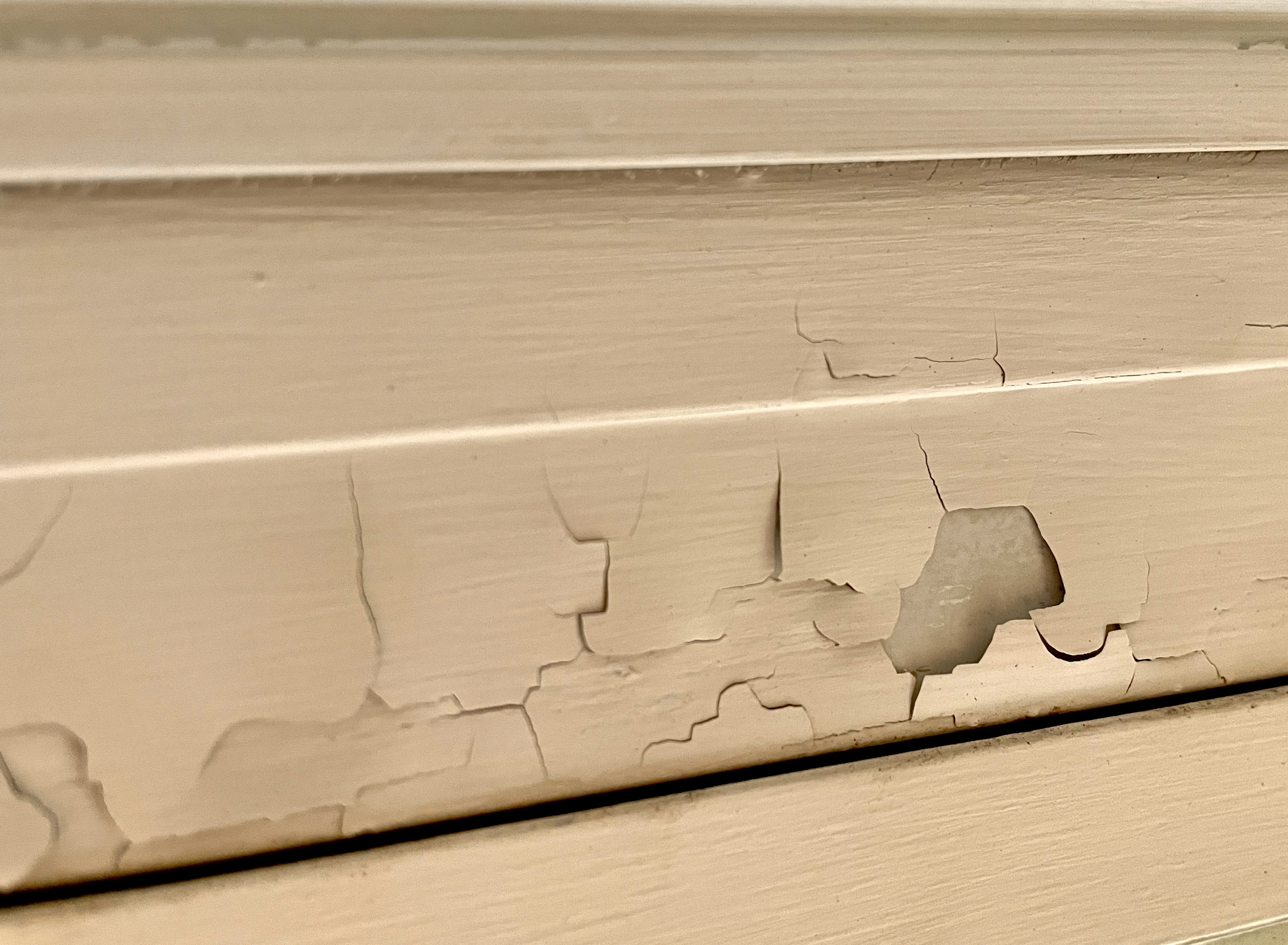

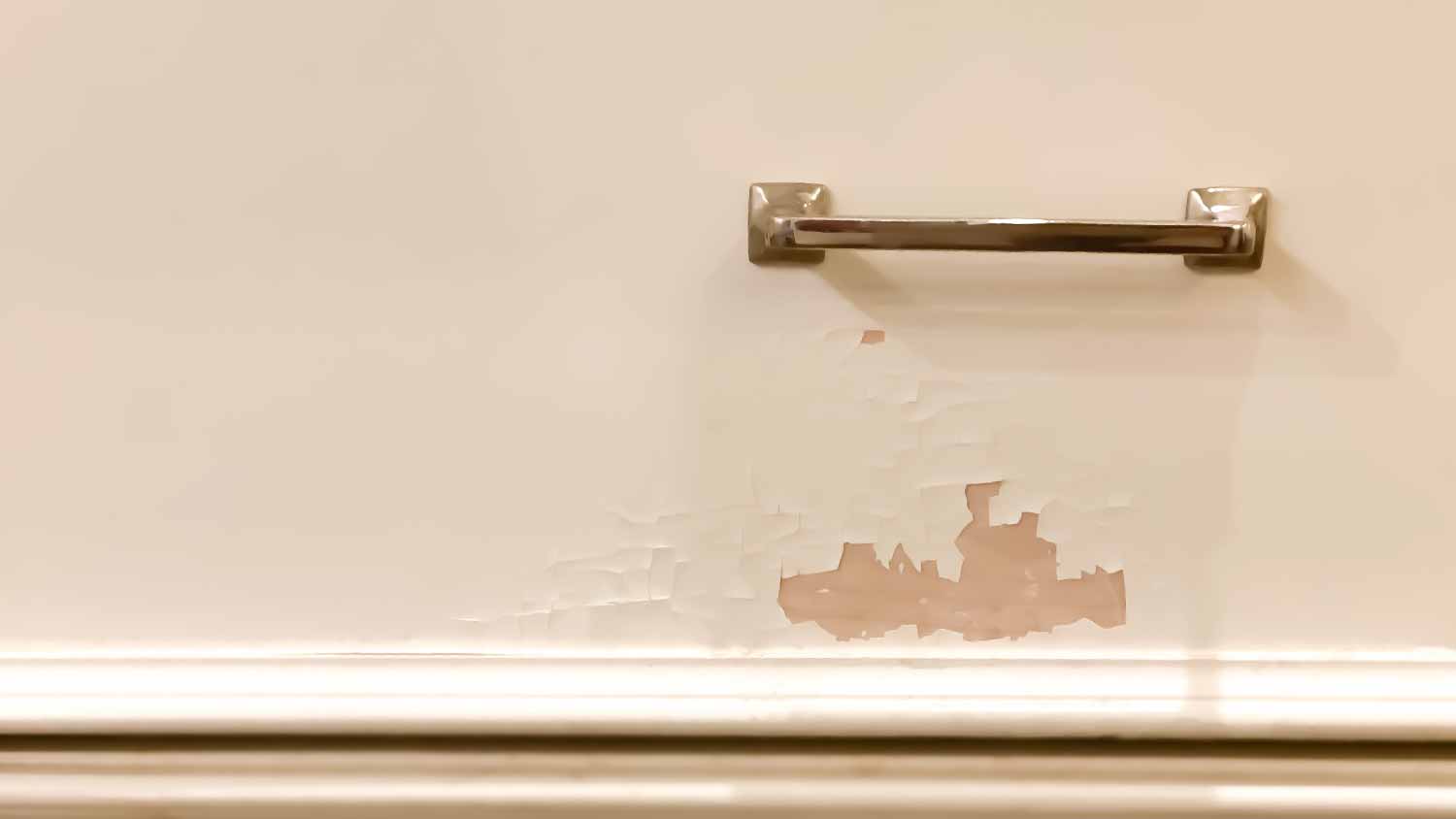
A lead paint inspection is a thorough examination and assessment of a building or structure to determine the presence of lead-based paint. Lead-based paint was commonly used in buildings before 1978 when its health hazards were fully understood. Lead is toxic and can pose health risks, particularly to young children and pregnant women. Getting a lead paint inspection means finding a lead paint inspector to examine the surfaces of the building—such as walls, ceilings, doors, windows, and other painted areas—and identify the presence of lead-based paint.

You can paint over lead paint, or “encapsulate” it with a special paint that includes an ingredient called an encapsulant. The EPA approves encapsulation as a lead paint removal method as long as the paint remains undisturbed. Standard types of paint without an “encapsulant” from the big box stores or hardware stores do not meet EPA standards for remediation of lead-based paint.

The Charlemont, MA homeowners’ guide to lead testing and removal services

From average costs to expert advice, get all the answers you need to get your job done.