



Top-rated deck repair pros.

Best deck repair pros near Washington, LA

Enter your zip and get matched with up to 5 pros

Need a pro for your deck repair project in Washington, LA?

Select your specific project to find the pro for you.

Top-Rated Deck repair pros in Washington - Updated Nov 2026

Avatar for D & D Construction of Rayne, LLC
D & D Construction of Rayne, LLC
3.2(
418
)
Deck or Porch - RepairDeck or Porch - Repair - For Business

Serving Washington, LA and surrounding areas

Approved

In business since 2002

Free estimates

Emergency services offered

"These guys come out & get the job done â ¦Anything you need done the will fix if needed wit no problem..very respectable and hardworking guys..fixed my mom bathroom the way she liked"
Tina Landry
Tina Landry
Tina Landry
Tina Landry
Tina Landry

+2

Response time7 hrs
233 neighbors recently requested a quote
Recommended by78%of homeowners

Avatar for Crystal Clean Exteriors
Crystal Clean Exteriors
5.0(
8
)
Deck or Porch - RepairDeck or Porch - Repair - For Business

Serving Washington, LA and surrounding areas

In business since 2014

Free estimates

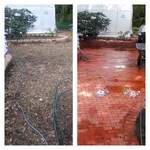
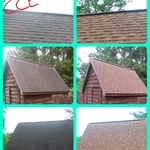
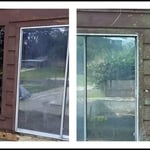
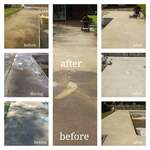
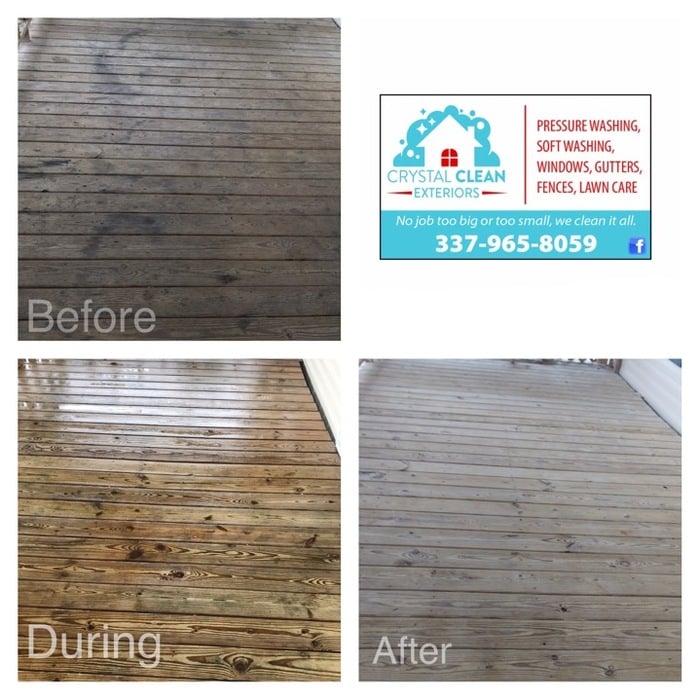
"Crystal Clean did a truly awesome job with all of our power washing needs. The job was completed quickly and with extra care to protect our lawn and deck from the cleaning chemicals. Our roof is over 15 years old and now looks new! We are very happy with the quality work done by Clint at Crystal Clean."
Additional Photos
Additional Photos
Additional Photos
Additional Photos
Additional Photos

+7

Recommended by100%of homeowners
...
Showing 1-10 of 69
Deck Repair FAQs, answered by experts

The best way to sand a deck is by cleaning it, sanding the boards and stairs with 60- or 80-grit sandpaper, and sanding the railings and posts with 80-grit sandpaper. You should sand in the direction of the wood grain to avoid damaging the timber. When sanding your deck, use medium pressure and aim for an even sand. Pressing too hard with a sander can damage decks, as most are softwoods.

The proper and most comfortable height for a deck stair riser, also called a step, is between four and seven inches. A height of seven inches is often considered ideal for a strain-free step that minimizes the risk of trips and falls. While it is possible to have risers up to 12 inches, this height can be challenging for children, pets, or individuals with mobility issues. For optimal safety and comfort, pair a seven-inch riser with a tread depth (or run) of at least 10 to 12 inches. Always check your local building codes, as they may have specific requirements that differ from these general recommendations.

Yes, an elevated deck can increase a home's resale value. Homeowners can expect a 65% return on investment from the cost of a second-story deck installation. For example, if you spend $5,000 to install a second-story deck, that deck will add $3,250 to the value of your home.

Yes, deck pier blocks can be used as an alternative to traditional deck footings, especially for smaller or low-to-the-ground decks. Unlike poured concrete and buried post footings, deck blocks do not require digging or pouring. However, their use is dependent on local building codes. Some areas, particularly those prone to high winds, earthquakes, or hurricanes, may not permit the use of deck pier blocks. It is essential to consult your local building codes before choosing them for your deck project.

You do not have to dig footers for a deck as long as it meets local code and holds up to weather in your area. If you live somewhere that experiences high winds and earthquakes, you may need to dig for your deck posts. Deck blocks, post anchors with base plates, and helical pile systems are the three no-dig deck post options you can choose from if local code permits.

The Washington, LA homeowners’ guide to deck repair services

From average costs to expert advice, get all the answers you need to get your job done.