





Top-rated asbestos removal specialists.

Get matched with top asbestos removal specialists in Walker, LA

Enter your zip and get matched with up to 5 pros

Need a pro for your asbestos abatement project in Walker, LA?

Select your specific project to find the pro for you.

Find Asbestos removal specialists in Walker

Avatar for All American Inspections LLC
All American Inspections LLC
4.8(
142
)
Asbestos - AbatementAsbestos Siding - Repair

Serving Walker, LA and surrounding areas

Approved

In business since 2005

Warranties offered

Credit card accepted

"Professional home inspectors. Use them if you decide to buy a house. They are very thorough, check the house from the top of the roof to the lower levels - and foundation. They give a comprehensive report afterwards that will let you know potential issues before you consumate the purchase. This advise can save you thousands of dollars. Why risk it? Their effort is well worth the charge."
State Standard Inspection
Complete Inspection
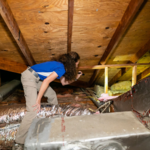
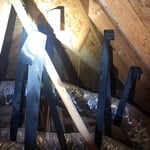
checking all rafters and framing for damages
Additional Photos
Additional Photos

+6

Response time1 day
2 neighbors recently requested a quote
Recommended by97%of homeowners

GC Property Restoration
New to Angi
Asbestos Siding - Repair

Serving Walker, LA and surrounding areas

Approved

Emergency services offered

Small jobs welcome

Credit card accepted

Hi, my name is Braden Cazes, owner of GC Property Restoration. We are a locally owned company dedicated to providing reliable, high-quality restoration and property improvement services. We take pride in honest communication, attention to detail, and making sure every job is completed the right way.\n\nAt GC Property Restoration, customer satisfaction is our top priority. Whether it’s repairs, renovations, restoration work, or general property improvements, we work hard to deliver professional results at a fair price. We appreciate every opportunity to earn our customers’ trust and look forward to helping bring your project to life.

Showing 1-10 of 19
Asbestos Removal questions, answered by experts

Asbestos-containing materials are not easily affected by water and do not disintegrate or dissolve when exposed to it. However, porous materials can deteriorate due to water exposure, leading to the release of asbestos fibers into the air. The settling of asbestos fibers can also occur as water makes them heavy, which reduces the risk of airborne exposure, though future disturbance of the materials could cause risk. Wetting asbestos-containing materials does not constitute safe removal, and the proper handling and disposal of asbestos materials should be left to professionals.

According to the National Cancer Institute, asbestos-related diseases can take anywhere from 10 to 40 years for symptoms to appear. The health risks increase with prolonged and heavier exposure. Risk factors also include:

  • Amount of exposure

  • Chemical makeup, size, and shape of the asbestos fibers

  • Length of time a person is exposed to asbestos

  • Genetic factors 

  • Source of exposure (direct exposure or secondhand exposure from someone directly exposed)

Walking on an asbestos roof can pose a risk. Asbestos roofing materials can become brittle over time, increasing the chances of them breaking or releasing fibers when stepped on. Additionally, walking on an asbestos roof without proper precautions can cause further damage to the material. If possible, avoid touching an asbestos roof in any way and consult with a professional about removing and replacing the roof. 

Since the EPA partially banned asbestos in 1989, it is no longer used to manufacture new siding in the United States; production had largely ceased by the early 1980s. Many other countries, such as Canada, Iceland, and Denmark, also have bans on asbestos. However, asbestos siding is still present in many homes built before the late 1980s. The only definitive way to know if your siding contains asbestos is to have it professionally lab-tested.

According to the Environmental Protection Agency (EPA), hazardous waste is generally classified into four main categories:

1. Characteristic Wastes: These exhibit at least one of four hazardous traits: ignitability (flammable, like gasoline), corrosivity (can rust or decompose materials, like car batteries), reactivity (unstable and can explode, like aerosol cans), or toxicity (harmful when ingested, like lead-based paint).

2. Listed Wastes: These are specific wastes from manufacturing and industrial processes that the EPA has officially designated as hazardous. They include byproducts from processes that use solvents, pesticides, and other chemicals.

3. Universal Wastes: These are commonly generated hazardous items that are subject to streamlined regulations. Examples include batteries, pesticides, mercury-containing equipment (e.g., bulbs), and some lamps.

4. Mixed Wastes: This category includes waste that contains both hazardous and radioactive components, making it subject to regulation by both the EPA and the Nuclear Regulatory Commission.

The Walker, LA homeowners’ guide to asbestos removal services

From average costs to expert advice, get all the answers you need to get your job done.