






Top-rated deck staining pros.

Get matched with top deck staining pros in Jonesville, LA

Enter your zip and get matched with up to 5 pros

Need a pro for your deck staining project in Jonesville, LA?

Select your specific project to find the pro for you.

Find Deck staining pros in Jonesville

...
Showing 1-10 of 69
Deck Staining questions, answered by experts

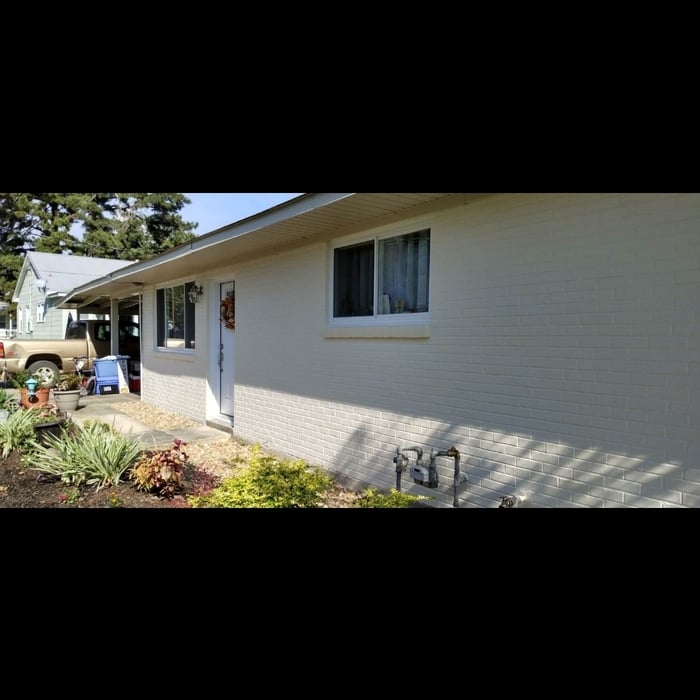
Whitewashing isn’t permanent, but it can last for a long, long time. When you apply it correctly or have a seasoned pro whitewash your brick, whitewashing can last for 20 to 30 years or longer. Whitewash is very durable and typically requires little maintenance, making it a great project for most DIYers.

There are deck restoration products and oil-based wood stains that can help bring back some of the color and shine to your faded Trex decking. However, if your boards are suffering from serious fading due to UV rays or chemical cleaning products, don’t expect miracles. Also, these products are only suitable for use on the older Trex boards, not the capped, second-generation Trex products. 

Whether to paint or stain a deck depends on your personal preference for appearance and budget. Stain provides a natural look with a range of undertones, is typically less expensive, and may only require one coat, but it does not last as long as paint. Paint offers a sleeker finish with a virtually unlimited color palette. Both options will protect your deck from outdoor elements like rain, snow, and general wear and tear.

Wood stain is typically dry to the touch within 6 to 12 hours, but it is not fully cured at this point. You should wait at least 24 hours before applying a second coat or a protective finish. For surfaces like decks, avoid walking on them for at least 24 to 48 hours, and wait even longer before placing furniture. The full curing process can take from 24 hours to one week, depending on the type of stain. Factors like high humidity and cold temperatures can extend drying and curing times, so it's wise to allow for extra time in these conditions.

Applying too much sealer to a deck might seem like extra protection, but it can cause more harm than good. Wood is a porous material with a limited capacity to absorb liquids. When you go overboard with sealer, the excess can't soak in and instead forms a film on the surface. This leftover layer is prone to peeling, cracking, and trapping moisture, ultimately defeating the purpose of sealing in the first place. 

The Jonesville, LA homeowners’ guide to deck staining services

From average costs to expert advice, get all the answers you need to get your job done.