



Top-rated basement waterproofing pros.

Best basement waterproofing pros near Gibson, LA

Enter your zip and get matched with up to 5 pros

Top-Rated Basement waterproofing pros in Gibson - Updated Nov 2026

Avatar for United Remodeling & Construction
United Remodeling & Construction
5.0(
3
)
Basement Drainage Channels - Install

Serving Gibson, LA and surrounding areas

In business since 1993

Free estimates

Credit card accepted

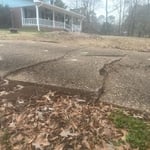
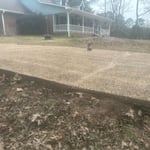
"I cannot sing praises enough. I have finally found a company that does what it promises when it promises. I already have plans to hire them again. I had damaged concrete decking that had to be broken out and repoured. No damage to any surrounding areas. Work was done timely and professionally. Additional wood reworking done seamlessly"
Additional Photos
Additional Photos
Additional Photos
Additional Photos
Additional Photos

+51

Recommended by100%of homeowners
Avatar for RG Services 2021
RG Services 2021
5.0(
3
)
Basement Drainage Channels - InstallBasement Drainage Channels - Repair

Serving Gibson, LA and surrounding areas

In business since 2021

Free estimates

Credit card accepted

"The guys at RG Services did an amazing job on my walk in tub install. The job was completed in a timely fashion, the craftsmanship is amazing, and the customer service was great. I highly recommend RG Services 2021 for any plumbing or remodeling related projects."
Limpieza residencial

+17

Showing 1-10 of 17
Basement Waterproofing FAQs, answered by experts

It’s not the number of weep holes that should be of concern to builders but rather their spacing. Weep holes are usually spaced anywhere between 16 inches on center when using round tubes or wicking materials and 24 inches on center when using open-head joints. This is a more conservative spacing than the 33-inch maximum spacing on center that’s mentioned in the International Residential Code. All in all, the total number of weep holes a brick exterior should have will depend on the size of the structure.

Yes, crawl spaces can attract bugs, especially since moisture tends to build up in the space, and moisture attracts pests. A good way to prevent pest infestation in your crawl space is to install a vapor barrier—called crawl space encapsulation—on the interior to seal the space, along with a French drain or some other kind of foundation drainage system outside to keep runoff out of your crawl space. You can also seal foundation cracks and repair damages to cut off access to pests.

You don’t always need to install a dehumidifier in your encapsulated crawl space, but it might be a good idea in certain instances. If you notice obvious signs of condensation, mold, or musty smells permeating from your crawl space, a dehumidifier can help. It’s ideal for homes in humid areas.

In a worst case scenario, structural damage like rust on metal beams, rotting wood, and swelling on doors and windows can signal moisture problems that would benefit from a dehumidifier.

As the first layer of water protection for your roof deck and the building materials below, underlayment is designed to prevent water damage, so it’s okay if it gets wet. However, you shouldn’t rely solely on underlayment for protection. If rain interrupts your roof project and you have all of the underlayment down, you’ll likely be fine, but you should install shingles over that layer as soon as possible, as long-term exposure can lead to water damage.

Periodic inspections and addressing drainage issues prevent further damage.

The Gibson, LA homeowners’ guide to basement waterproofing services

From average costs to expert advice, get all the answers you need to get your job done.