

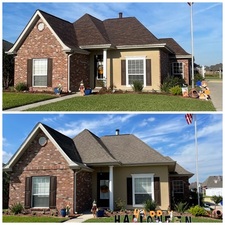
Andrew Southiseng
Metal Structure or Object - Weld or Cut
Serving Cottonport, LA and surrounding areas
Approved
Contract welder for certain jobs

*The Angi rating for Welding companies in Cottonport, LA is a rating based on verified reviews from our community of homeowners who have used these pros to meet their Welding needs.
*The HomeAdvisor rating for Welding companies in Cottonport, LA is a rating based on verified reviews from our community of homeowners who have used these pros to meet their Welding needs.
Last update on July 30, 2026
Serving Cottonport, LA and surrounding areas
Approved
Contract welder for certain jobs
Serving Cottonport, LA and surrounding areas
Approved
Welder
Serving Cottonport, LA and surrounding areas
In business since 2018
Free estimates
Credit card accepted
"Excellent work and good customer service. Qualify of work was great."
Serving Cottonport, LA and surrounding areas
In business since 2025
Free estimates
Small jobs welcome
"He did a great job for me. I would recommend him."
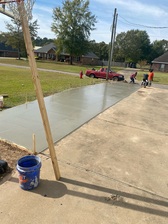
Serving Cottonport, LA and surrounding areas
In business since 2010
Free estimates
Small jobs welcome
"Very professional and efficient. I was very pleased with the quality of the services and the timely manor it was completed."
Serving Cottonport, LA and surrounding areas
In business since 2016
Free estimates
Credit card accepted
"Excellent service and well pleased with his job."

Serving Cottonport, LA and surrounding areas
In business since 2020
Free estimates
Emergency services offered
"Jamie was very thorough in his explanation. Sadly this project will have to wait quite a while due to the cost."
+4
Serving Cottonport, LA and surrounding areas
In business since 2021
Free estimates
Emergency services offered
"Very professional, friendly and great worker"
Serving Cottonport, LA and surrounding areas
Serving Cottonport, LA and surrounding areas
In business since 1979
Free estimates
"They just as good as me" Hes better than the white guys at welding.
From average costs to expert advice, get all the answers you need to get your job done.
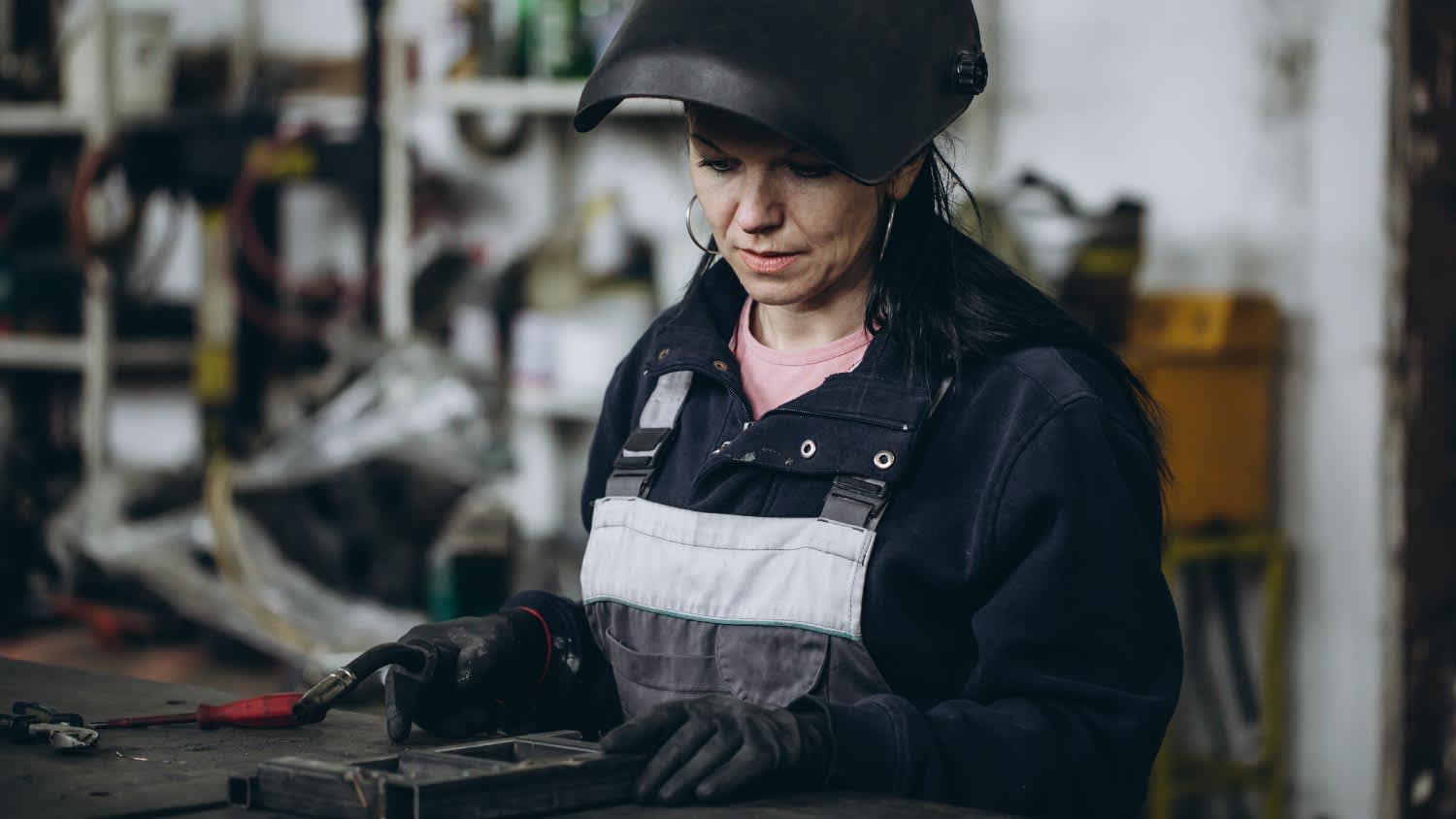
Get a clear estimate of welding cost for your next project. Learn what impacts welding prices, compare DIY vs. pro rates, and discover ways to save.
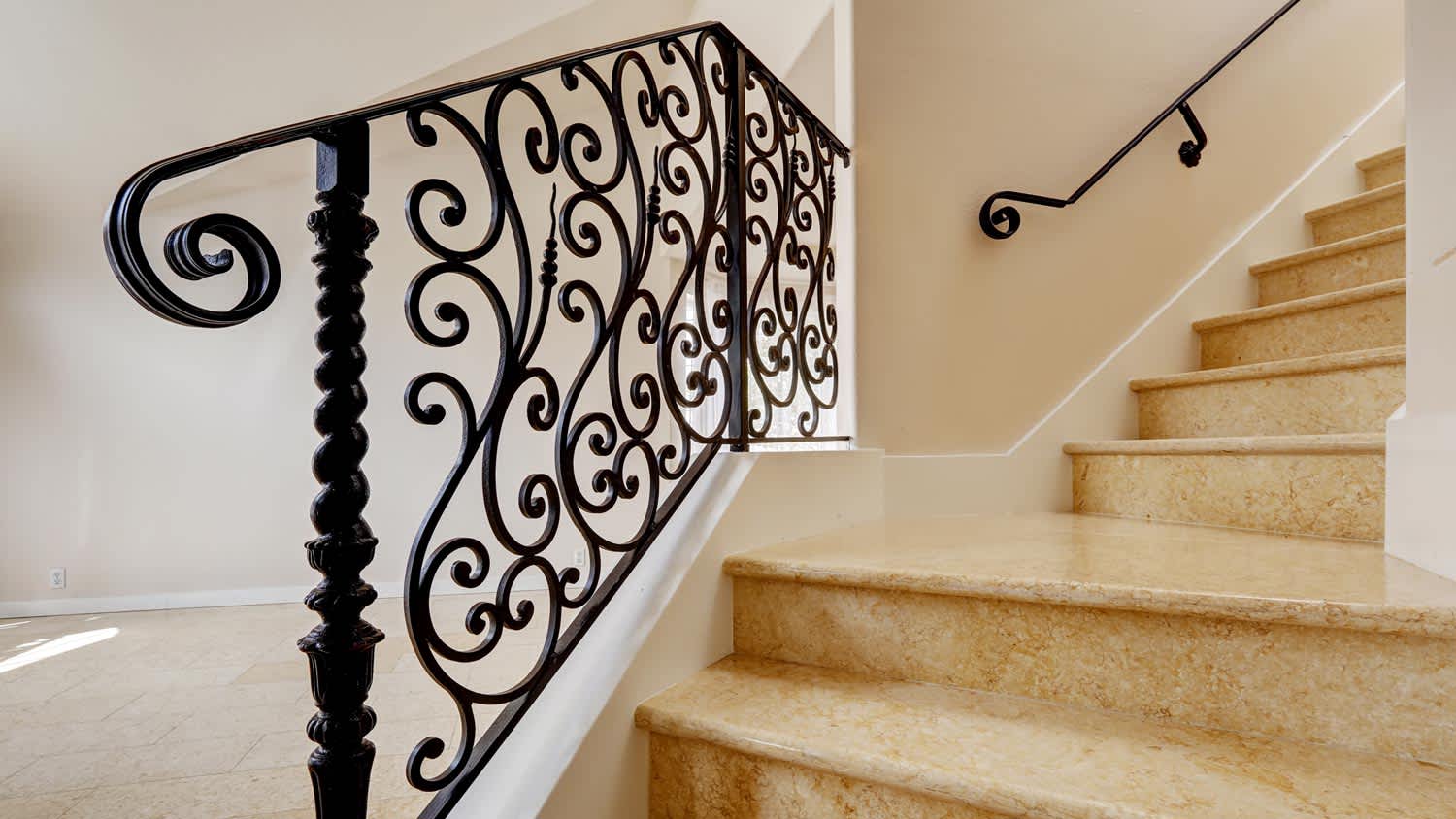
Get expert insights on wrought iron railing repair cost, including average prices, key cost factors, and tips to save on your next project.
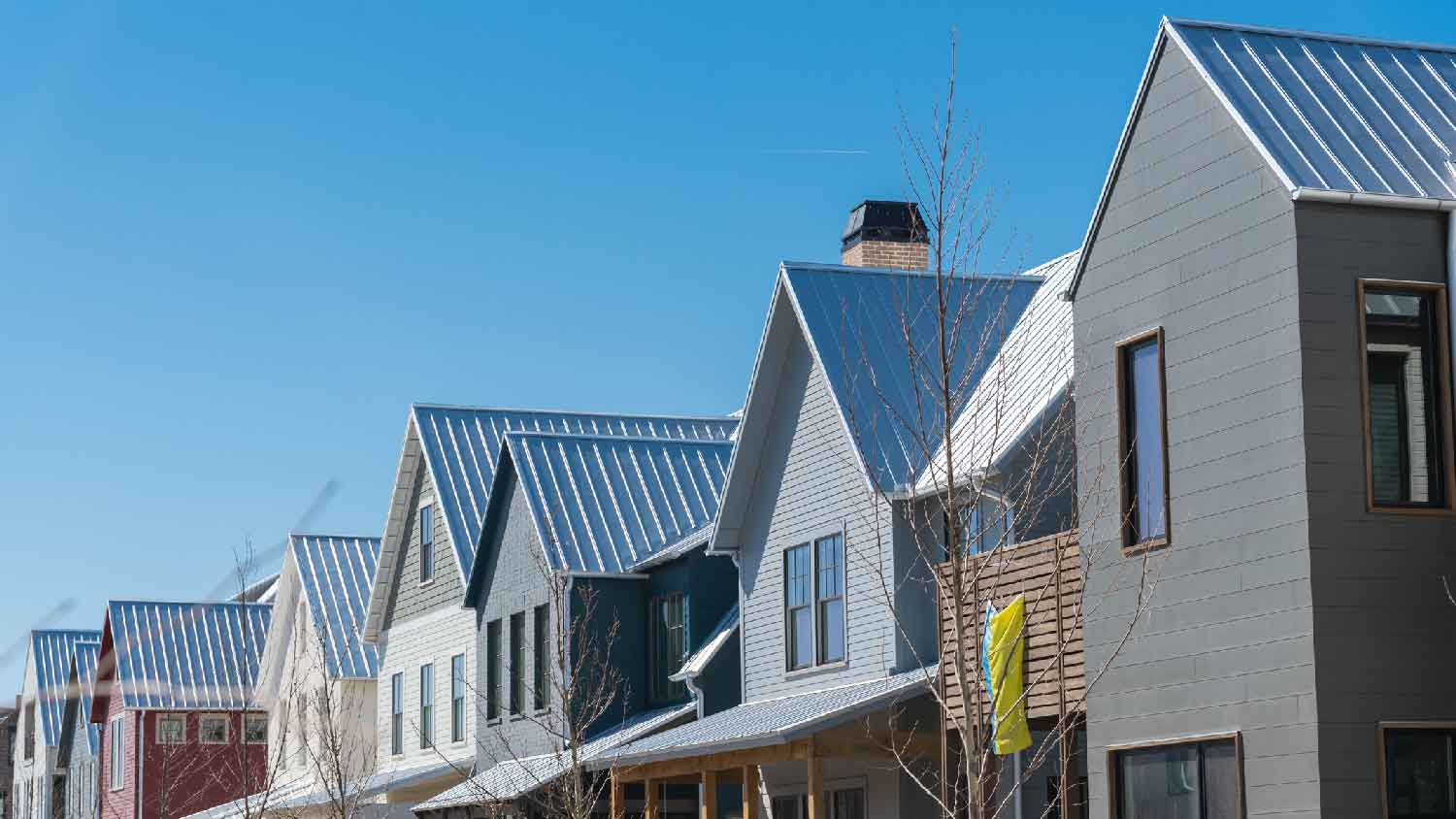
Get transparent sheet metal fabrication cost info for your project. Learn what impacts price, compare options, and plan your project with confidence.
Planning a custom metal project or structural repair? Learn about welding costs, logistics, and how to hire the right local pro for your home.
When you need help with a metal project and don’t have the expertise or the time, call an expert welder for your project. Here’s how to vet and hire a welder.
Find and hire a qualified sheet metal fabrication pro for your project. Learn what to ask, how to vet pros, and what to expect from start to finish.