




Top-rated welders.

Get matched with top welders in New Haven, KY

Enter your zip and get matched with up to 5 pros

Need a pro for your welding project in New Haven, KY?

Select your specific project to find the pro for you.

Find Welders in New Haven

Avatar for Machado Contractors
Machado Contractors
New to Angi
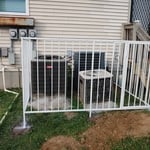
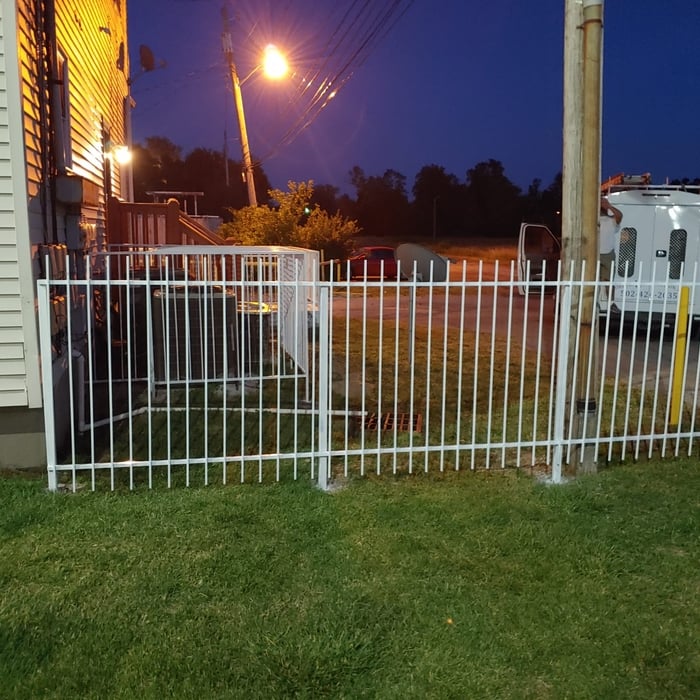
Wrought Iron Fence - Repair or Weld

Serving New Haven, KY and surrounding areas

Approved

Free estimates

Small jobs welcome

At Machado Contractors LLC, we take pride in delivering quality workmanship, honest pricing, and reliable service. From fencing, decks, railings, and pergolas to interior and exterior home improvements, we treat every project as if it were our own. Our goal is simple: provide excellent results, clear communication, and a stress-free experience from start to finish.

Walter's Welding and Fabrication
New to Angi
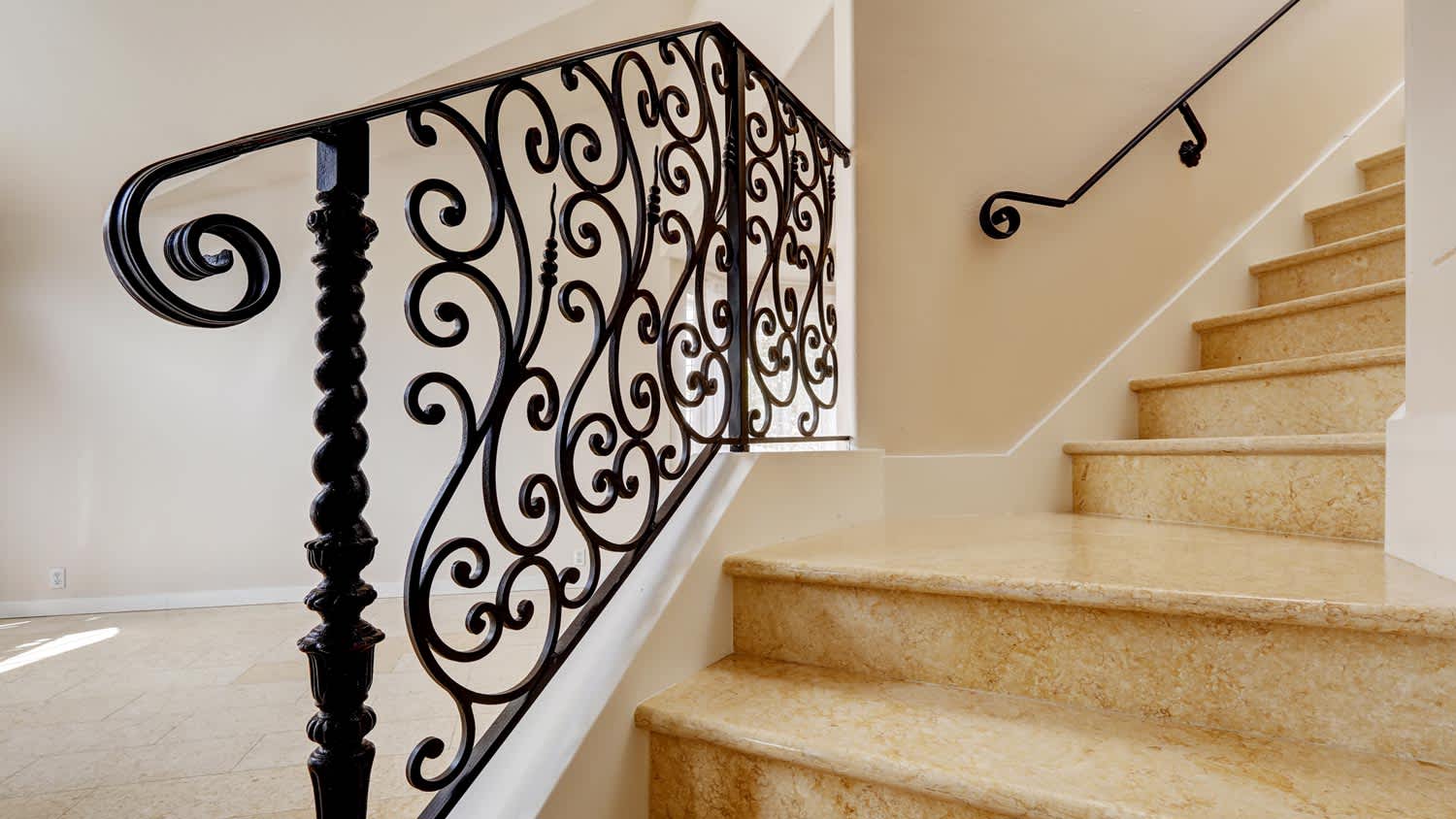
Metal Stairs and Railings - RepairMetal Structure or Object - Create CustomMetal Structure or Object - Weld or Cut+3 more

Serving New Haven, KY and surrounding areas

In business since 2019

Offers commercial services

35 yeras expereince\nim just a done county boy i aint got no education\nive done all major welding in the mines and am lookin gto move to the private sector.\ni guauntee your work\nnobody;s ever brought anythign back and said it was bad

Showing 1-10 of 45
Welding questions, answered by experts

The cost to weld aluminum averages about $14 to $22 per pound. The type of metal factors into the overall cost of any welding project due to the cost of the materials and the expertise required to work with it. Some of the most common metals used by welders include:

  • Magnesium alloy: $7–$16 per pound

  • Low-carbon steel: $11–$12 per pound

  • Stainless steel: $13–$15 per pound

  • Copper/brass: $24–$29 per pound

  • Cast iron: $38–$79 per pound

  • Titanium: $60–$85 per pound

Yes, you can use a saw to cut metal pipes. The best saw to use is a reciprocating saw, but even a fine-tooth hacksaw can get the job done. No matter which saw you use to cut metal pipes, wear protective gear, like work gloves, safety goggles, and ear plugs. Apply a firm, steady pressure to the tool, and always ensure the pipes are secured so they don't move while you make the cuts.

This all depends on the tools you have on hand and whether you’re trying to cut a straight line or shapes. 

The best tool to use for straight lines is either a circular saw or table saw. When cutting shapes, a jigsaw will be the easiest and most precise tool to use. 

Cutting round ductwork requires precision and the right tools. A duct cutter, specifically designed for circular ducts, is ideal. First, mark the cutting line on the duct using a measuring tape and pencil. Then, position the duct cutter's blade on the marked line. Apply steady pressure, rotating the cutter around the duct. The sharp blade creates a clean, precise cut. Alternatively, a reciprocating saw with a metal-cutting blade can be used for larger round ducts. Ensure the duct is securely held in place while making the cut to prevent slips and maintain accuracy.

It will likely take an experienced pro less than an hour to install a ground rod, which is another reason why letting them handle the job is such a good idea. Safety concerns aside, it would likely take you much longer to install a ground rod if you decided to take this one as a DIY job.

The New Haven, KY homeowners’ guide to welding services

From average costs to expert advice, get all the answers you need to get your job done.