


Top-rated landscapers.

Get matched with top landscapers in Ferguson, KY

Enter your zip and get matched with up to 5 pros

Need a pro for your landscaping project in Ferguson, KY?

Select your specific project to find the pro for you.

TRUSTED BY FERGUSON, KY HOMEOWNERS

  • Average homeowner rating star icon4.7
    Average homeowner rating
  • Verified reviews icon23
    Verified landscaping services reviews

Find Landscapers in Ferguson

Avatar for ForeverLawn Central Kentucky
ForeverLawn Central Kentucky
New to Angi
Landscape - Install Synthetic Grass for Landscaping, Putting Greens, etc. - For BusinessLandscape - Install Synthetic Grass for Putting Greens, Play Areas, etc.

Serving Ferguson, KY and surrounding areas

Approved

In business since 2021

Free estimates

Credit card accepted

Our company invites you to experience prompt service and superior attention to detail. Our customer satisfaction is our top priority. We will earn your trust for a lifetime. We believe in making all clients repeat clients. You can be assured you're in good hands with our company working on your home improvement project. If you are looking for a contractor that follows business practices such as promptly returning phone calls, arriving on time for appointments and following through on promises then call our reputable company today We will be the one and only contractor you'll ever need. Call us today you'll be pleased you did. Thank you!\n

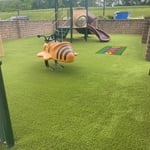
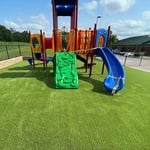
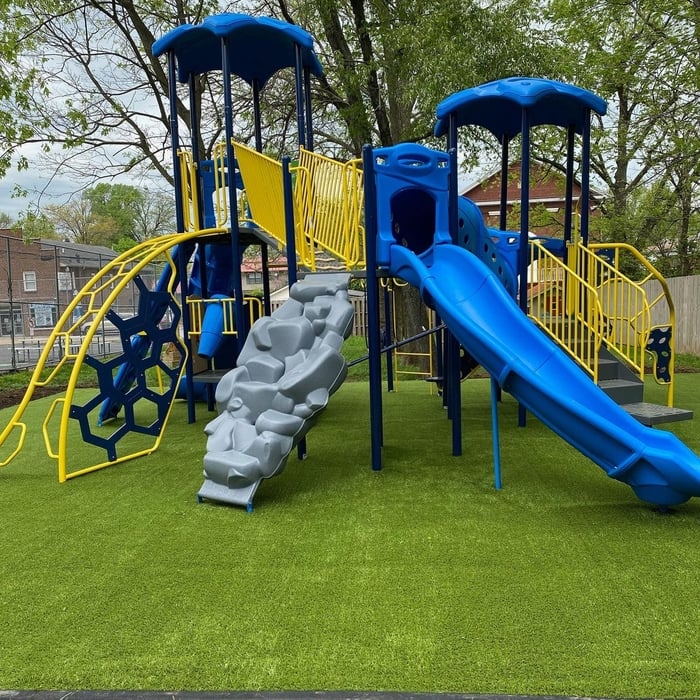
Playground Grass
Playground Grass
Playground Grass
Playground Grass
Playground Grass

+16

Response time2 days
...
Showing 1-10 of 170
Landscaping questions, answered by experts

The best time to plant is between spring and autumn. Springtime weather is typically mild and is when nurseries start to bloom. When the summer weather arrives and it’s hot out, it’s best to avoid planting bare-root plants, but you can still plant many in-container varieties. The first sign of fall is another great opportunity to plant biennials if you live in southern states, or a lovely vegetable garden up north.

You should plant trees at least 15 to 20 feet away from your house, and more if the tree will grow large and spread its limbs. Trees pose several dangers to houses when planted too close. They can litter the roof with leaves and branches, create fire hazards, make a ladder for larger pests, and even damage the foundation as their roots grow.

As much as you might try to keep a healthy, nutrient-rich lawn, you still may notice signs of St. Augustine decline (SAD)—a viral disease that discolors your grass blades. St. Augustine decline looks like:

  • Discoloration in the leaves (chlorosis)—leaves appear yellow and splotchy

  • Decline in growth

  • Leaves turn black within 3 years

  • Grass appears less vibrant

  • Grass begins to thin

  • Root rot

  • Grass takes longer to recover

In addition to aloe vera and lilac, other effective humidity-reducing plants include peace lilies, Boston ferns, English ivy, spider plants, and lucky bamboo. These plants thrive in humid environments and can naturally lower moisture levels. Place them in areas prone to dampness for the best results.

If shade is a priority for you, then panting elm trees is a fine choice. A full mature elm tree has enough aesthetic appeal for some folks that it could add value to your home. 

That said, never plant elm trees too close to your home, sewer line, or sidewalks, as their roots can damage these, which can lead to costly repairs.

The Ferguson, KY homeowners’ guide to landscaping services

From average costs to expert advice, get all the answers you need to get your job done.