




Top-rated bird control service pros.

Get matched with top bird control service pros in Minneapolis, KS

Enter your zip and get matched with up to 5 pros

Need a pro for your bird control service project in Minneapolis, KS?

Select your specific project to find the pro for you.

Find Bird control service pros in Minneapolis

Batman Enterprises
4.1(
13
)
Pest Control - Birds and BatsPest Control - Birds and Bats - For Business

Serving Minneapolis, KS and surrounding areas

In business since 2000

Free estimates

Offers commercial services

"I called on behalf of my mom at 9:00 at night and he was at her house at 9:30! We are so thankful and I am so happy she was able to sleep knowing there wasn't a bat flying around her house anymore. Thank you so much, Brad! I will recommend to everyone who has a bat issue."
Response time1 day
Recommended by90%of homeowners
Bird Control questions, answered by experts

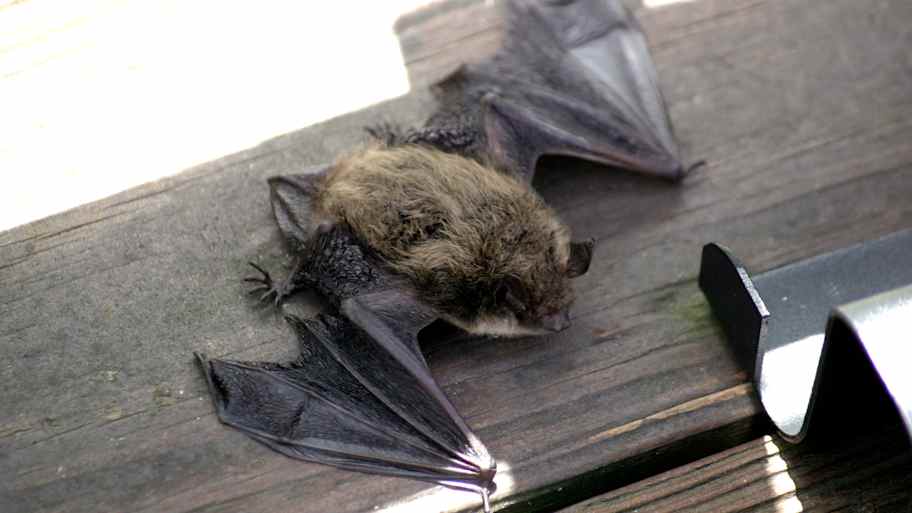
Finding a dead bat in your home can be frightening, even during spooky season. The United States Department of Interior states that if you find a dead bat, take these steps:

  • Contact your state wildlife agency to report the finding

  • Photograph the bat safely to help the wildlife agency determine the species

  • Use disposable gloves to place the bat into a plastic bag, making sure to spray with disinfectant and close the bag securely 

  • Thoroughly clean your hands and any clothing that came into contact with the bat

If you see one dead bat, you might have a large bat infestation that needs to be treated immediately. Call a local pest control company to properly inspect your home for other bats.

The best time of year to remove bats is autumn until spring. In fact, many states have restrictions on bat removal, mandating it to start sometime in August and go up until May. For some states, the removal period stops in March. Your pest control pro should know of any restrictions and can help you pick an optimal time for removal.

When woodpeckers start banging on your walls or roof, they are probably looking for insects to eat, storing nuts for winter, drilling a hole to make a nest, or communicating with other birds to establish territory or find a mate.

The size of the hole can help determine the reason for the pecking. Small irregular holes are a result of insect hunts. Acorn holes are more consistently sized and often fitted with a nut in the middle. Nest holes are large and have rounded edges. If the bird is pecking to mark its territory or attract a mate, it may leave dents rather than holes, and the noise will stop when the mating season starts in spring.

If a wild animal enters your yard, prioritize safety for yourself and the animal. Remember to avoid direct contact and always keep a safe distance. Contact local authorities or a wildlife rehabilitation center if the animal is hurt or in distress. Both sources should be able to guide you on how to proceed and send help if needed. Please wait for the animal to leave naturally for non-threatening situations, as many will. To deter future visits, implement measures like securing trash cans, sealing entry points, and removing potential food sources.

Using audio and visual methods to discourage birds might work initially, but birds tend to acclimate to them over time. While chemical deterrents can show some effectiveness, their results can be inconsistent. Some may dissipate too quickly, and there's a risk they might cause unintended damage to your surroundings. Additionally, birds might become immune or resistant to the impact of such treatments.

The Minneapolis, KS homeowners’ guide to bird control services

From average costs to expert advice, get all the answers you need to get your job done.