Since 1932, Presto-X has been providing expert pest control services guided by the enduring principles of providing world class service to our customers and taking care of our colleagues. Presto-X covers your home or business with expert knowledge, professionally licensed and trained technicians, and exemplary service designed specifically for you.
Signs include visible nests, droppings, frequent loud noises, or structural damage caused by these animals, indicating a need for pest control intervention.
Methods include exclusion devices, netting, and sealing entry points. Professionals ensure compliance with local wildlife regulations.
Some birds of prey, like owls, hunt at night. Hawks are diurnal and need good light to see their prey. You could see them circling anytime from dawn to dusk. Species like the common red-tailed hawk are most active in the early morning and late evening when their prey is also typically on the go.
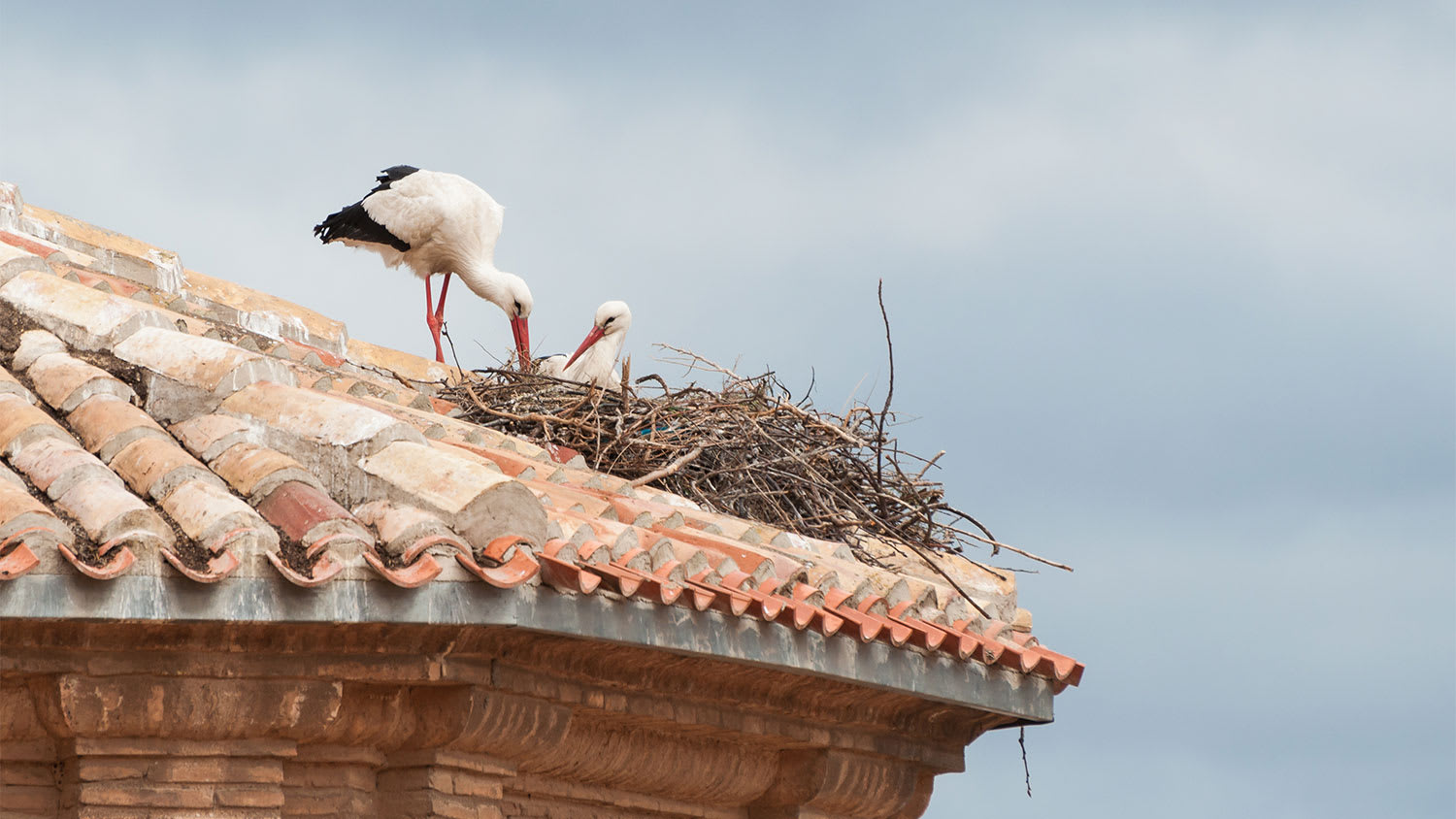
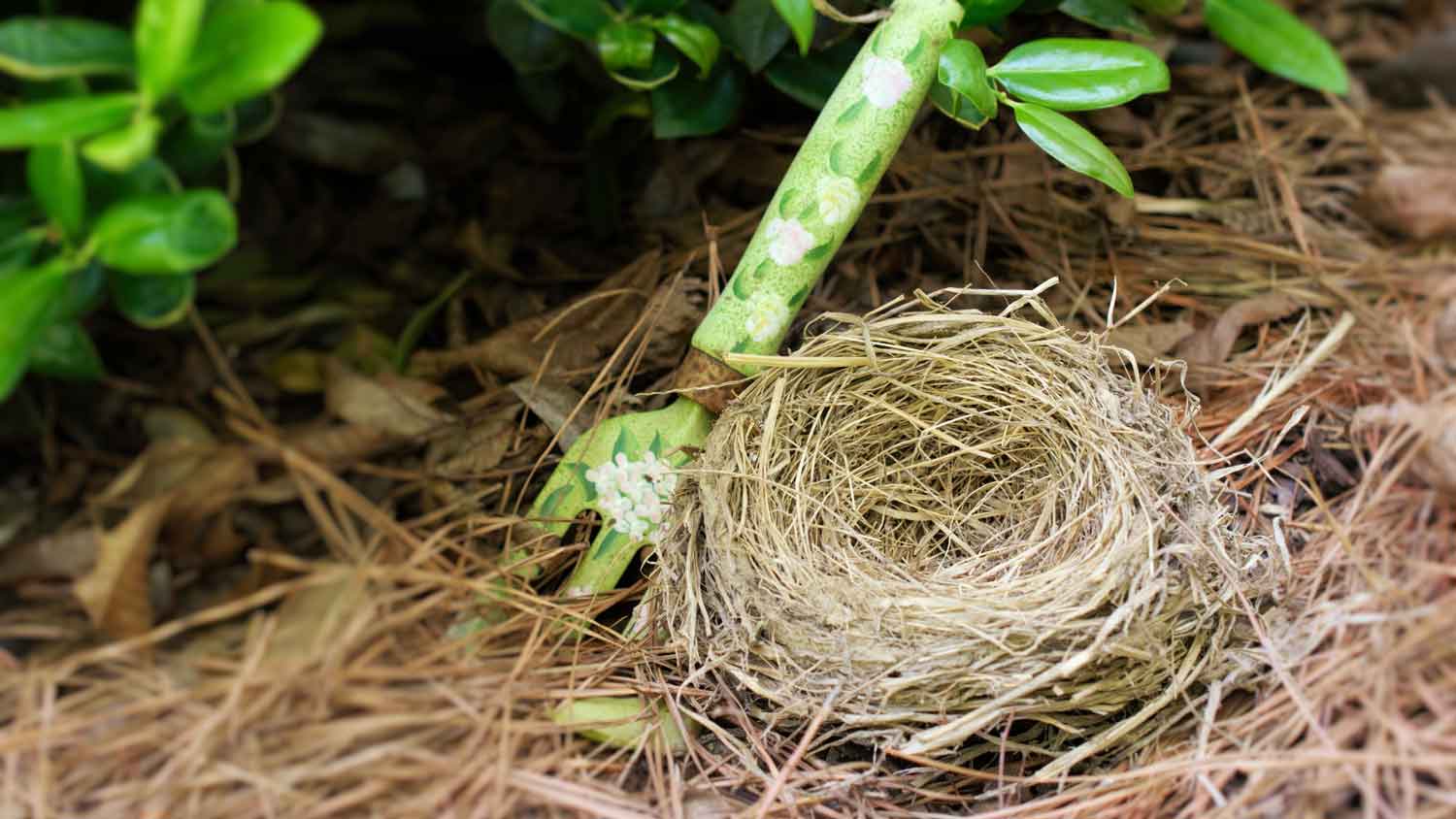
The lifespan of a bird's nest depends on the species. The building process can take from two days to three weeks. Once built, the nesting period for baby birds can last from two to ten weeks before they leave the nest. While most young birds are ready in two to six weeks, some predatory species may need up to two and a half months. Some species nest four to five times per year, so a nest could remain in use for several months. For specific information about a particular nest's longevity, it is best to consult a wildlife professional.
Yes, in some cases if your damper is left open, animals can come down your chimney. In these instances, it’s more likely that they have fallen in while looking for a safe spot rather than entered your house intentionally. Leaving your damper closed or installing a chimney cap can prevent animals from coming inside.
The La Harpe, KS homeowners’ guide to bird control services
From average costs to expert advice, get all the answers you need to get your job done.
Sometimes birds nest in unwelcome places. Find out how much bird nest removal will cost based on factors like location, bird species, and preventative measures.