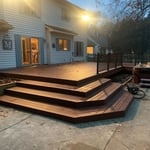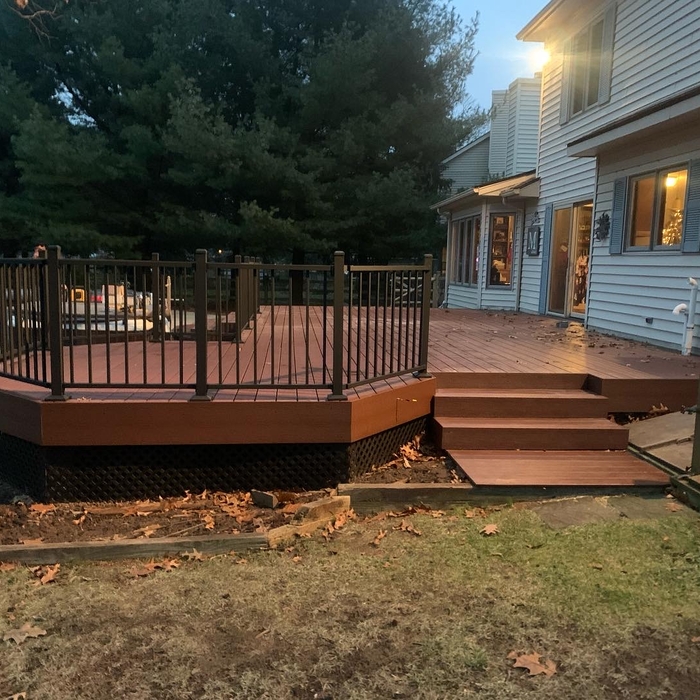





Top-rated deck staining pros.

Get matched with top deck staining pros in Westville, IN

Enter your zip and get matched with up to 5 pros

Need a pro for your deck staining project in Westville, IN?

Select your specific project to find the pro for you.

TRUSTED BY WESTVILLE, IN HOMEOWNERS

  • Average homeowner rating star icon4.5
    Average homeowner rating
  • Verified reviews icon249
    Verified deck staining services reviews

Find Deck staining pros in Westville

Avatar for Miranda Painting
Miranda Painting
5.0(
8
)
Exterior Home or Structure - Paint or StainExterior Home or Structure - Paint or Stain: LargeExterior Home or Structure - Paint or Stain: Medium

Serving Westville, IN and surrounding areas

Approved

In business since 2024

Free estimates

Credit card accepted

We have 20 years experience and specialize in interior and exterior painting services. We are fast & flawless and offer great prices. We pride ourselves on the quality work we provide, while delivering great customer service. Please see the services we offer below and call -or- click to schedule a free estimate today

Gallery
Gallery
1 neighbors recently requested a quote

Recommended by87%of homeowners
...
Showing 1-10 of 101
Deck Staining questions, answered by experts

Yes, you can waterproof any wood that has not already been treated. A good way to test this is to splash some water on it. If the water starts to bead up, the wood is treated and most likely doesn’t need another coating.

Yes, it is important to wash your deck before painting to ensure the paint applies well and adheres properly. While you don't have to use a pressure washer, it is one of the most efficient cleaning methods. Pressure washing can quickly remove dirt, wood fibers, and flaked paint, getting deeper into the wood than manual scrubbing. You can also clean the deck with a stiff broom and a cleaning solution. Regardless of the method, a clean surface is essential for good paint adhesion. Make sure the deck is completely dry before applying any paint.

Limewash and whitewash are two techniques used to give brick a light, matte finish, but they differ in composition, application, and permanence. The best choice depends on your aesthetic goals and the specific surface.
Composition

  • Limewash: A natural and environmentally friendly option made from limestone, water, and sometimes pigments. It is breathable and soaks into porous surfaces like brick.

  • Whitewash: Traditionally made from lime, water, chalk, and binders, but a similar look can be achieved with watered-down white paint. It is paint-based and sits on top of the surface.

Appearance and Finish

  • Limewash: Provides a natural, textured appearance that allows the brick's character to show through. It offers a more traditional finish.

  • Whitewash: Creates a softer, more opaque finish, often used for a rustic or shabby-chic style.

Application and Permanence

  • Limewash: Is semi-permanent and can be removed, making it a good choice if you might want to change the look in the future. It requires more skill to apply and cannot be used on previously painted brick.

  • Whitewash: Is a more permanent solution. It is more forgiving to apply and can be used on painted brick. However, because it sits on the surface, it can trap moisture.

Ultimately, if you want a breathable, natural, and reversible finish for unpainted brick, limewash is a great option. If you need a more permanent, opaque coating that can be applied over painted surfaces, whitewash is the better choice. Whitewashing may also be more economical, costing approximately $1.40 to $4.20 per square foot.

It’s necessary for paint to completely dry before exposure to rain, and that drying time varies by the type of paint used. Oil-based paint takes 6 to 8 hours to dry on average, meaning that’s the minimum time needed between the last brush stroke and the first raindrop. Latex paint dries faster at around 1 hour, and acrylic paint is even quicker, usually drying in about 30 minutes. If rain is in the forecast, check the paint manufacturer's details before laying on a new coat. 

You may be wondering: can you paint cement? Fortunately, the answer is yes.

To change the color of your cinder blocks, you have two options. You can either paint them or stain them. Either way, you'll be able to choose from a wide range of color options. Some popular colors for cinder block painting include off-white shades and gray tones, which add a modern spin to the traditional gray blocks.

The Westville, IN homeowners’ guide to deck staining services

From average costs to expert advice, get all the answers you need to get your job done.