



Top-rated welders.

Get matched with top welders in Seymour, IN

Enter your zip and get matched with up to 5 pros

Need a pro for your welding project in Seymour, IN?

Select your specific project to find the pro for you.

Find Welders in Seymour

Mobile Welding
New to Angi
Metal Stairs and Railings - RepairMetal Structure or Object - Create CustomMetal Structure or Object - Weld or Cut+3 more

Serving Seymour, IN and surrounding areas

Approved

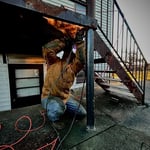
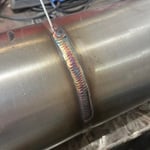
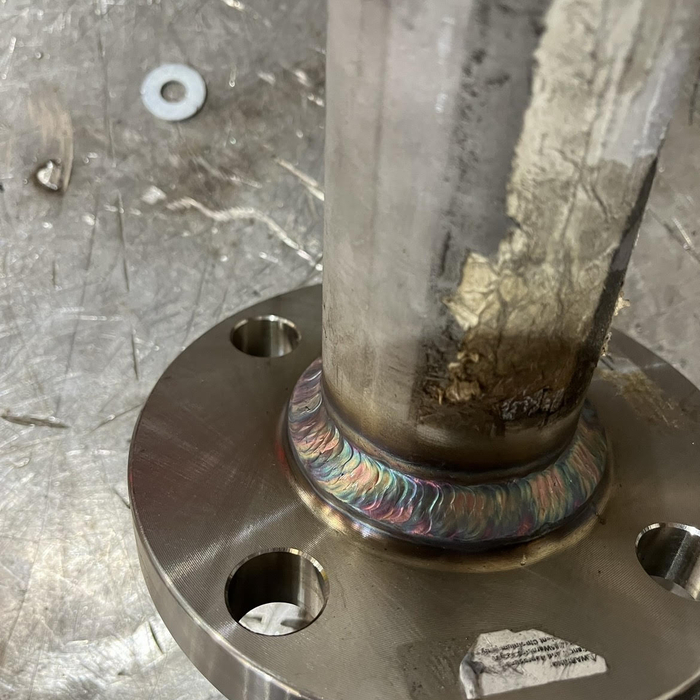
About Me\nHi, I’m a certified mobile welder and fabricator with years of hands-on experience working with steel, aluminum, and stainless. I specialize in custom fabrication, automotive welding, heavy equipment repair, and structural work. Whether you need a small repair or a fully custom build, I bring quality workmanship, attention to detail, and a commitment to getting the job done right the first time.\n\nI’m reliable, mobile, and can come to you with all the equipment needed to complete your project safely and efficiently. I take pride in delivering strong, clean welds and professional results every time.\n\nIf you’re looking for someone who’s dependable, skilled, and easy to work with, I’d be happy to help with your next project.

Showing 1-10 of 42
Welding questions, answered by experts

Yes, but you’ll need reliable steel-cutting tools and safety gear to get started. Shipping containers are typically around ¾ inch thick, so it’s entirely possible to cut through them, but experience and the right equipment are very important. When possible, try to get a container as close to the size you want it as possible.

Welding is the process of using extreme heat—and, sometimes, pressure—to attach two pieces of metal. In contrast, metal fabrication is a more involved process that can include welding, sheet metal work, bending, and other forms of metal manipulation. Metal fabrication is a large-scale project that may or may not involve welding, while welding is more often a step in larger fabrication projects.

Choosing the right metal fabricator for your project begins with research. Find a reputable fabrication company by searching for reputable contractors in your area, and then reviewing photos of their previous work, customer reviews, and photos of the company’s workshop.

Once you’ve narrowed down the list, contact the companies to ask about the types of metal fabrication projects they specialize and inquire about guarantees and warranties on workmanship. You should also ensure the company uses high-quality material, and ask about the schedule and turnaround time for your proposed project.

Cutting rectangular ductwork requires careful measurements and the right technique. Use a measuring tape and pencil to mark the cutting lines accurately. Tin snips are excellent for straight cuts on smaller ducts. For more extensive or thicker rectangular ducts, a reciprocating saw with a metal-cutting blade is effective. 

Ensure the duct is well-supported and secure while cutting to prevent wobbling and maintain precision. After cutting, use a metal file to smooth any sharp edges, ensuring safety during installation. 

Yes, you can use a saw to cut metal pipes. The best saw to use is a reciprocating saw, but even a fine-tooth hacksaw can get the job done. No matter which saw you use to cut metal pipes, wear protective gear, like work gloves, safety goggles, and ear plugs. Apply a firm, steady pressure to the tool, and always ensure the pipes are secured so they don't move while you make the cuts.

The Seymour, IN homeowners’ guide to welding services

From average costs to expert advice, get all the answers you need to get your job done.