



Top-rated lead testing and removal specialists.

Get matched with top lead testing and removal specialists in Palmyra, IN

Enter your zip and get matched with up to 5 pros

Need a pro for your lead testing and removal project in Palmyra, IN?

Select your specific project to find the pro for you.

Find Lead testing and removal specialists in Palmyra

Lead Testing and Removal questions, answered by experts

No, you can’t place hazardous waste in a dumpster unless you specifically ordered a dumpster for hazardous waste removal. If the dumpster company finds hazardous waste that it didn’t approve for dumping, the company will return the waste to you, and you’ll likely face a fine for illegal dumping.

Lead removal services typically cost between $1,000 and $5,000, depending on the extent of lead presence, the property size, and the complexity of the abatement process.

Some of the signs that could mean your water is contaminated, such as cloudiness or bubbliness, could also be non-problems that don’t affect your water’s potability. However, if your water smells or tastes strange, it’s a good idea to stop drinking it and test it immediately. If your well water is contaminated, the best way to discover that is to test it.

Iron sediments from rusty pipes are not likely to cause health problems. While a glass of yellow-hued water is off-putting, it is generally safe to drink yellow water in the short term. But you certainly want to address this problem. In the meantime, switching to bottled water until the yellow water issue is resolved is a good idea. 

According to the Environmental Protection Agency (EPA), hazardous waste is generally classified into four main categories:

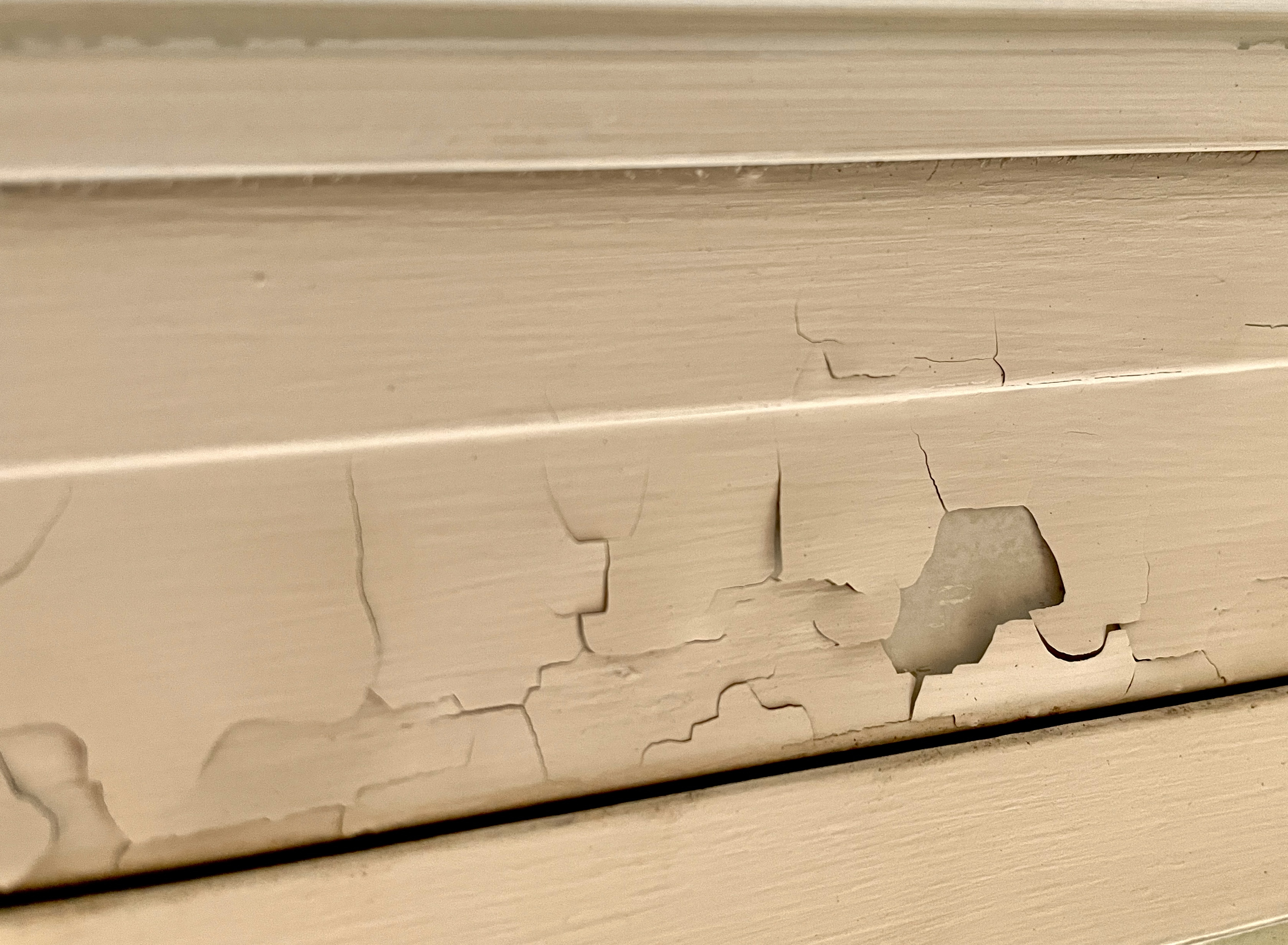
1. Characteristic Wastes: These exhibit at least one of four hazardous traits: ignitability (flammable, like gasoline), corrosivity (can rust or decompose materials, like car batteries), reactivity (unstable and can explode, like aerosol cans), or toxicity (harmful when ingested, like lead-based paint).

2. Listed Wastes: These are specific wastes from manufacturing and industrial processes that the EPA has officially designated as hazardous. They include byproducts from processes that use solvents, pesticides, and other chemicals.

3. Universal Wastes: These are commonly generated hazardous items that are subject to streamlined regulations. Examples include batteries, pesticides, mercury-containing equipment (e.g., bulbs), and some lamps.

4. Mixed Wastes: This category includes waste that contains both hazardous and radioactive components, making it subject to regulation by both the EPA and the Nuclear Regulatory Commission.

The Palmyra, IN homeowners’ guide to lead testing and removal services

From average costs to expert advice, get all the answers you need to get your job done.