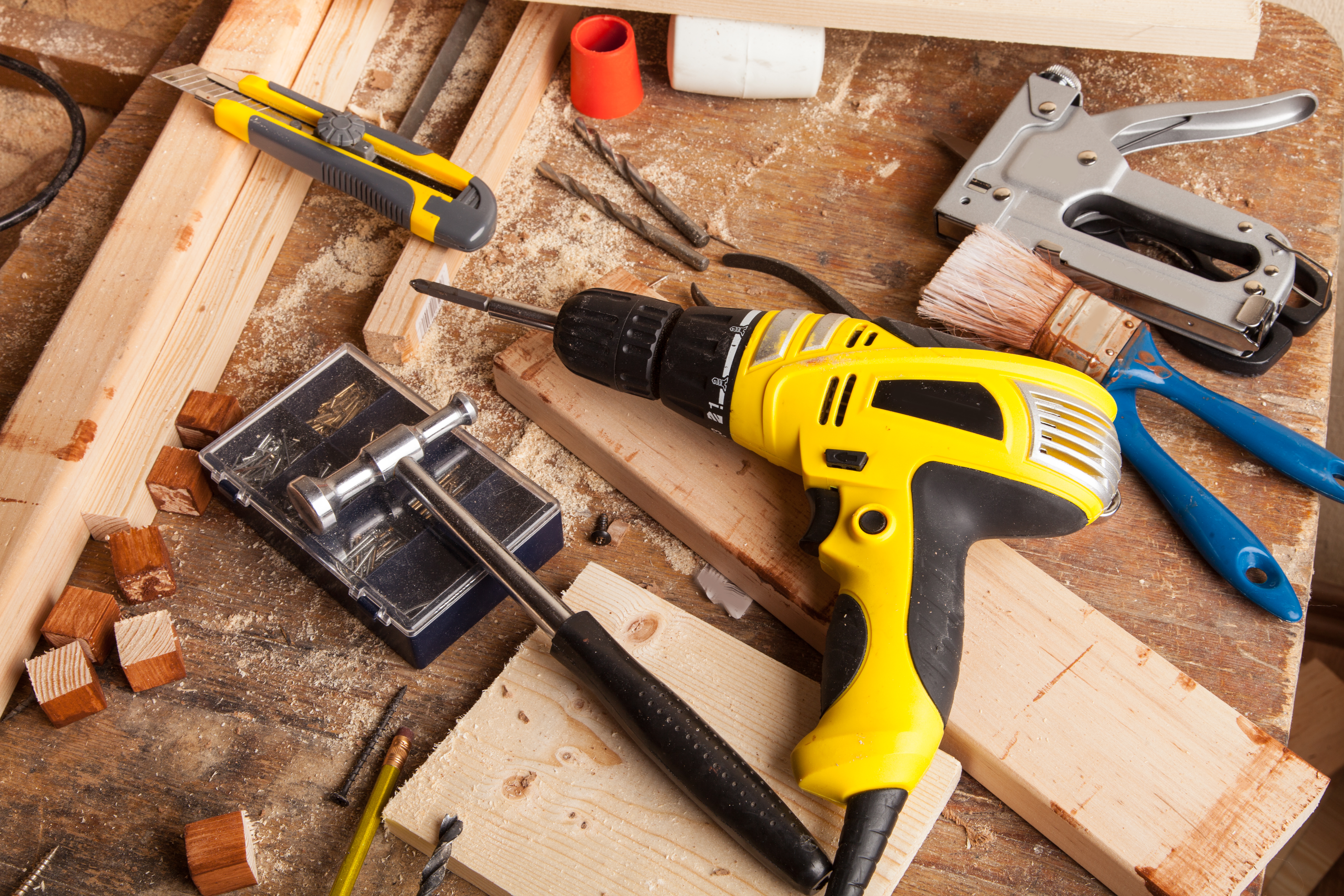
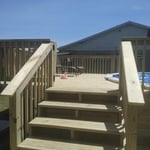
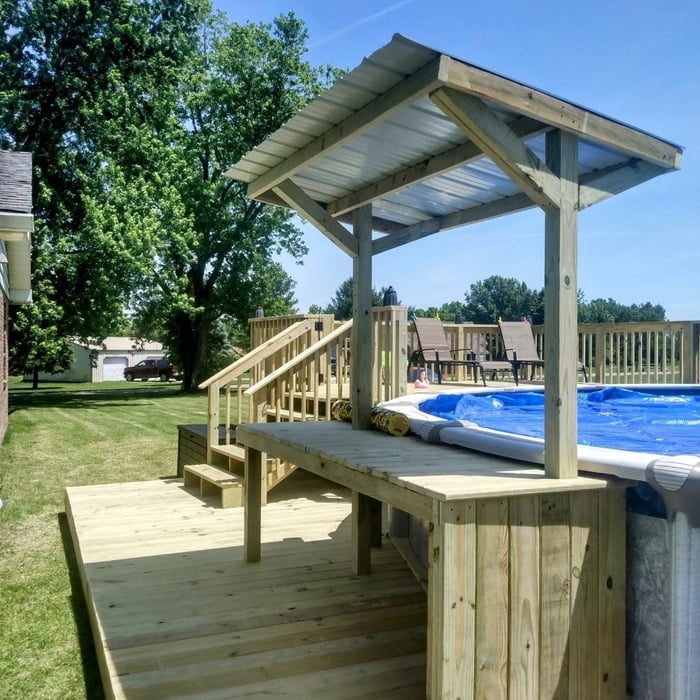
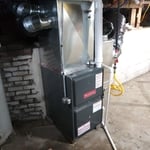
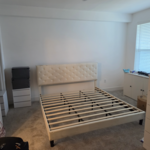
With over 30 years experience you can trust that Creative Home Interiors is the team you can trust with any and all projects for your home. Proudly serving the Vigo county community since 2004, we take pride in our work and it shines through our craftsmanship! Call today and you will see why we are the number one team in town!\n\nCash & Check ONLY
I've been working in HVAC for over 25 years, and at this point, there's not much I haven't seen or fixed. From quick repairs to full system installs, I take pride in doing the job right the first time. No shortcuts, no guesswork. I'm based out of Brazil, Indiana, and I'm willing to travel up to 100 miles to help homeowners stay comfortable year-round. Whether your heat goes out in the middle of winter or your AC quits during a heatwave, I show up ready to get things handled. I believe in honest work, fair pricing, and treating your home like it's my own. When you call me, you're getting experience, reliability, and someone who actually cares about keeping your system running the way it should.
I’m a hardworking person who doesn’t like to leave projects half finished or looking sloppy, I can be a bit of a perfectionist. I’ve always fixed and built almost everything I needed myself and I take pride in being self sufficient. I’ve been an electrician for a year and half now and before that I was fabricating aerators for private residences. I have a wife and two children, so I can handle the chaos of a whole house remodel even if you decide to alter any details halfway through.
I love to enjoy little projects around the house, i ran out of space for my projects so i am trying to keep up my entertainment by helping others that are in need. If its too hard for you or that you just dont have time to do it, i am your man
I am a Union tradesman \nPlasterer \nPainter\nCaulker\nWater proofer\nRoofer\nI can do so much more over the years ive become very talented in many construction environments. I habe osha 30 and various boom lifts, and scaffolding equipment.
I specialize in cabinet installation and solid surface/laminate countertops, with years of experience working in professional cabinet shops. My background allows me to deliver precise, well-planned installs with a strong attention to detail. I show up prepared, communicate clearly, and focus on quality results that last.
GBBR is dedicated to providing our customers with the best quality and\ncraftsmanship. We are here to build relationships with our customers and communities and to provide\nour employees with a great place to work. We look forward to working with you!
Pool Table Assembly questions, answered by experts
Concrete pools are very durable but can crack if not properly maintained. The most significant risk is winter weather and low temperatures when water can seep into crevices and freeze. To avoid damage, use the proper winterization chemicals, and don’t completely drain your pool. Concrete pool repairs cost around $75 per linear foot for small cracks.
Technically, you can fill in a pool yourself—with the caveat that filling in a pool requires the ability to drain the pool properly and move a substantial amount of dirt, which aren’t beginner DIY skills. If you want to fill in a pool, you’re better off hiring a local pool removal professional.
If you wait until fall or winter, you might see sales on pools and pool materials, enabling you to save a good amount on this home improvement project. Sometimes pool servicing companies try to make space for next year’s inventory, or the materials are cheaper when fewer construction projects happen during colder months.
It can take 24 to 48 hours to fill a 15,000-gallon pool with a garden hose. A hose will pump out anywhere from 4 to 12 gallons per minute, with the average hose resting somewhere between 8 to 9 gallons per minute. If you want to speed up the process, a water delivery service can fill your pool in a few hours or less.
Endless pool may refer to one of two things. For some, it’s a term used interchangeably with infinity pool. Because infinity pools don’t have a visible edge, they look endless. For others, it’s a brand of jetted lap pool. Endless pools are engineered to fit in small spaces, but provide the benefits of a full-sized pool (think: aquatic exercise or hydrotherapy). You can even use them indoors, and they’re relatively budget-friendly because of their small size.
The Jasonville, IN homeowners’ guide to pool table assembly services
From average costs to expert advice, get all the answers you need to get your job done.
Learning how much it costs to refelt a pool table is the first step to getting your game back in top shape. Here's what to know about each type of table.
If you’re not keen on spending your afternoon assembling flat-pack furniture, bring in the professionals. How much does furniture assembly cost? It can be shockingly affordable.
Pool tables and billiard tables come in a variety of sizes and designs. Read our buying guide to ensure you purchase the right one for your family’s gaming room.
Learn about home items that are nearly impossible to move without movers, either because they are awkwardly shaped, too heavy, or require special equipment.