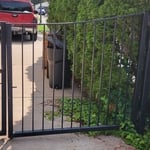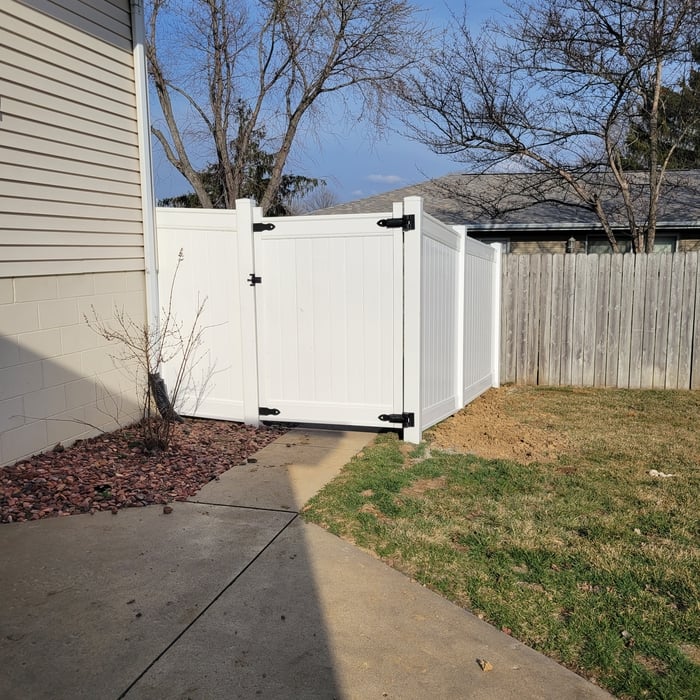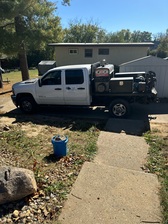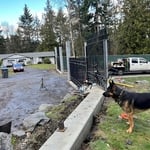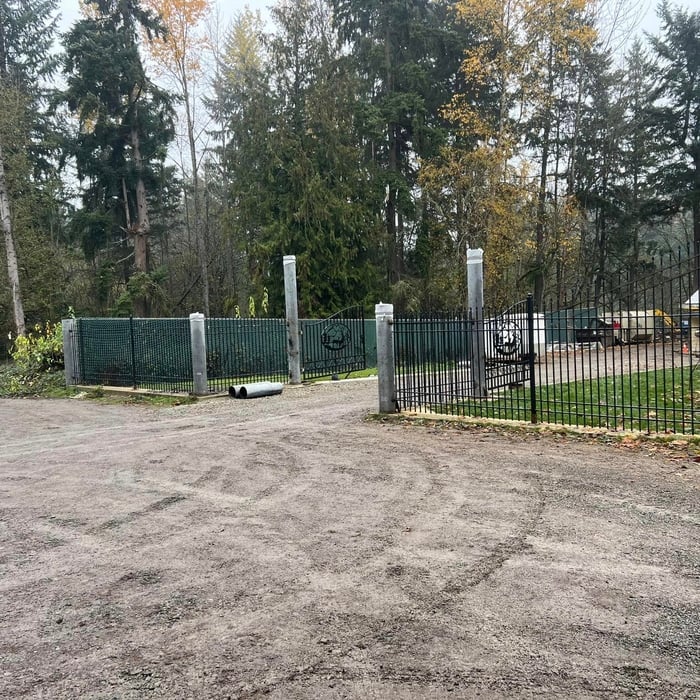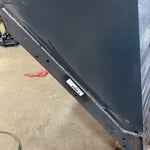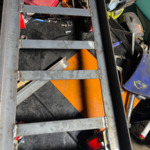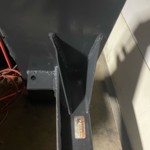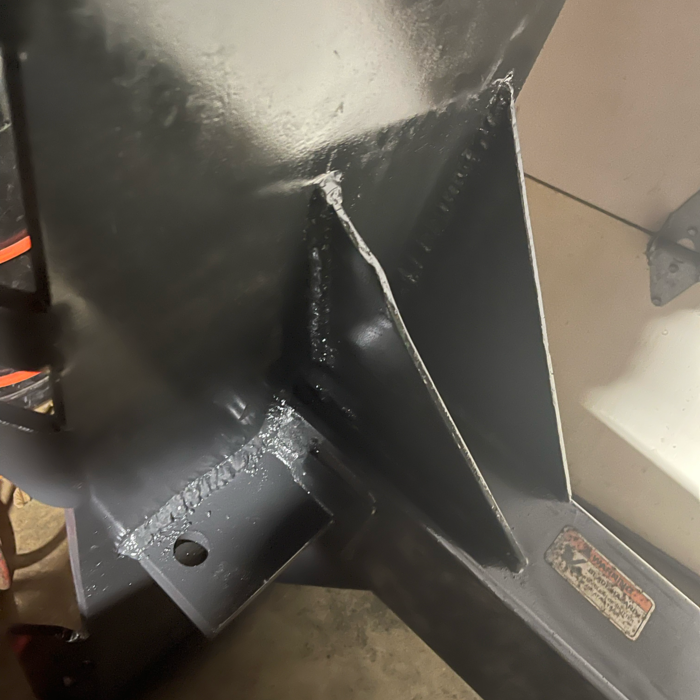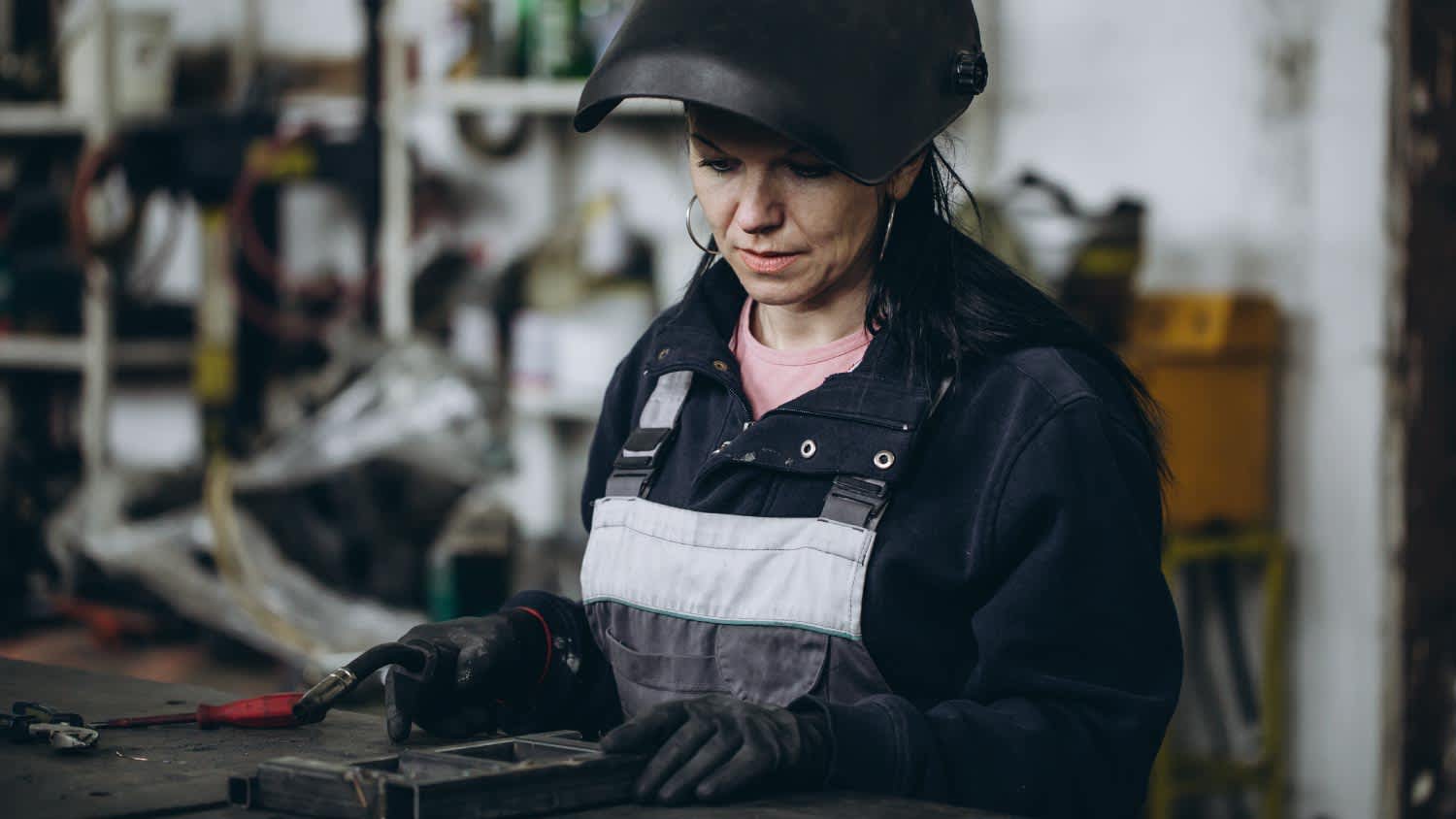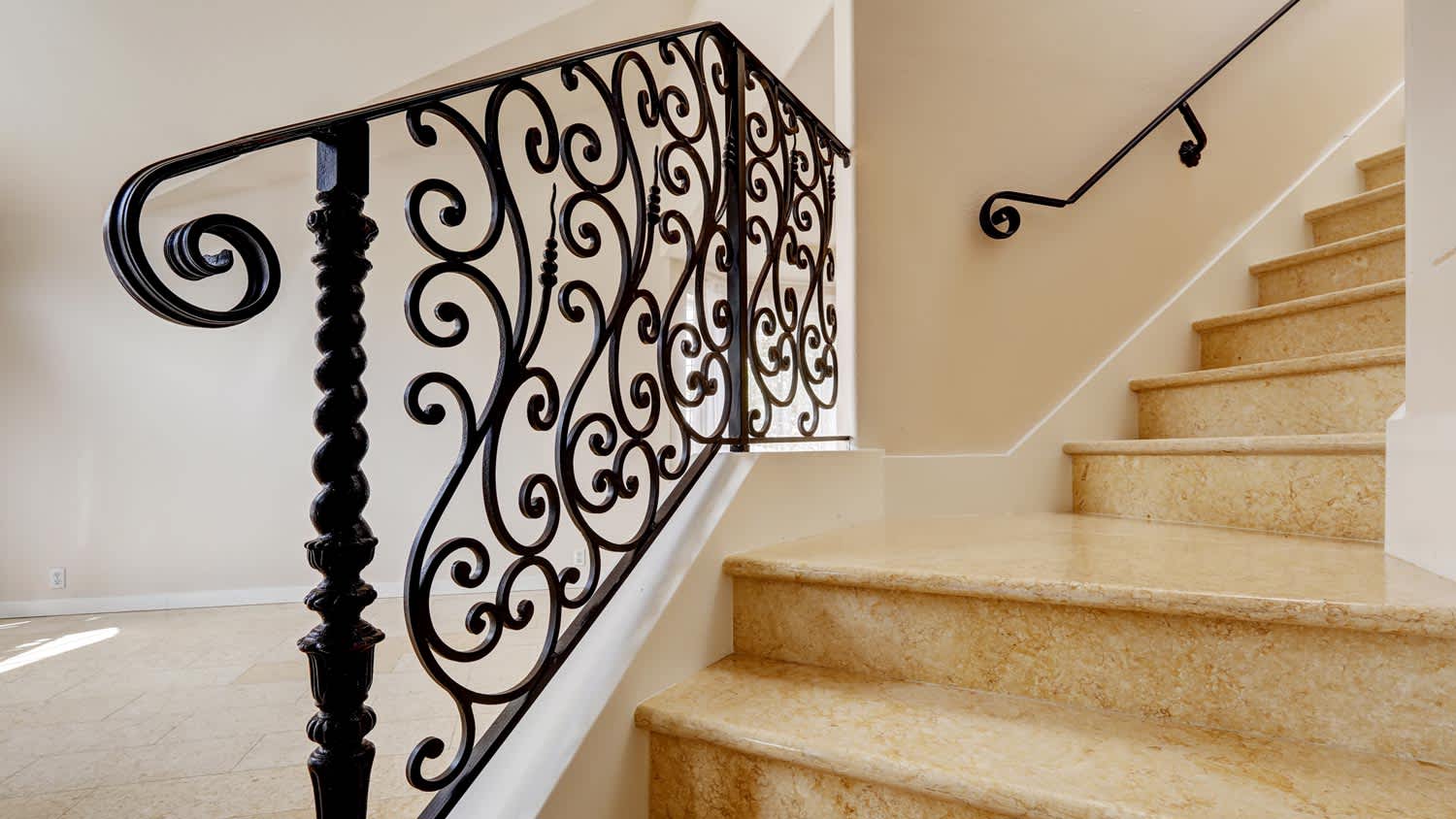







Choosing the right metal fabricator for your project begins with research. Find a reputable fabrication company by searching for reputable contractors in your area, and then reviewing photos of their previous work, customer reviews, and photos of the company’s workshop.
Once you’ve narrowed down the list, contact the companies to ask about the types of metal fabrication projects they specialize and inquire about guarantees and warranties on workmanship. You should also ensure the company uses high-quality material, and ask about the schedule and turnaround time for your proposed project.
There are a few things you can ask welders before you hire them to get an idea of their experience and ability levels:
Are you licensed and certified?
How long have you been in the welding business?
Do you commonly do the type of welding I need?
Do you offer any kind of warranty for your work?
Do you charge by the hour or by the project?
How long do you expect my welding project to take?
What steps do you take to minimize errors in your work?
Since water heaters are primarily made of metal, they’re commonly accepted by scrap yards and collectors. Don’t expect to fetch a high price, though—water heaters are mostly steel and aluminum, which aren’t high-value metals. Some components are made of more valuable metals, like brass and copper, but they’re a small portion of the heater and won’t affect the price much.
The cost to weld aluminum averages about $14 to $22 per pound. The type of metal factors into the overall cost of any welding project due to the cost of the materials and the expertise required to work with it.
Some of the most common metals used by welders include:
Magnesium alloy: $7–$16 per pound
Low-carbon steel: $11–$12 per pound
Stainless steel: $13–$15 per pound
Copper/brass: $24–$29 per pound
Cast iron: $38–$79 per pound
Titanium: $60–$85 per pound
Professional metal fabricators typically charge around $70 per hour, but the total cost of your project will depend on several factors. The largest cost drivers are the size, complexity, and design of the project, as well as the price and type of metal used. A good way to estimate the total cost is to multiply the cost of raw materials by four; typically, one-quarter of the total goes toward materials and three-quarters toward labor. Your geographic location can also influence costs, as labor and material prices vary by region.
The Minier, IL homeowners’ guide to welding services
From average costs to expert advice, get all the answers you need to get your job done.
Find the right steel beam installation company for your project. Learn what questions to ask, qualifications to check, and how to ensure structural safety.
Thermoplastic Polyolefin (TPO) roofing is a reflective membrane that can help save on your energy bills on hot and sunny days. Read this to see if a TPO roof is right for you.