


Top-rated haulers.

Best haulers near Marissa, IL

Enter your zip and get matched with up to 5 pros

Top-Rated Haulers in Marissa - Updated Nov 2026

Avatar for Vertical Network, LLC
Vertical Network, LLC
5.0(
2
)
Waste, Junk, Building Materials and Debris - Remove and Haul

Serving Marissa, IL and surrounding areas

Approved

"Chris and Frank with Vertical Network LLC were incredible! They took on a very challenging job in helping us remove an old safe from a home we just purchased. The safe was easily over 1500 lbs and they had to get creative with ways to remove the safe without causing damage. We were thoroughly impressed with their professionalism, and that they were able to remove the safe so efficiently and safely. We had no damage to our home or yard. We highly recommend them. They have the right equipment and right attitude for the job!"
Avatar for So. IL. E.S.
So. IL. E.S.
5.0(
2
)
Waste, Junk, Building Materials and Debris - Remove and Haul

Serving Marissa, IL and surrounding areas

Approved

In business since 2023

Free estimates

Credit card accepted

"He has installed 6 ceiling fans along with 6 new cam lights. He also installed 2 vanity lights in our bathroom. He has tinted our windows, hauled off junk, and mowed our lawn. He has cut down trees and removed them. He has also worked on my 2013 Subaru Outback."
2 neighbors recently requested a quote

...
Showing 1-10 of 79
Hauling FAQs, answered by experts

When scrap tires are properly recycled, they are often shredded into small pieces. This way, the materials within can be separated and used to manufacture various new products. This includes fuel, playground surfaces, sports fields, rubberized asphalt, mats, flooring, and filler for new tires. Some tires still end up in landfills, but this practice is becoming less common.

Dirt and other debris from land clearing, such as stumps and rocks, are considered construction debris in some states. What qualifies as construction debris varies from state to state, but it generally refers to any materials produced in the process of building, renovating, or demolishing structures.

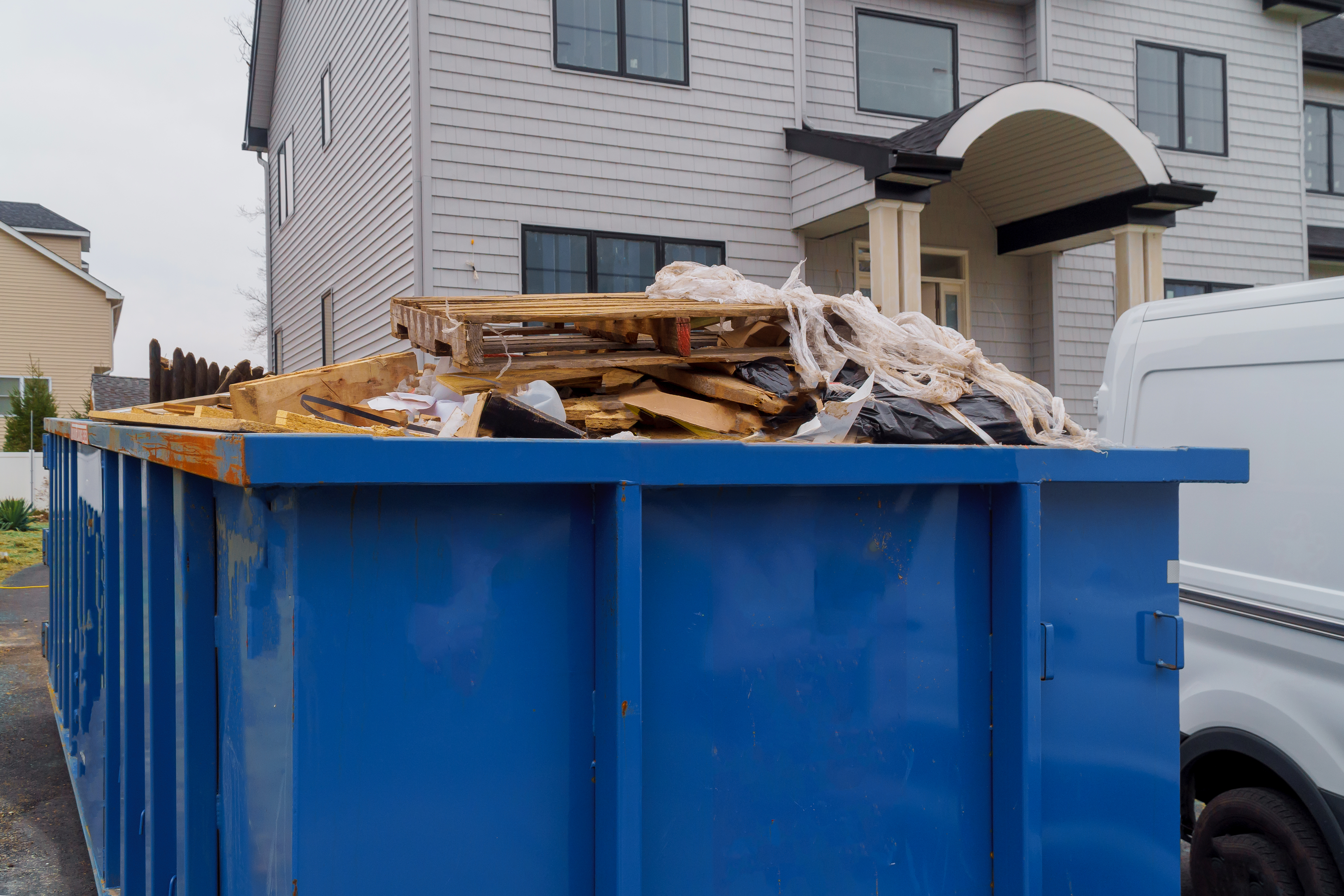
While a rented dumpster can handle a wide variety of materials, there are significant restrictions on what is allowed. Generally, you can dispose of most non-hazardous household junk, yard waste, and construction debris.

Accepted items typically include:

  • Furniture, carpets, old linens, and toys

  • Wood and yard debris

  • Small appliances and excess trash

  • Renovation waste like old finishes, building debris, and roofing materials (unless they contain lead paint or asbestos)

However, you cannot put toxic, flammable, or hazardous materials in a dumpster. Prohibited items almost always include:

  • Paint, gasoline, oil, and other fuels

  • Household cleaners and other chemicals

  • Electronics, batteries, and tires

  • Refrigerators, hot water tanks, and medical waste

Since regulations can vary by location and company, it is essential to check with your dumpster rental provider for their specific list of accepted and prohibited items before you begin.

While a biohazard cleanup sounds like a scary process, knowing what to expect can help ease your concerns and set you up for success. It’s good to note that more than one professional might be needed depending on your situation, but that will be determined during the assessment. What you can expect during a home biohazard cleanup is the following:

  • Assessment: The first step in this process is for a biohazard cleanup professional to assess the damage. They create a report that includes the biohazard safety level, the needed damage cleanup, and the time it should take to complete the project. 

  • Setup: The cleanup professional prepares the site to prevent cross-contamination and reduce toxicity risk. This process can include tarping and creating decontamination zones. 

  • Removal of surface contamination: Any contaminated materials are removed from the area, starting with large materials followed by small ones. The professional can assess any floor-related damage once everything is removed from the site. 

  • Salvaging items: The biohazard cleanup professionals assess which items can be saved and which are contaminated beyond the point of saving. Those deemed unsafe will be disposed of immediately. 

  • Waste disposal: The next step is carefully disposing of the hazardous waste. Your professional will place the contaminated items in specific containers to keep the contamination from spreading.   

  • Disinfection: The house will be disinfected and odor-neutralized. Even more minor details, like light switches and bulbs, will be disinfected so that they do not recontaminate the area in the future. 

  • Restoration: Once the decontamination is complete, the last step is to restore the home. This includes repairing the damage to flooring, walls, or even the home's foundation.  

To calculate how many dumpsters you need for your disposal project, take a close look at the number of items you’ll be disposing of and estimate or measure the total in cubic yards. From there, you can have the dumpster rental company inform you of their dumpsters’ capacities to determine how many you need.

The Marissa, IL homeowners’ guide to hauling services

From average costs to expert advice, get all the answers you need to get your job done.