







Top-rated weed maintenance pros.

Get matched with top weed maintenance pros in Durand, IL

Enter your zip and get matched with up to 5 pros

Need a pro for your weed maintenance project in Durand, IL?

Select your specific project to find the pro for you.

TRUSTED BY DURAND, IL HOMEOWNERS

  • Average homeowner rating star icon4.3
    Average homeowner rating
  • Verified reviews icon70
    Verified weed maintenance services reviews

Find Weed maintenance pros in Durand

No results for Weed maintenance pro in

Try adjusting your search criteria.
Weed Services questions, answered by experts

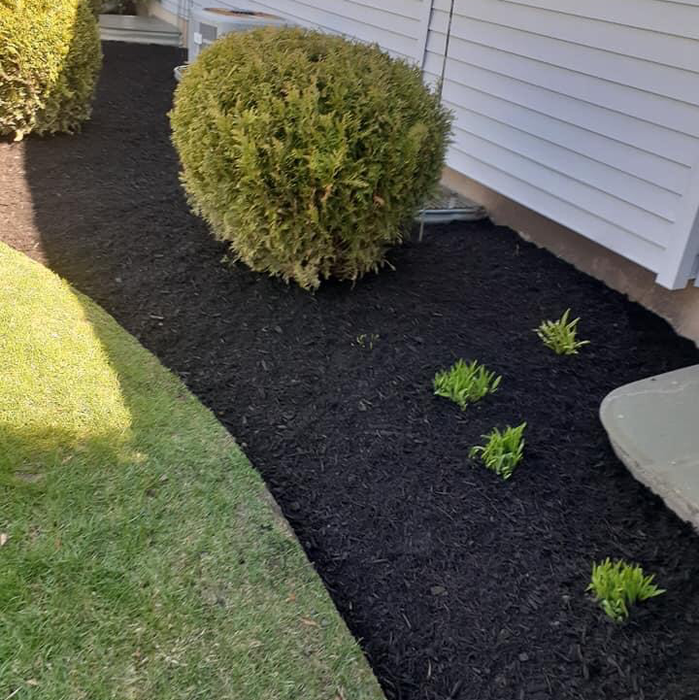
You should add 1 to 4 inches of mulch, depending on your garden type and needs. Keep in mind that no amount of mulch can completely prevent weeds, but a heavier coverage (closer to 4 inches) can suppress weeds enough that you are only seeing them sprout every few weeks. Finer mulch prevents weeds more effectively than large mulch, so if you’re using mulched leaves or shredded bark, 1 to 2 inches will likely suffice, while 3 to 4 inches is best for larger mulch, like bark chips or straw.

Lawns with steep slopes can benefit from having quack grass. Quack grass's long roots and runners can help to prevent soil erosion on hillsides. Additionally, bird lovers may enjoy the fact that quack grass seeds are an attractive food choice for their avian friends.

Burning is not a recommended method for controlling foxtail grasses. In a large pasture scenario, the fire moves too quickly through the weeds to effectively burn and kill the seeds, meaning they will resprout eventually. If your lawn is overrun with foxtails, it’s best to consult a lawn care professional for suggestions on how to permanently remove it from your property.

The hydroseed mix—known as a slurry—helps grass seed take root in many ways. Water combines with the mulch, allowing the grass seed to stay moist while grounded in the soil. The extra fertilizer then provides the boost the seed needs to flourish. In just a few weeks, you'll be ready to break out the lawnmower again.

Mowing your grass regularly, especially if you’re mowing close to the ground, can help kill Johnsongrass. Frequent mowing helps limit the spread of Johnsongrass and can even deplete carbohydrate reserves in rhizomes over time. The more time you leave in between mowing, the more likely Johnsongrass is to regrow and take over your lawn. 

The Durand, IL homeowners’ guide to weed maintenance services

From average costs to expert advice, get all the answers you need to get your job done.