
Top-rated custom home builders.

Best custom home builders near Dow, IL

Enter your zip and get matched with up to 5 pros

Need a pro for your custom home building project in Dow, IL?

Select your specific project to find the pro for you.

Top-Rated Custom home builders in Dow - Updated Nov 2026

Avatar for American Custom Homes
American Custom Homes
5.0(
3
)
Find a Custom Home Builder

Serving Dow, IL and surrounding areas

In business since 2000

Emergency services offered

Credit card accepted

"I would like to start off with precise, warm welcome and highly responsible of what they are doing. They really know what they are doing and from start from start to end it has been a great project with new experiences and great craftsmanship. Thanks again guys and i hope to have more work for you soon...
"
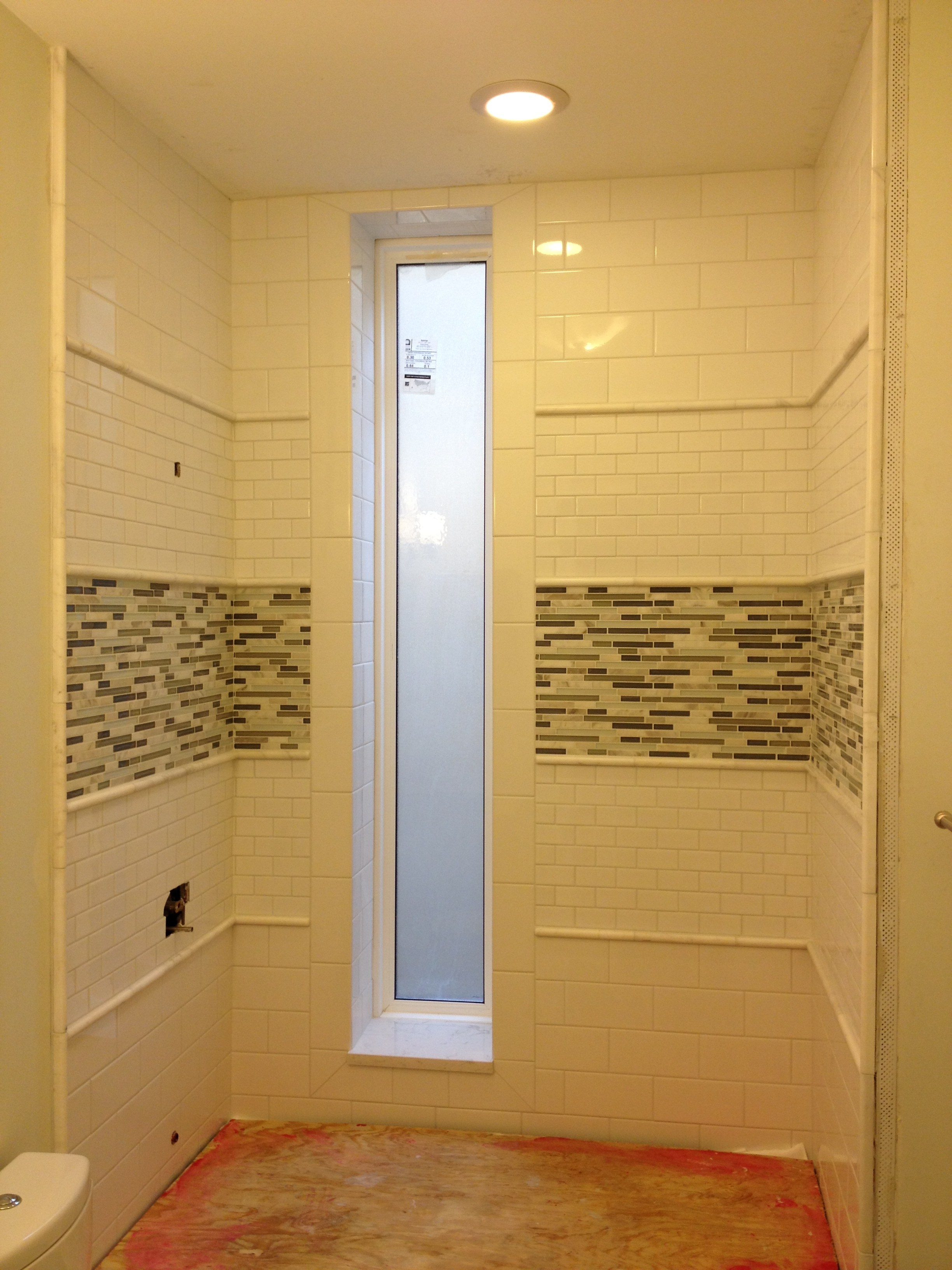
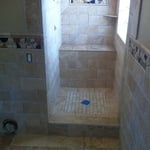
Stone Travertine
12x6 Travertine hand cut
Complete Steamer
Recommended by100%of homeowners
Avatar for Bigfoot Builders Inc.
Bigfoot Builders Inc.
3.4(
5
)
Find a Custom Home Builder

Serving Dow, IL and surrounding areas

In business since 2018

Free estimates

Credit card accepted

Bigfoot Builders is a professional residential remodeling company. We specialize in exterior solutions such as deck building and renovating, windows/doors/and siding. We specialize in interior solutions such as basement finishing, kitchen and bath renovations, as well as general remodeling.

Additional Photos
Additional Photos
Additional Photos
Additional Photos
Additional Photos

+13

Recommended by75%of homeowners
Showing 1-10 of 17
Custom Home Builders FAQs, answered by experts

Shipping container homes last at least 25 years on average, but they can last even longer with proper maintenance. Since shipping containers are made from metal, they’re quite vulnerable to rust and corrosion. This issue is exacerbated in coastal areas or areas with a lot of precipitation. To extend the life span of your container home, install siding that protects the exterior. 

Yes, you can finance new construction, though the process often requires a different type of loan than one for an existing property. There are several financing options available:

  • Construction-to-Permanent Loan: This is a common option where a single loan covers the building costs and then converts into a traditional mortgage once construction is complete and you move in.

  • Construction Loan (Stand-Alone): This type of loan provides funding only for the duration of the construction project. Once the house is built, you will need to pay the loan in full, typically by securing a separate, standard mortgage.

  • Builder Financing: Some custom homebuilders offer their own financing options, which may only require a down payment to begin the building process.

  • Bridge Loan: This can be a useful short-term loan to fund your new construction while you are in the process of selling your old home.

  • Home Equity Options: If you are building a second home, you might be able to use a home equity line of credit (HELOC) or a cash-out refinance on your current property.

It's also important to be aware that some lenders may have restrictions on financing for DIY house builds, so be sure to verify that you can secure financing before starting your project.

Ranch and colonial-style homes are often the most affordable to build. They have a common layout with available designs that are easy to adjust in simple ways without having to spend too much on a structural engineer or architect. Both types of homes' symmetry, simple roofs, and often one or two-story plans mean they often fall in the $150 to $200 square-foot range, putting them right around average.

Hiring a reliable home builder is an essential task, but there are a few questions you can ask a potential builder to ensure you they are trustworthy and up to the task:

  • How long do you expect the process to take?

  • Are you fully licensed and insured?

  • How much of the work will you subcontract?

  • Will you pull all of the necessary permits for the job?

  • How long is the builder’s warranty you include with your work?

  • How do you handle resolution for issues I might have with the finished product?

  • How much experience do you have?

Historically, Tudor homes originally stemmed from the 15th and 16th centuries, while Victorians appeared during Queen Victoria's reign in the 19th century. The design and structural differences are significant as well. The many types of Victorian architecture—such as Italianate architecture—typically feature ornate trim, wood siding, wraparound porches, and tall towers on top, such as belvederes. On the other hand, Tudor-style homes feature white stucco exteriors with exposed wooden rafters marking the house frame both inside and out.

The Dow, IL homeowners’ guide to custom home building

From average costs to expert advice, get all the answers you need to get your job done.