


Top-rated generator install pros.

Get matched with top generator install pros in Chrisman, IL

Enter your zip and get matched with up to 5 pros

Need a pro for your generator install project in Chrisman, IL?

Select your specific project to find the pro for you.

Find Generator install pros in Chrisman

Avatar for All Circuits Electrical
All Circuits Electrical
5.0(
13
)

Serving Chrisman, IL and surrounding areas

In business since 2020

Free estimates

Emergency services offered

"Excellent work. All Circuits went the extra mile to ensure customer satisfaction. Installation included all supports, panels, AC and DC wiring, invertor, batteries, and panels. Walter also helped with the project application with Duke Energy. We are now saving money on sunny days!?"
Storm Damage
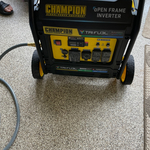
This is a Tri Fuel Inverter Generator with a 30 Amp Plug for Output.  Be sure your Generator has a Total Harmonic Distortion (THD) 10% or less (very Important).
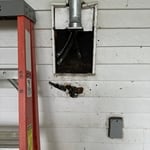
50 Amp Generator Inlet
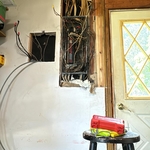
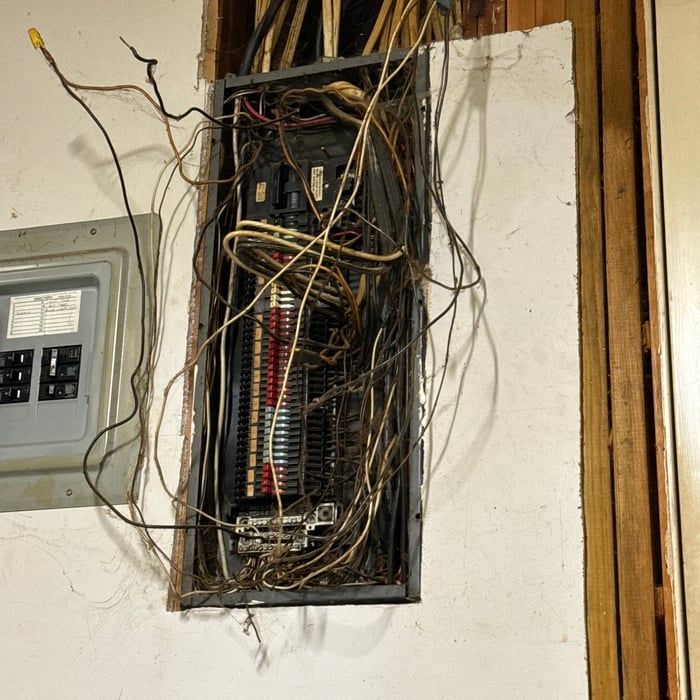
New Electrical Panel installed.  2020 NEC compliant with AFCI/GFCI and AFCI circuit breakers for all single pole branch circuits.  We also upgraded the Residence with a Dedicated Refrigerator Circuit, AC window unit circuit, and an additional counter top circuit.  The Customer requested OSB to replace all damage interior surfaces and everything is insulated.  We helped this customer from fire to restoration with our services.
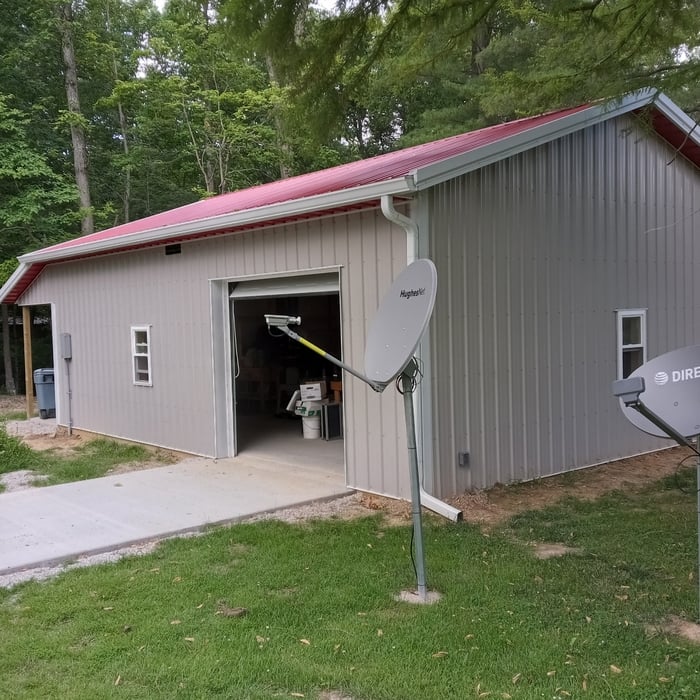
New Forever Building with new electrical installed.  100 Amp Feeder from house.

+46

Recommended by100%of homeowners
Avatar for Griffin Handyman and Construction
Griffin Handyman and Construction
4.9(
9
)

Serving Chrisman, IL and surrounding areas

In business since 2018

Free estimates

"Excellent service w attention to detail and consideration for me as the customer . He did all the clean up and hauled any trash away. I will call Mr Griffin again for any jobs I may have at my home . He was polite and did a very nice job for me"
christmas
Response time5 hrs
Response rate91%
Recommended by100%of homeowners
Generator Install questions, answered by experts

Whole-house generators need to be installed on level ground several feet away from walls and other objects. Because they tap into the electrical system directly, they usually need to be close to your home electrical panel for a transfer switch installation. It also helps with installation if they are near to a gas line or propane tank installation.

It might seem counterintuitive, but installing a generator transfer switch will save you money in the long run. While you’ll have to pay between $400 and $2,500 to have the transfer switch installed, you’ll recoup that amount later on when you don’t have to pay for expensive repairs to your appliances, devices, and electrical system that may have burned out, overloaded, or stopped working due to a sudden loss of power or an incorrect hook up of a generator to your home

In many cases, yes. There are models called dual-fuel generators and fuel switches, but only between certain types of fuel. For example, with the right setup you can convert a generator from natural gas to propane. Some allow switching between diesel and gasoline. There are even tri-fuel generators available in some cases, which adds a large layer of security if you are worried about fuel availability in times of crisis. Always check your generator capabilities and manual instructions before trying to switch fuels. Some generators can use another fuel but may need a fuel conversion kit to prep them first.

While diesel is relatively stable, it won’t last nearly as long as propane and you may have to replace it if it sits unused for too long. Diesel can sometimes struggle to work efficiently or start engines during especially cold weather, so it’s not the best choice for every climate. Compared to fuels like propane and natural gas, diesel generators tend to be noisier and create more exhaust, which isn’t always ideal for home use.

Sizing a generator is a careful process that requires calculating the electrical load of your entire house. You have to take into account every device you want to use and their wattage requirements, plus the wattage needed to start them, and look for a generator that can safely run all that at around 80% capacity.

In more practical terms, a small home can run on a 10,000-watt generator (and if you only want to power a few key appliances, much less than that). A mid-sized home may need something between 15,000 and 22,000 watts. Larger homes require 25,000 watts or more. 

The Chrisman, IL homeowners’ guide to generator installs

From average costs to expert advice, get all the answers you need to get your job done.