







Top-rated bird control service pros.

Get matched with top bird control service pros in Carlyle, IL

Enter your zip and get matched with up to 5 pros

Need a pro for your bird control service project in Carlyle, IL?

Select your specific project to find the pro for you.

Find Bird control service pros in Carlyle

Avatar for Terminix® Pest Control
Terminix® Pest Control
4.0(
1
)

Serving Carlyle, IL and surrounding areas

Approved

In business since 1927

Free estimates

Warranties offered

"Very knowledgeable guy who seem to know what he’s doing. Don’t know results of spraying. Have had much rain since. Will have to see if it worked. Terminex will spray again the beginning of next month."
My jobs
My jobs
My jobs
My jobs
My jobs

+2

37 neighbors recently requested a quote
Avatar for Triple B Pest insulation & services
Triple B Pest insulation & services
4.6(
11
)

Serving Carlyle, IL and surrounding areas

In business since 2022

Free estimates

Credit card accepted

"I honestly can’t say enough good things about Triple B Pest! They were very professional, easy to work with, quick to respond, as well as informative and affordable! I couldn’t have asked for better services and I would definitely recommend this company to other customers!"
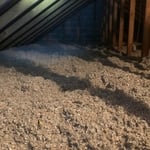
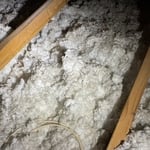
Pest infused insulation
Before removal
Before removal
After removal and sanitation
Insulation removal & sanitation

+1

Recommended by90%of homeowners
Avatar for Presto-X (St. Louis)
Presto-X (St. Louis)
New to Angi

Serving Carlyle, IL and surrounding areas

In business since 1932

Free estimates

Credit card accepted

Since 1932, Presto-X (formerly Anderson Pest Solutions) has been providing expert pest control services guided by the enduring principles of providing world class service to our customers and taking care of our colleagues. Presto-X covers your home or business with expert knowledge, professionally licensed and trained technicians, and exemplary service designed specifically for you.

Bird Control questions, answered by experts

Finding a dead bat in your home can be frightening, even during spooky season. The United States Department of Interior states that if you find a dead bat, take these steps:

  • Contact your state wildlife agency to report the finding

  • Photograph the bat safely to help the wildlife agency determine the species

  • Use disposable gloves to place the bat into a plastic bag, making sure to spray with disinfectant and close the bag securely 

  • Thoroughly clean your hands and any clothing that came into contact with the bat

If you see one dead bat, you might have a large bat infestation that needs to be treated immediately. Call a local pest control company to properly inspect your home for other bats.

Woodpeckers peck at the break of dawn and take a break whenever the sun is not shining. On sunny days, expect pecking from dawn to dusk. On cloudy days, expect sporadic pecking when the sun peeks through. These birds are most active in the spring; you’ll hear them drumming as soon as the weather turns warm. 

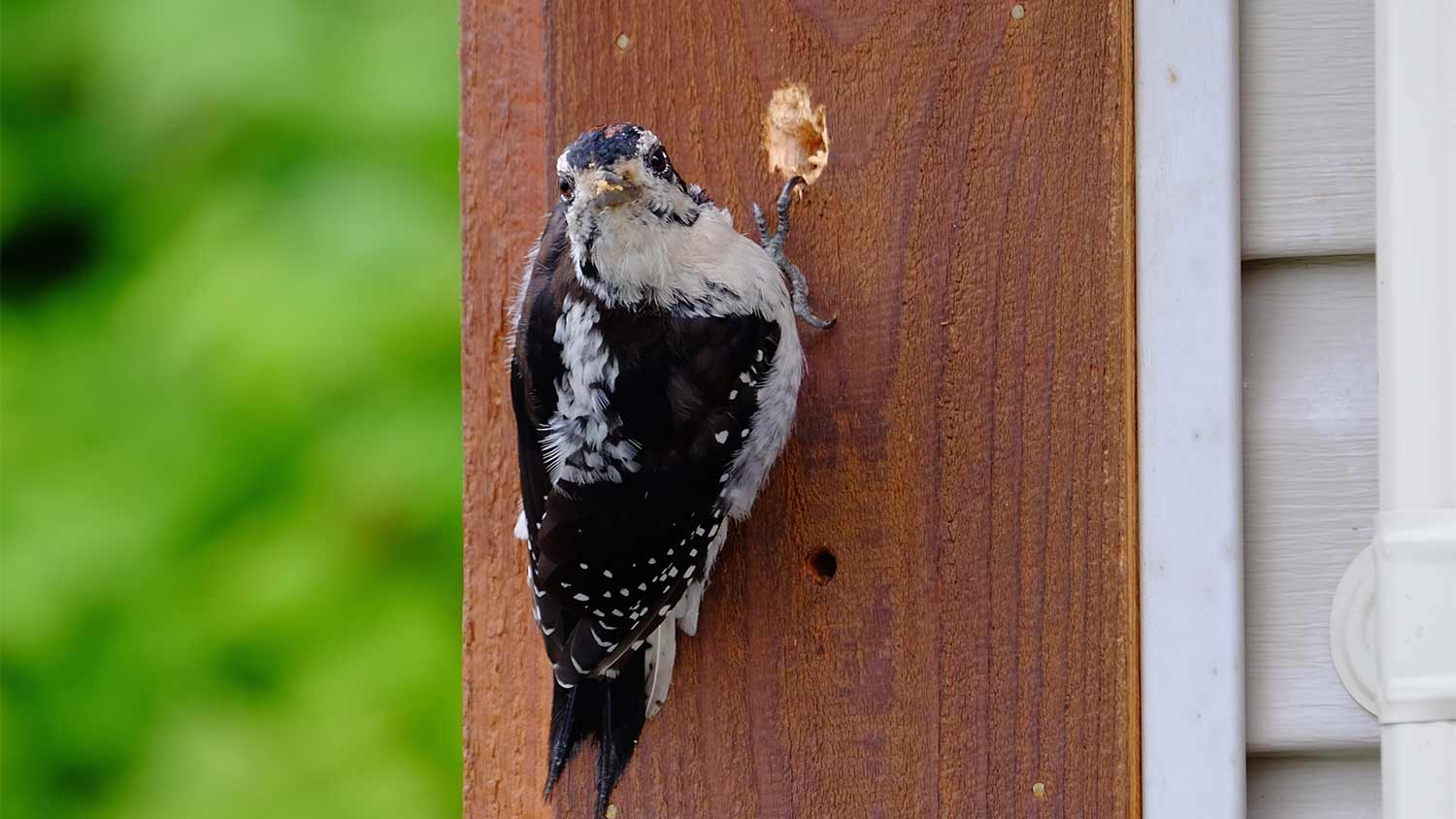
When woodpeckers start banging on your walls or roof, they are probably looking for insects to eat, storing nuts for winter, drilling a hole to make a nest, or communicating with other birds to establish territory or find a mate.

The size of the hole can help determine the reason for the pecking. Small irregular holes are a result of insect hunts. Acorn holes are more consistently sized and often fitted with a nut in the middle. Nest holes are large and have rounded edges. If the bird is pecking to mark its territory or attract a mate, it may leave dents rather than holes, and the noise will stop when the mating season starts in spring.

Hawk attacks on pets are rare, and they won’t target animals that outweigh them. Hawks typically weigh between one and three pounds. That means you don’t need to worry if you have a Labrador Retriever or French Bulldog. However, small cats and toy breed dogs, like Chihuahuas, are at risk. Pet attacks are more likely in winter when food is scarce or in the early summer when inexperienced young hawks are honing their hunting skills.

Trees that provide a habitat to bats and an abundance of bugs—their main food source—will attract bats to your yard. Because the North American landscape has changed so much in recent years, bats have a harder time finding trees with cavities to shelter in. If your yard has a dead or dying tree with a lot of sun exposure, bats will likely be drawn to it because trees with those features are less common.

The Carlyle, IL homeowners’ guide to bird control services

From average costs to expert advice, get all the answers you need to get your job done.