


Top-rated generator install pros.

Get matched with top generator install pros in Byron, IL

Enter your zip and get matched with up to 5 pros

Need a pro for your generator install project in Byron, IL?

Select your specific project to find the pro for you.

Find Generator install pros in Byron

Avatar for Tri-State Water, Power & Air
Tri-State Water, Power & Air
5.0(
5
)

Serving Byron, IL and surrounding areas

Approved (Corporate)

In business since 1992

Free estimates

Emergency services offered

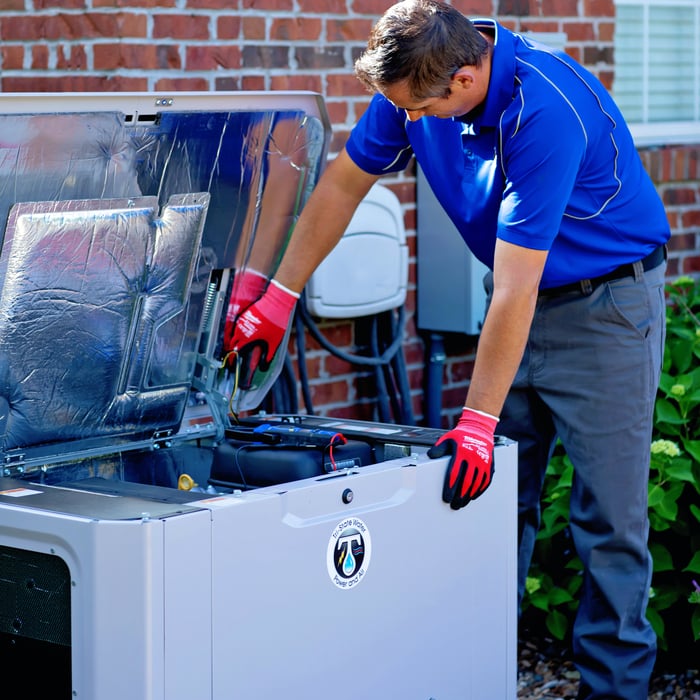
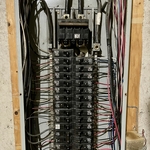
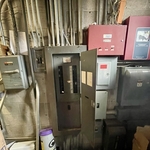
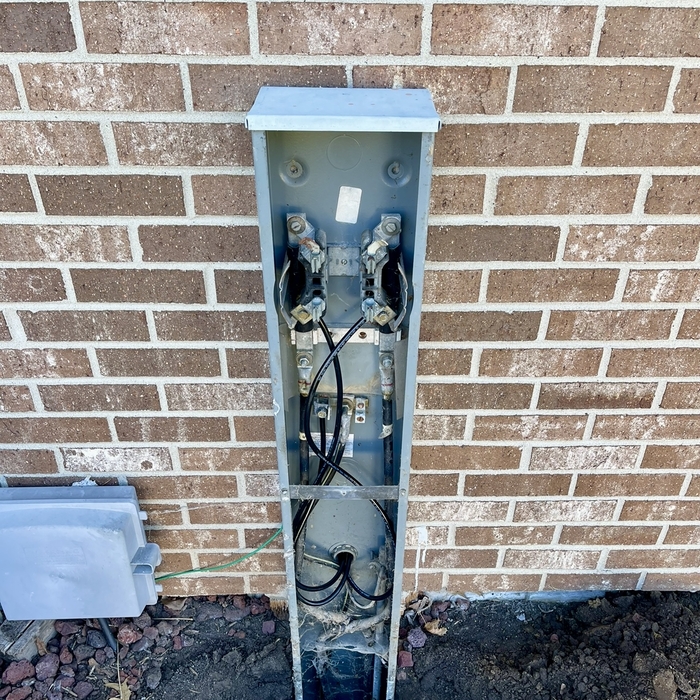
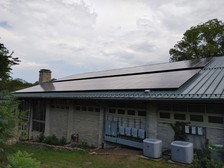
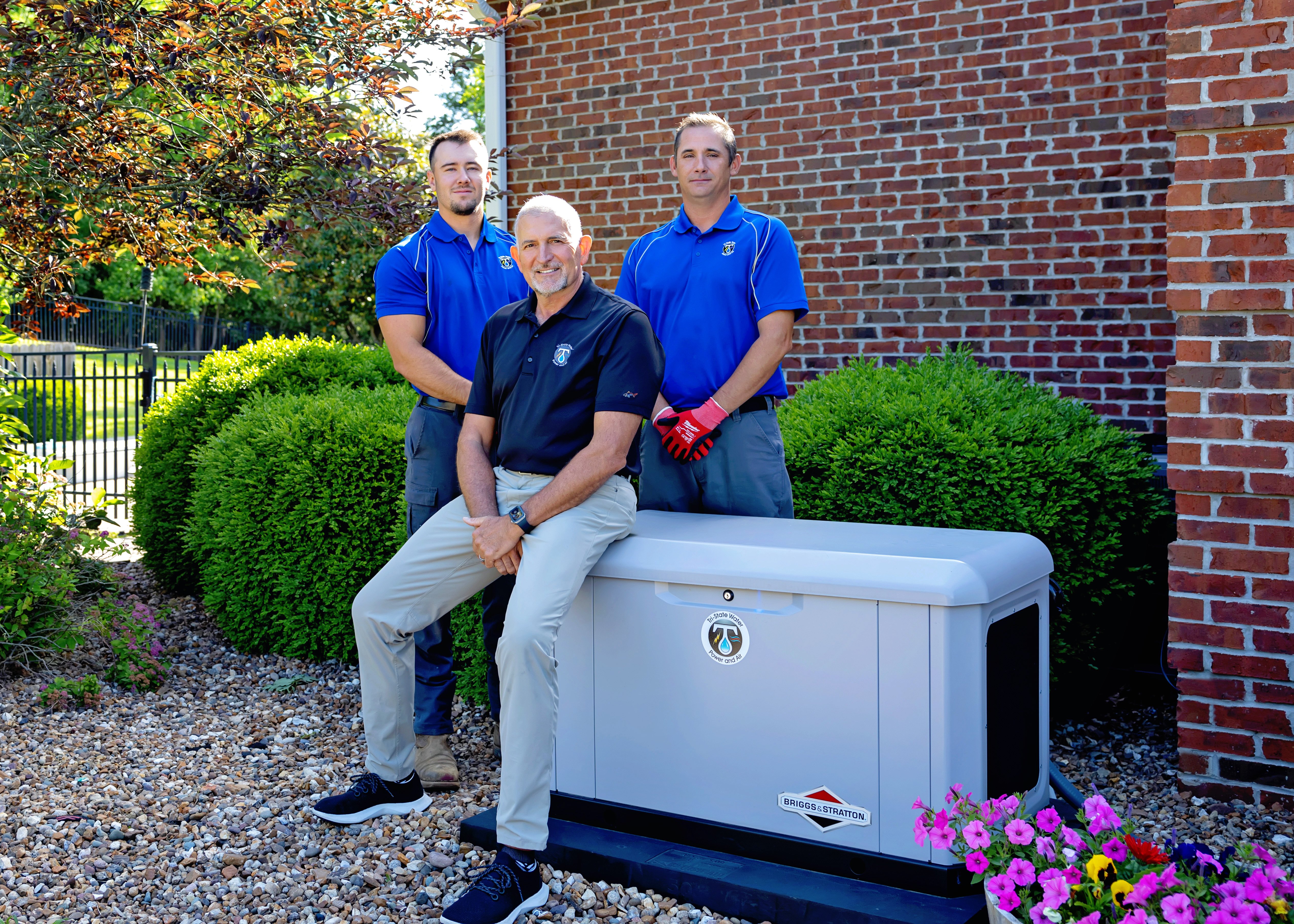
We are the experts in the field of Whole Home Generator Sales and Installation, with over 20 years of experience in the game.\nWe provide turn-key installation by licensed professionals - 24 hour emergency service - Remote Monitoring - Long term maintenance and service by factory trained technicians.
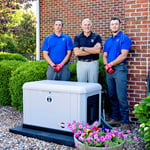
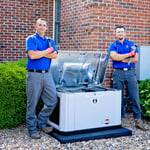
Additional Photos
Additional Photos
Additional Photos
Additional Photos
Additional Photos

+3

48 neighbors recently requested a quote

The Electric Guys LLC
5.0(
6
)

Serving Byron, IL and surrounding areas

Approved

In business since 2023

Free estimates

Credit card accepted

"I first asked for a quote back in February of 2024. When I received the quote I decided to wait on this project. Then we lost power for 2 days due to a storm. I then decided it was time and contacted the contractor again. He sent me an updated quote and the project was scheduled. It's now installed and I'm very happy with how it turned out. Hopefully it will be a long time before we need to use the generator because we lose our power. But we are ready when it happens. I will definitely use this company again for any electrical jobs that come up. Andrew and his crew were great."
Response time1 day
Recommended by100%of homeowners
Avatar for Amg Power
Amg Power
New to Angi

Serving Byron, IL and surrounding areas

Approved

Emergency services offered

Small jobs welcome

Credit card accepted

AMG Power delivers expert residential electrical services backed by 25+ years of experience from our roots in Trak Electric. From panel upgrades and lighting to troubleshooting and remodels, we provide safe, reliable, and high-quality work you can trust.

Avatar for C and C Electrical Services
C and C Electrical Services
4.8(
23
)

Serving Byron, IL and surrounding areas

In business since 2020

Free estimates

Emergency services offered

"We hired C&C to inspect our electric panel and wiring as our ComEd bill has been extremely out of control. Chris was nothing less than awesome. He was very pleasant and knowledgeable, and explained everything he was doing and even fixed a minor issue during the inspection. We can't thank you enough, Chris! We will definitely be using C&C for any future electrical needs."
Response time1 day
Response rate85%
Recommended by59%of homeowners
Showing 1-10 of 12
Generator Install questions, answered by experts

In many cases, yes. There are models called dual-fuel generators and fuel switches, but only between certain types of fuel. For example, with the right setup you can convert a generator from natural gas to propane. Some allow switching between diesel and gasoline. There are even tri-fuel generators available in some cases, which adds a large layer of security if you are worried about fuel availability in times of crisis. Always check your generator capabilities and manual instructions before trying to switch fuels. Some generators can use another fuel but may need a fuel conversion kit to prep them first.

To determine the right size generator for your house, you should calculate the total wattage of the appliances and devices you want to power during an outage. List all essential items, note their start-up wattages, and add them together.

Here are some typical wattage requirements for common appliances:

  • Refrigerator: 600 watts

  • Large dehumidifier: 700 watts

  • Large window air conditioner: 1,400 watts

  • Water heater: 3,000 to 4,500 watts

  • Electric furnace: 5,000 to 25,000 watts

A 7,500-watt generator might be sufficient for essentials like a refrigerator, freezer, well pump, and lighting circuits. However, for high-demand items like a water heater or furnace, a whole-home generator is a better choice. A portable generator may be enough if you only need to power a few critical items.

While home square footage can offer a rough estimate, it is not always a reliable indicator. For reference, here are some typical generator sizes based on square footage:

  • 1,000 sq ft: 6–9 kW

  • 1,500 sq ft: 7–10 kW

  • 2,000 sq ft: 10–14 kW

  • 2,500 sq ft: 12–16 kW

  • 3,000 sq ft: 16–20 kW+

For the most accurate sizing, consult a professional who can calculate your home's peak and average power consumption and recommend the optimal generator.

Generators are safe to use as long as they are installed and operated correctly according to the manufacturer's recommendations. The most critical safety tips are to never use a portable or fuel-powered generator inside an enclosed space due to the risk of lethal carbon monoxide poisoning; always operate it outdoors where fumes can dissipate away from your home. Additionally, never attempt to connect a generator to your home’s electrical panel yourself—hire a professional to ensure the setup meets safety standards. Finally, avoid overloading the generator by not connecting more appliances than it is rated for, as this can damage your equipment or cause a fire.

To power a central air system during a power outage, the whole-house generator will need to be at least 5,000 watts, and this number will significantly increase for larger units. Check the specific wattage requirements of your AC unit to choose the right generator size. Consider consulting a generator installer to ensure your whole-house generator meets your electrical load needs.

Generally, you’ll want to keep between 60 and 70 feet between the generator and the transfer switch. There are a few reasons for this, including:

  • The distance reduces the noise coming from the generator into your home.

  • It increases efficiency because you won’t have a voltage drop from this short of a distance.

  • Prevents carbon monoxide poisoning: keep at least 15 feet between your generator and an open window. 

The Byron, IL homeowners’ guide to generator installs

From average costs to expert advice, get all the answers you need to get your job done.