





Top-rated drapery cleaners.

Get matched with top drapery cleaners in Riverside, ID

Enter your zip and get matched with up to 5 pros

Need a pro for your drapery cleaning project in Riverside, ID?

Select your specific project to find the pro for you.

Find Drapery cleaners in Riverside

Vazquez Handyman
New to Angi
Drapes or Curtains - CleanDrapes or Curtains - Clean - For Business

Serving Riverside, ID and surrounding areas

In business since 2020

Free estimates

Credit card accepted

We offer only the best in quality workmanship and professional courtesy. We specialize in all phases of commercial and residential landscaping. We are committed quality work and outstanding results & are strongly involved in local community activities. We look forward to working with you!

Response time1 day
Drapery Cleaning questions, answered by experts

First, ensure your clothes are clean before you pack them. When packing, make sure they’re folded and stored within the container with enough room to breathe. For extra protection, try using cedar chips or lavender sachets, which naturally repel bugs. Lastly, periodically checking in on your clothes will help you stay aware of their condition.

Most cleaning services take 2-5 days, allowing for thorough dry cleaning, steaming, or hand washing as needed.

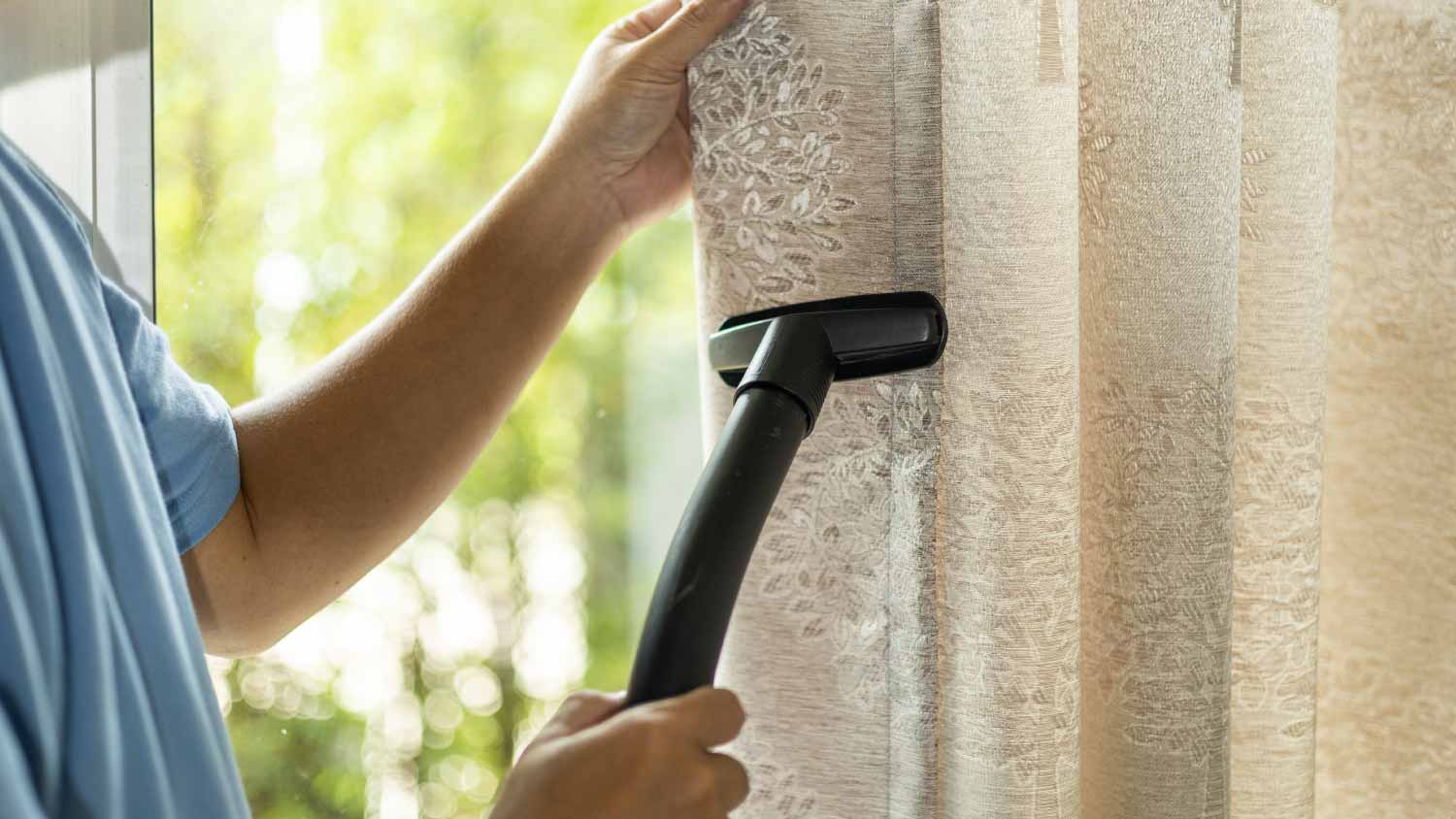
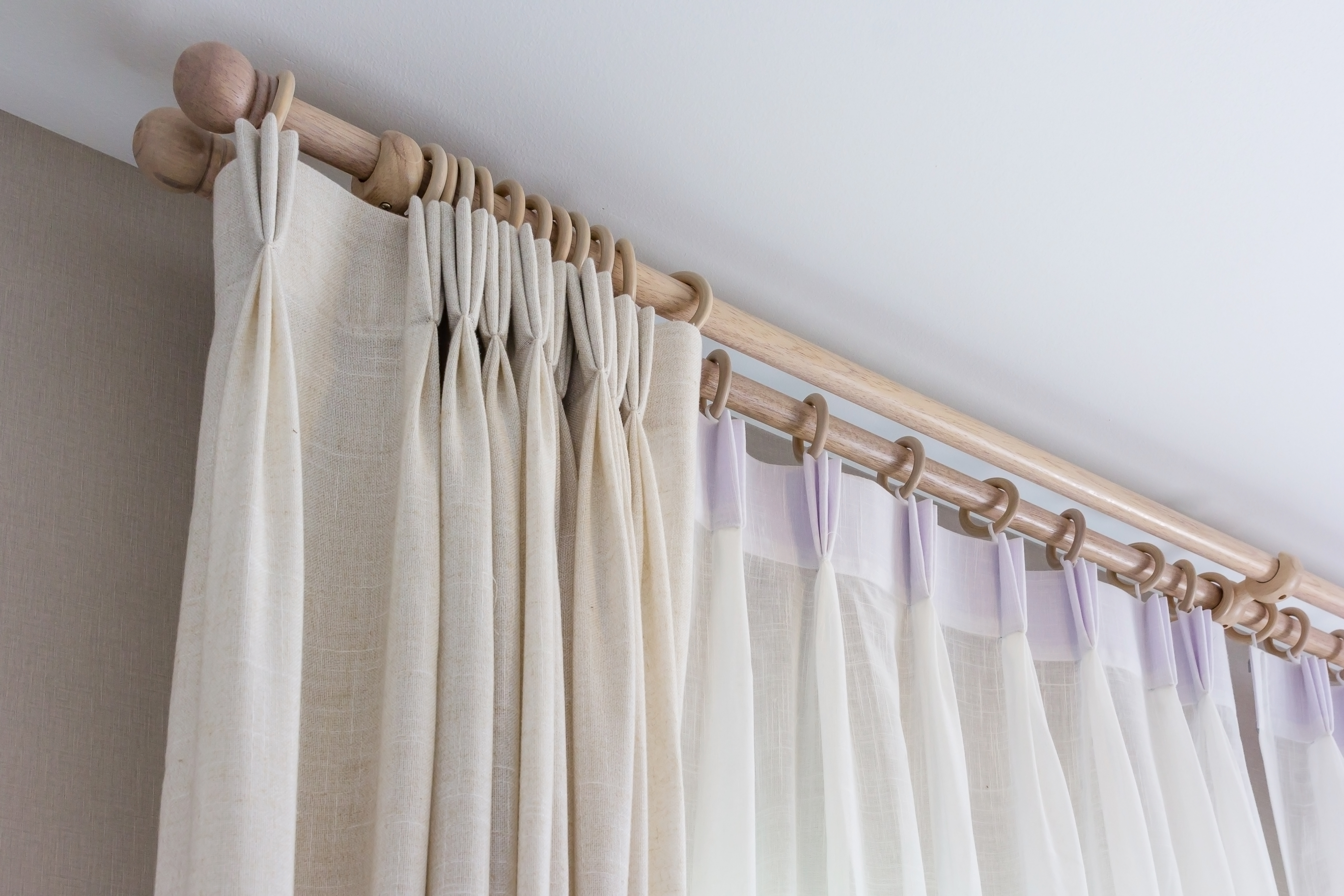
The recommended frequency for professionally cleaning drapes varies. As a general guideline, aim for every four to five years. However, you should consider more frequent cleanings in specific circumstances. For homes with pets, heavy soiling, or residents with severe allergies, cleaning every two to three years—or even two to four times per year—is beneficial. Light-colored drapes may need cleaning every one to two years to maintain their appearance. Some also follow a biannual schedule, cleaning in the spring to remove winter dust and in the fall to remove summer pollen. In between professional services, lightly vacuum your drapes with a special attachment to remove surface debris, but avoid abrasive brushes on delicate fabrics like silk and linen.

Anything that might have been exposed to fumigation chemicals should be washed before use. Wipe down and sanitize surfaces like countertops and tables, and wash all utensils (or take care to store them in an airtight box beforehand), as well as anything else that could find its way into someone’s mouth, like kid or pet toys. 

You should avoid using a pressure washer on any surface or item that could be damaged by the high-pressure spray, as some materials are too delicate to withstand the force.

Key items and surfaces to avoid include:

  • Electrical Components: Never pressure wash electrical systems, as water can cause short-circuits and create a safety hazard. This includes utility meters, breaker boxes, electrical outlets, generators, and HVAC or air conditioner units.

  • Delicate and Fragile Materials: Fragile items can crack, shatter, or be stripped by the pressure. Avoid pressure washing windows, glass, light fixtures, shingled roofs (especially asphalt), and stucco.

  • Painted, Stained, or Sealed Surfaces: Unless your goal is to strip the finish, do not pressure wash painted surfaces, stained wood (like decks), or anything with a protective seal that could be stripped away. Be especially cautious with older surfaces that may contain lead paint.

  • Soft Woods and Certain Decking: Delicate surfaces like softwood, composite decking, and antique or wooden patio furniture can be etched or damaged. If you must wash wood, use a lower-powered pressure washer with a wide-angle nozzle to prevent damage.

  • Living Things: Never use a pressure washer on people, pets, or plants. The force can cause serious injury and will destroy landscaping.

The Riverside, ID homeowners’ guide to drapery cleaning services

From average costs to expert advice, get all the answers you need to get your job done.